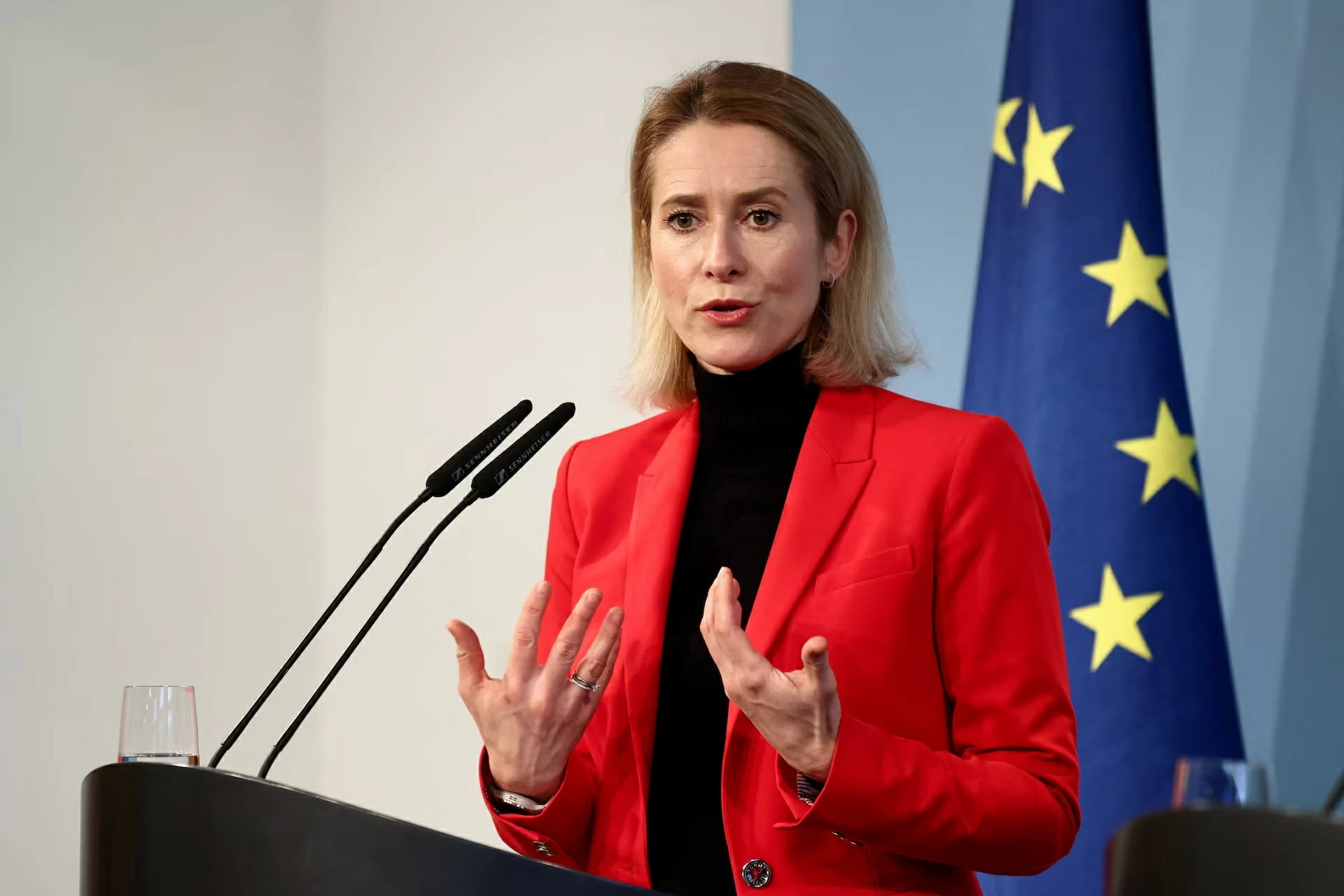
كشفت مسؤولة السياسة الخارجية والأمن في الاتحاد الأوروبي كايا كالاس، أن المساعي الدبلوماسية الجارية لم تنجح حتى الآن في تحقيق اختراق بشأن أزمة مضيق هرمز، مؤكدة أن حرية الملاحة عبر الممرات البحرية التي كانت مفتوحة في السابق تمثل أولوية بالنسبة للاتحاد الأوروبي.
وشددت كالاس قبيل اجتماع وزراء الدفاع الأوروبيين في أيرلندا، اليوم (الثلاثاء)، على وجوب استعادة حرية الملاحة، حيث لا تزال الجهود الدبلوماسية جارية، لكنها لم تحرز بعد أي نتيجة.
وجددت التأكيد على أن الاتحاد الأوروبي يرفض فرض أية رسوم عبور أو إتاوات على هذه الطرق البحرية، مشيرة إلى أن حرية الملاحة وأمن حركة السفن يمثلان جزءاً أساسياً من أولويات الأمن البحري الأوروبي.
وتأتي تصريحات المسؤولة الأوروبية في وقت لا يزال مضيق هرمز الإستراتيجي يشكّل نقطة النزاع الرئيسية في الحرب الدائرة بين إيران والولايات المتحدة، فيما استأنف الجانبان الاثنين تبادل إطلاق النار عقب أكثر من شهر من الهدوء النسبي.
وتواصل طهران إغلاق الممر المائي، مع تأكيدها استعدادها للعودة إلى التزاماتها بموجب مذكرة التفاهم، إذا أقدمت الولايات المتحدة على الخطوة نفسها، إذ قال الرئيس الإيراني مسعود بيزشكيان الثلاثاء إن طهران ستعود «فوراً» إلى التزاماتها بموجب مذكرة التفاهم التي وقعتها في يونيو مع الولايات المتحدة في حال التزمت واشنطن الاتفاق الهادف إلى إنهاء الحرب.
وقال بيزشكيان خلال قمة منظمة شنغهاي للتعاون التي تستضيفها قرغيزستان «أُعلن صراحة أن طهران، في حال عادت الولايات المتحدة إلى التزاماتها بموجب مذكرة التفاهم (...)، ستتخذ فوراً إجراءات مماثلة»، وفق ما نقله موقع الرئاسة.
وأفضت الجهود الدبلوماسية بين واشنطن وطهران إلى وقف لإطلاق النار في أبريل، تلاه في منتصف يونيو توقيع مذكرة تفاهم كان يفترض أن تمهّد لمحادثات بهدف التوصل إلى اتفاق نهائي، لكنها انهارت مع استئناف الطرفين الأعمال الحربية لفترة وجيزة في مطلع يوليو، فيما أعلنت واشنطن أخيرا «حرباً اقتصادية لم يسبق لها مثيل» على طهران.
The European Union's foreign and security policy chief, Josep Borrell, revealed that ongoing diplomatic efforts have not yet succeeded in making a breakthrough regarding the Strait of Hormuz crisis, emphasizing that freedom of navigation through previously open maritime corridors is a priority for the European Union.
Kalash stressed before the meeting of European defense ministers in Ireland today (Tuesday) the necessity of restoring freedom of navigation, noting that diplomatic efforts are still ongoing but have not yet yielded any results.
She reiterated that the European Union rejects the imposition of any transit fees or tolls on these maritime routes, pointing out that freedom of navigation and the security of ship movements are essential parts of European maritime security priorities.
The European official's statements come at a time when the strategic Strait of Hormuz remains the main point of contention in the ongoing war between Iran and the United States, as both sides resumed exchanging fire on Monday after more than a month of relative calm.
Tehran continues to close the waterway, asserting its readiness to return to its commitments under the memorandum of understanding if the United States takes the same step. Iranian President Masoud Pezeshkian stated on Tuesday that Tehran would return "immediately" to its commitments under the memorandum of understanding signed with the United States in June if Washington adheres to the agreement aimed at ending the war.
Pezeshkian said during the Shanghai Cooperation Organization summit hosted by Kyrgyzstan, "I declare clearly that Tehran, if the United States returns to its commitments under the memorandum of understanding (...), will take similar actions immediately," according to the presidency's website.
Diplomatic efforts between Washington and Tehran led to a ceasefire in April, followed by the signing of a memorandum of understanding in mid-June that was supposed to pave the way for talks aimed at reaching a final agreement, but it collapsed with both sides briefly resuming hostilities in early July, while Washington recently declared an "unprecedented economic war" on Tehran.