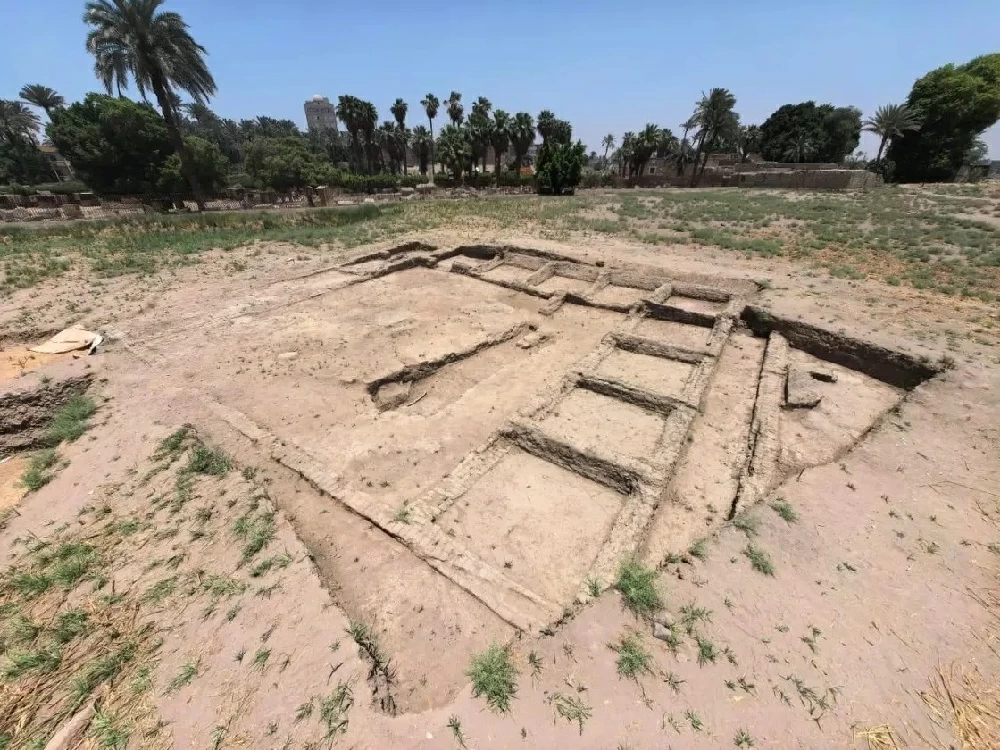
كشفت البعثة الأثرية المصرية الصينية المشتركة، بين المجلس الأعلى للآثار ومتحف شنغهاي في الصين، عن مجموعة مهمة من اللُقى والعناصر الأثرية خلال أعمال الحفائر بموقع معبد سخمت في ميت رهينة التابعة لمركز البدرشين في محافظة الجيزة، بما يلقي مزيدًا من الضوء على تاريخ المنطقة وطبيعة الحياة فيها خلال عصور مختلفة.
وأعرب وزير السياحة والآثار، شريف فتحي، عن سعادته بالتعاون الأثري بين مصر والصين؛ باعتبارهما من أقدم الحضارات في التاريخ، مؤكدًا أن هذا التعاون يمثل أحد أوجه الشراكة بين البلدين في مجال الآثار، إلى جانب عدد من المشروعات والبعثات المصرية الصينية المشتركة.
مجمع سكني ومعصرة للنبيذ
وأوضح الأمين العام للمجلس الأعلى للآثار، الدكتور هشام الليثي، أن البعثة بدأت أعمالها بتنظيف وتوثيق معبد سخمت، الذي يمثل جزءًا من مجمع معبد بتاح الكبير، كما أجرت حفائر في المناطق المحيطة به للكشف عن معالم الموقع وفهم طبيعة استخدامه عبر العصور.
ومن أبرز المكتشفات بقايا مجمع سكني من الطوب اللبن، إلى جانب كتل حجرية وأجزاء من تماثيل يُرجح أن بعضها كان جزءًا من معبد بتاح الكبير، المعبد الرئيسي لمدينة منف القديمة، والذي كان معبد سخمت أحد مكوناته.
وفي المنطقة الواقعة شرق المعبد، عثرت البعثة على عنصر معماري من الحجر الجيري يُرجح استخدامه كمعصرة للنبيذ، ويتكون من حوض علوي ينحدر جنوبًا نحو فتحة مركزية، وحوض تجميع سفلي، مع فتحات مخصصة لتثبيت الأمفورات المستخدمة في ملء السائل، كما عُثر داخل العنصر على بعض بذور العنب، وهو ما يدعم تفسيره باعتباره معصرة للنبيذ.
آثار من عصر رمسيس الثاني
كما أسفرت الحفائر عن مجموعة متنوعة من اللقى، بينها كتل حجرية وأجزاء من تماثيل يعود معظمها إلى عصر الدولة الحديثة، لا سيما عهد الملك رمسيس الثاني.
وصُنعت هذه العناصر من أحجار مختلفة، بينها الحجر الجيري والجرانيت الأحمر والشست، إلى جانب بقايا فخارية، وتمائم من الفيانس، وتماثيل صغيرة من التراكوتا والحجر الجيري، وأوستراكات، ولوحات نذرية وغيرها من المكتشفات.
وقال رئيس قطاع الآثار المصرية بالمجلس الأعلى للآثار، محمد عبد البديع: إن هذه المكتشفات تشير إلى استمرار الاستيطان البشري في المنطقة منذ عصر الانتقال الثالث والعصر المتأخر، مرورًا بالعصر البطلمي وحتى العصر اليوناني الروماني.
وتكشف النتائج عن استمرار الحياة في منف القديمة حتى بعد تراجع دور المعبد باعتباره مركزًا دينيًا رئيسيًا، وتحول المنطقة إلى حي سكني.
عودة الحفائر بعد أكثر من 60 عامًا
وتواصل البعثة المصرية الصينية أعمالها خلال المواسم المقبلة، برئاسة المشرفة على الشؤون العلمية بالأمانة العامة للمجلس الأعلى للآثار، الدكتورة ريهام زكي، ونائب مدير متحف شنغهاي، الدكتور شين جيه (Chen Jie)، بمشاركة فريق مصري صيني مشترك.
وتهدف الأعمال المقبلة إلى استكمال الكشف الأثري والتوثيق المعماري لمعبد سخمت والمنطقة المحيطة به، للوصول إلى مزيد من التفاصيل حول المعبد وطبيعة الاستيطان البشري في هذه المنطقة المهمة من مدينة منف القديمة.
قصة اكتشاف معبد سخمت
ويرجع اكتشاف معبد سخمت إلى عام 1959، عندما ظهرت بقايا المعبد بالمصادفة أثناء أعمال بناء أحد المنازل في المنطقة.
وبعد ذلك، أجرى مفتش الآثار المصرية، محمد عبد التواب الحتة، أعمال تنقيب بالموقع خلال موسم واحد بين عامي 1961 و1962، وفي عام 2015، جرى توثيق العناصر الأثرية الظاهرة على سطح الموقع ضمن مشروع إدارة موقع ومجتمع منف القديمة.
ثم عادت البعثة المصرية الصينية لإجراء الحفائر في المعبد والمنطقة المحيطة به للمرة الأولى منذ عام 1962، بالتوازي مع استكمال أعمال التوثيق المعماري، بهدف تكوين صورة أكثر شمولًا عن طبيعة المنطقة وسكانها وتطور استخدامها عبر العصور.
The joint Egyptian-Chinese archaeological mission, between the Supreme Council of Antiquities and the Shanghai Museum in China, has revealed an important collection of artifacts and archaeological elements during excavation work at the site of the Sekhmet Temple in Mit Rahina, part of the Badrashin Center in Giza Governorate, shedding more light on the history of the area and the nature of life there during different eras.
Tourism and Antiquities Minister Sherif Fathy expressed his happiness with the archaeological cooperation between Egypt and China, considering them among the oldest civilizations in history, emphasizing that this cooperation represents one aspect of the partnership between the two countries in the field of antiquities, alongside several joint Egyptian-Chinese projects and missions.
Residential Complex and Wine Press
The Secretary-General of the Supreme Council of Antiquities, Dr. Hisham El-Leithy, explained that the mission began its work by cleaning and documenting the Sekhmet Temple, which is part of the larger Ptah Temple complex. Excavations were also conducted in the surrounding areas to uncover the site's features and understand its usage over the ages.
Among the most notable discoveries are the remains of a residential complex made of mud bricks, along with stone blocks and parts of statues, some of which are believed to have been part of the great Ptah Temple, the main temple of ancient Memphis, of which the Sekhmet Temple was one component.
In the area east of the temple, the mission found an architectural element made of limestone, believed to have been used as a wine press, consisting of an upper basin sloping southward towards a central opening, and a lower collection basin, with openings designated for securing the amphorae used to fill the liquid. Some grape seeds were also found inside the element, supporting its interpretation as a wine press.
Artifacts from the Reign of Ramses II
The excavations also yielded a diverse collection of finds, including stone blocks and parts of statues, most of which date back to the New Kingdom, particularly the reign of King Ramses II.
These elements were made from various stones, including limestone, red granite, and schist, alongside pottery remains, faience amulets, small statues made of terracotta and limestone, ostraca, votive tablets, and other discoveries.
Mohamed Abdel Badi, head of the Egyptian Antiquities Sector at the Supreme Council of Antiquities, stated that these discoveries indicate the continuity of human settlement in the area since the Third Intermediate Period and the Late Period, through the Ptolemaic era and into the Greco-Roman period.
The findings reveal that life in ancient Memphis continued even after the decline of the temple's role as a major religious center, transforming the area into a residential neighborhood.
Return of Excavations After More Than 60 Years
The Egyptian-Chinese mission will continue its work in the upcoming seasons, led by the supervisor of scientific affairs at the Supreme Council of Antiquities, Dr. Riham Zaki, and the Deputy Director of the Shanghai Museum, Dr. Chen Jie, with the participation of a joint Egyptian-Chinese team.
The upcoming work aims to complete the archaeological discovery and architectural documentation of the Sekhmet Temple and its surrounding area, to reach more details about the temple and the nature of human settlement in this important area of ancient Memphis.
The Story of the Discovery of the Sekhmet Temple
The discovery of the Sekhmet Temple dates back to 1959, when the remains of the temple appeared by chance during the construction of one of the houses in the area.
Subsequently, the Egyptian antiquities inspector, Mohamed Abdel Tawab El-Hatta, conducted excavation work at the site during one season between 1961 and 1962. In 2015, the visible archaeological elements on the surface of the site were documented as part of the management project for the site and community of ancient Memphis.
Then, the Egyptian-Chinese mission returned to conduct excavations at the temple and the surrounding area for the first time since 1962, alongside completing architectural documentation work, aiming to create a more comprehensive picture of the nature of the area, its inhabitants, and the evolution of its use over the ages.