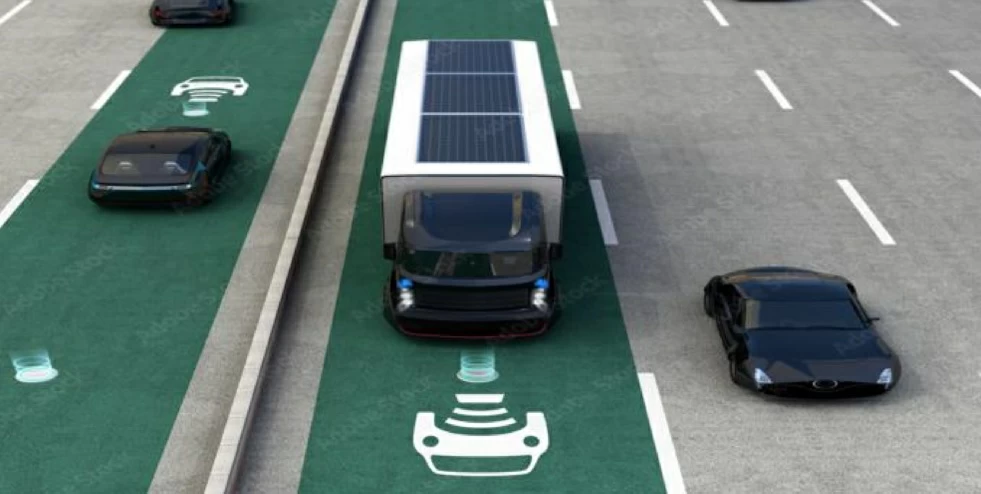
تتجه صناعة النقل الكهربائي نحو تحول نوعي قد يعيد تعريف مفهوم شحن السيارات، مع بروز تقنيات جديدة تجعل الطرق نفسها مصدرًا للطاقة. فبدل الاعتماد على محطات الشحن التقليدية أو بطاريات ضخمة، تعمل شركات عالمية على تطوير ما يعرف بـ(الأسفلت الذكي)، وهو نظام قادر على تزويد المركبات الكهربائية بالطاقة أثناء سيرها.
وتعتمد هذه التقنية على الشحن اللاسلكي الديناميكي، حيث تُدمج وحدات خاصة تحت سطح الطريق لتوليد مجال مغناطيسي ينقل الكهرباء مباشرة إلى مستقبلات مثبتة أسفل المركبة. وبمجرد مرور السيارة فوق هذه الوحدات، تبدأ عملية الشحن تلقائيًا دون توقف أو استخدام كابلات، ما يسمح بتغذية المحرك أو إعادة شحن البطارية خلال القيادة.
ولا يتطلب تطبيق النظام تحويل جميع الطرق إلى بنية شحن، إذ يمكن تخصيص مسارات محددة في الطرق السريعة أو داخل المدن، خصوصًا تلك التي تشهد حركة متكررة للحافلات وسيارات الأجرة والمركبات التجارية.
ويُتوقع أن تسهم هذه الطرق الذكية في تقليل «قلق المدى» الذي يعاني منه مستخدمو السيارات الكهربائية، عبر توفير شحن مستمر يقلل الحاجة إلى التوقف في المحطات، ويفتح الباب أمام تصميم بطاريات أصغر وأخف وزنًا، ما ينعكس على كفاءة المركبات وتكلفة تصنيعها.
ورغم الإمكانات الكبيرة، تواجه التقنية تحديات تتعلق بتكلفة البنية التحتية، والحاجة إلى معايير موحدة تضمن توافق المركبات مع أنظمة الشحن، إضافة إلى ضرورة تعاون واسع بين الحكومات وشركات السيارات ومطوري التكنولوجيا.
ومع تسارع التحول العالمي نحو النقل الكهربائي، يرى خبراء أن الطرق القادرة على شحن المركبات قد تصبح جزءًا أساسيًا من منظومة التنقل المستقبلية، ليصبح السؤال الأهم ليس «أين محطة الشحن؟» بل «هل الطريق الذي تسلكه قادر على شحن سيارتك؟».
The electric transportation industry is heading towards a qualitative transformation that could redefine the concept of charging cars, with the emergence of new technologies that make the roads themselves a source of energy. Instead of relying on traditional charging stations or massive batteries, global companies are working on developing what is known as "smart asphalt," a system capable of supplying electric vehicles with power while they are in motion.
This technology relies on dynamic wireless charging, where special units are integrated beneath the road surface to generate a magnetic field that transmits electricity directly to receivers installed under the vehicle. Once the car passes over these units, the charging process begins automatically without stopping or using cables, allowing for the engine to be powered or the battery to be recharged while driving.
The implementation of the system does not require converting all roads into charging infrastructure; specific lanes can be designated on highways or within cities, especially those that experience frequent traffic from buses, taxis, and commercial vehicles.
These smart roads are expected to help reduce the "range anxiety" experienced by electric vehicle users by providing continuous charging that minimizes the need to stop at stations, and opens the door to designing smaller and lighter batteries, which reflects on the efficiency of vehicles and their manufacturing costs.
Despite the significant potential, the technology faces challenges related to infrastructure costs, the need for standardized regulations to ensure vehicle compatibility with charging systems, and the necessity for extensive collaboration between governments, car manufacturers, and technology developers.
As the global shift towards electric transportation accelerates, experts believe that roads capable of charging vehicles may become an essential part of the future mobility ecosystem, making the most important question not "Where is the charging station?" but "Is the road you are on capable of charging your car?".