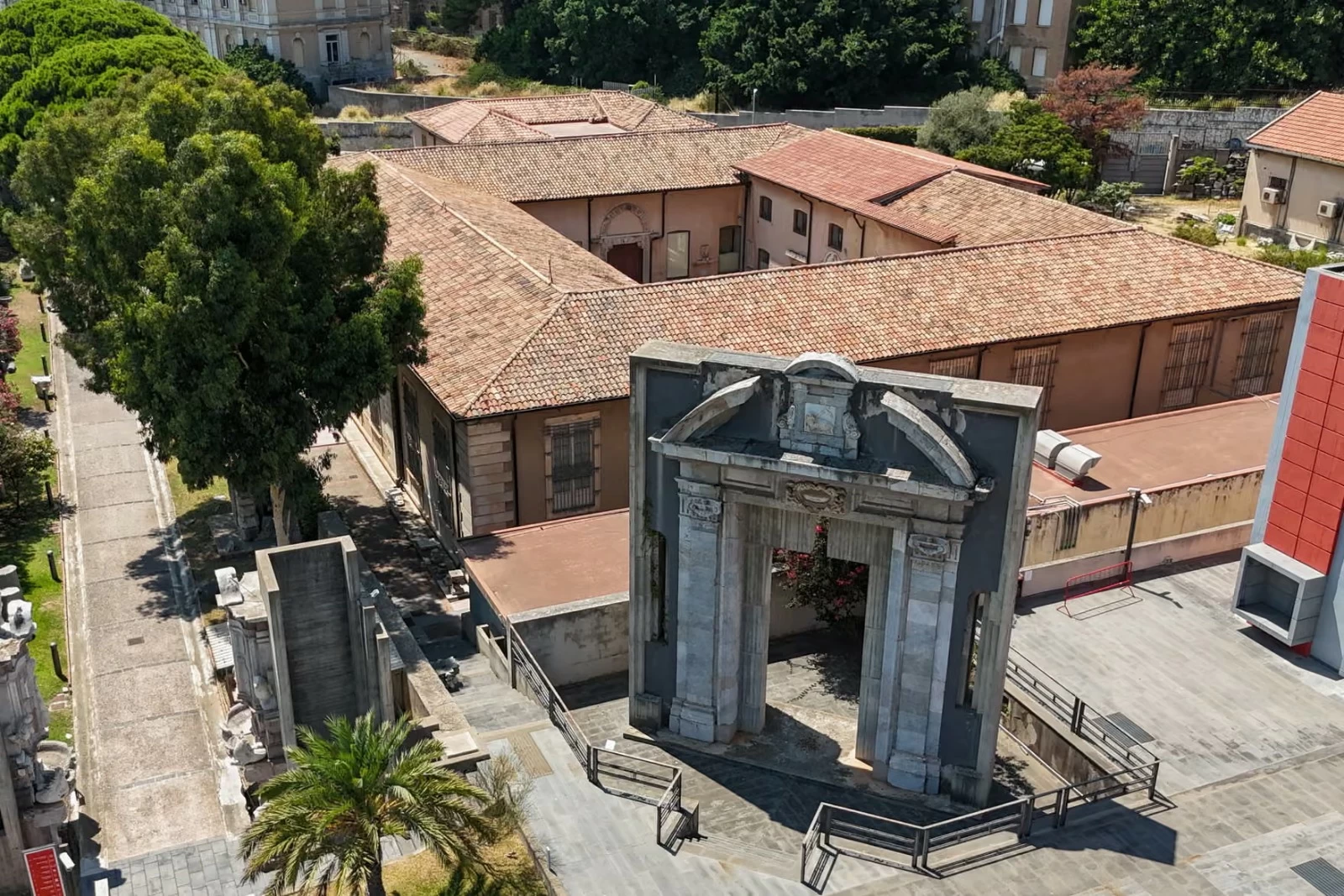
في وقت كانت فيه مدينة ميسينا الإيطالية منشغلة باحتفالات دينية ضخمة، استغل لصوص هدوء أطراف المدينة واقتحموا المتحف الإقليمي وسرقوا أعمالاً فنية تعود إلى عصر النهضة، بينها أجزاء من واحد من أهم أعمال الفنان الصقلي الشهير أنطونيلو دا ميسينا.
وبحسب صحيفة «الغارديان»، وقعت السرقة نحو الساعة 8:47 مساء 15 أغسطس، بالتزامن مع احتشاد عشرات الآلاف وسط المدينة للمشاركة في «موكب فارا»، وهو تقليد ديني يعود إلى عام 1535، ويتزامن مع عطلة «فيراجوستو» الوطنية.
وتشير التحقيقات إلى أن رجلين على الأقل قطعا السياج المحيط بالمتحف، قبل اقتحام باب جانبي باستخدام عتلة حديدية، والوصول إلى صندوق عرض يحتوي على الألواح الخمسة المتبقية من عمل «بوليبتيك سان جريجوريو»، إلى جانب لوحة صغيرة مزدوجة الوجه.
سرقة في دقائق
وأثارت سرعة تنفيذ العملية حيرة المحققين، إذ تشير كاميرات المراقبة إلى أن السرقة استغرقت بين دقيقتين وثلاث دقائق فقط.
وتحقق السلطات في كيفية معرفة اللصوص أن الباب الجانبي لم يكن مزوداً بإنذار، كما تبحث احتمال حصولهم على مساعدة من داخل المتحف، خصوصاً أن مصادر محلية تحدثت عن التحقيق مع أحد الموظفين قبل أن تنفي الشرطة ذلك.
ورغم عدم وجود إنذار على الباب، كان العمل الفني نفسه محمياً بنظام أمني أطلق تنبيهاً عند تحريكه، وقال أحد الحراس إنه سمع الإنذار، لكنه أوقفه معتقداً أنه إنذار كاذب.
وبعد نحو 10 دقائق، اكتشفت امرأة وجود لوحات تابعة للمتحف خارج المبنى، بعدما وضعت لوحتان بعناية على جدار منخفض، بينما اختفت الألواح الثلاثة الأخرى.
لماذا اختار اللصوص 15 أغسطس؟
يرى محققون أن توقيت السرقة كان ذكياً للغاية؛ إذ يجذب الاحتفال أكثر من 150 ألف شخص إلى وسط ميسينا، مع انتشار أعداد كبيرة من الشرطة وإغلاق طرق وساحات رئيسية، بينما تصبح أطراف المدينة شبه خالية.
وتبحث السلطات كذلك في احتمال هروب اللصوص عبر مخرج طوارئ يقود باتجاه المنطقة المطلة على مضيق ميسينا، مع عدم استبعاد استخدام قارب سريع، أو تنفيذ السرقة بناءً على طلب جهة معينة أو بهدف الحصول على فدية.
كنز نجا من زلزال مدمر
وكان «بوليبتيك سان جريجوريو» مكوناً في الأصل من ستة ألواح، وصُنع لدير سان جريجوريو، ويُعد العمل الوحيد لأنطونيلو دا ميسينا الذي لم يغادر مدينته الأصلية.
كما نجا العمل من زلزال ميسينا عام 1908، الذي دمر المدينة وأسفر عن مقتل نحو نصف سكانها.
ويضم متحف ميسينا أيضاً أعمالاً مهمة من عصر النهضة والباروك، بينها لوحتان للفنان كارافاجيو.
هل للمافيا علاقة؟
لم يستبعد المدعي العام في ميسينا فرضية تورط المافيا، وهي فرضية تُطرح عادة في صقلية عند وقوع سرقات فنية كبرى، لكن خبراء فنيين يرون أن بيع اللوحات المسروقة سيكون بالغ الصعوبة؛ فشهرة العمل ونقص أجزائه يجعلان إخفاءه أو تسويقه في سوق الفن مهمة شبه مستحيلة.
وتعيد السرقة إلى الأذهان لوحة كارافاجيو «ميلاد المسيح»، التي سُرقت من مصلى سان لورينزو عام 1969 ولم يُعثر عليها حتى الآن، ولا تزال مدرجة على قائمة مكتب التحقيقات الفيدرالي الأمريكي «FBI» للأعمال الفنية المسروقة الأكثر بحثاً عنها.
وفي انتظار كشف ملابسات السرقة، غُطيت المساحة التي كانت تضم العمل المسروق بألواح سوداء، في مشهد يعكس حالة الحداد على جزء مهم من تاريخ ميسينا، المدينة التي اعتاد سكانها تشبيهها بـ«طائر الفينيق» لقدرتها على النهوض من رماد الكوارث.
At a time when the Italian city of Messina was busy with massive religious celebrations, thieves took advantage of the calm on the outskirts of the city and broke into the regional museum, stealing artworks from the Renaissance period, including parts of one of the most important works by the famous Sicilian artist Antonello da Messina.
According to the Guardian newspaper, the theft occurred around 8:47 PM on August 15, coinciding with the gathering of tens of thousands in the city center to participate in the "Fara Procession," a religious tradition dating back to 1535, which coincides with the national holiday of "Ferragosto."
Investigations indicate that at least two men cut through the fence surrounding the museum before breaking in through a side door using a crowbar, reaching a display case containing the five remaining panels from the "Polyptych of San Gregorio," along with a small double-sided painting.
**media«2757907»**
Theft in Minutes
The speed of the operation has puzzled investigators, as surveillance cameras indicate that the theft took only between two and three minutes.
Authorities are investigating how the thieves knew that the side door was not equipped with an alarm, and they are also looking into the possibility that they received assistance from inside the museum, especially since local sources reported that one employee was being questioned before the police denied it.
**media«2757905»**
Despite the absence of an alarm on the door, the artwork itself was protected by a security system that triggered an alert when moved. One guard said he heard the alarm but stopped it, believing it to be a false alarm.
About 10 minutes later, a woman discovered museum paintings outside the building after two paintings were carefully placed on a low wall, while the other three panels had disappeared.
**media«2757909»**
Why Did the Thieves Choose August 15?
Investigators believe that the timing of the theft was very clever; the celebration attracts more than 150,000 people to the center of Messina, with a large police presence and the closure of main roads and squares, while the outskirts of the city become almost empty.
**media«2757904»**
Authorities are also exploring the possibility that the thieves escaped through an emergency exit leading towards the area overlooking the Strait of Messina, not ruling out the use of a speedboat or that the theft was carried out at the request of a specific party or for ransom.
**media«2757908»**
A Treasure That Survived a Devastating Earthquake
The "Polyptych of San Gregorio" originally consisted of six panels and was made for the San Gregorio monastery. It is the only work by Antonello da Messina that has not left his hometown.
The work also survived the Messina earthquake of 1908, which destroyed the city and resulted in the deaths of about half its population.
The Messina Museum also houses important works from the Renaissance and Baroque periods, including two paintings by the artist Caravaggio.
**media«2757906»**
Is the Mafia Involved?
The public prosecutor in Messina has not ruled out the possibility of mafia involvement, a hypothesis that is often raised in Sicily when major art thefts occur. However, art experts believe that selling the stolen paintings would be extremely difficult; the fame of the work and the lack of its parts make concealing or marketing it in the art market nearly impossible.
The theft brings to mind Caravaggio's painting "The Nativity," which was stolen from the San Lorenzo chapel in 1969 and has not been found to this day, remaining on the FBI's list of the most sought-after stolen artworks.
While awaiting the details of the theft to be revealed, the area that housed the stolen work was covered with black panels, reflecting a state of mourning for an important part of Messina's history, a city whose residents have often likened it to the "Phoenix" for its ability to rise from the ashes of disasters.