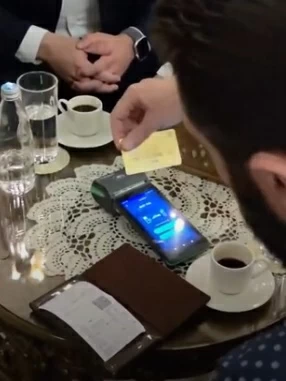
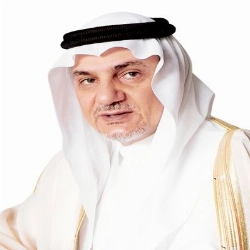
في مشهد رمزّي يلخص تحولاً تاريخياً وانتهاء عقدة مالية امتدت لعقود، شهدت العاصمة السورية دمشق حدثاً غير مسبوق، حيث قام الرئيس السوري أحمد الشرع بإجراء أول عملية دفع إلكتروني باستخدام بطاقة «فيزا» (Visa) العالمية داخل أحد مطاعم المدينة، في خطوة تُعلن رسمياً كسْر الحظر الرقمي وعودة المعاملات المالية الدولية إلى البلاد.
الحدث السريع والمصوّر، الذي نشره حاكم مصرف سوريا المركزي صفوت رسلان عبر منصة «إكس»، لم يكن مجرد سداد لفاتورة طعام، بل كان إعلاناً عملياً عن بدء حقبة جديدة، وجاء بعد 24 ساعة فقط من القرار التاريخي برفع اسم سوريا من القائمة الأمريكية للدول الراعية للإرهاب.
تأتي هذه الخطوة كترجمة فورية لقرار وزارة الخارجية الأمريكية بإلغاء تصنيف سوريا كدولة راعية للإرهاب، وهو الحظر الذي فُرض لأول مرة عام 1979 واستمر طيلة 47 عاماً محاصراً الاقتصاد والبنك المركزي ومكبلاً حركة الاستثمار والمعاملات البنكية.
وكانت واشنطن قد أوضحت أن الإجراء جاء «تماشياً مع وعد الرئيس دونالد ترمب بتخفيف العقوبات»، مما يفتح الباب أمام إلغاء القيود المباشرة على المعاملات المالية والمساعدات وصادرات التكنولوجيا ذات الاستخدام المزدوج، التي ظلت شرياناً مقطوعاً أمام الاقتصاد السوري.
وعلق حاكم المصرف المركزي صفوت رسلان على اللحظة بكونها «بداية جديدة تحمل الكثير من الأمل والمسؤولية وشعوراً يصعب اختصاره بالكلمات»، فيما احتفى الرئيس أحمد الشرع بالقرار مؤكدًا أن بلاده:
- تنفض عن كاهلها «نكتة سوداء» امتدت لعقود طويلة.
- تمزق بأيدي أبنائها صفحة من ماضيها الأليم لتبدأ رحلة البناء والإعمار.
- تتوجه بالشكر والدعم لكل الدول الصديقة التي ساندت هذا التحول التاريخي.
لتصبح شريحة «الميكروشيب» الصغرى في بطاقة «فيزا» بقلب دمشق اليوم، الإشارة الأولى لعودة الشرايين المالية الدولية للتدفق في الجسد السوري بعد عقود من العزلة.
In a symbolic scene summarizing a historical transformation and the end of a financial knot that has persisted for decades, the Syrian capital Damascus witnessed an unprecedented event, where Syrian President Ahmad al-Shara conducted the first electronic payment using a global "Visa" card inside one of the city's restaurants, in a step that officially announces the breaking of the digital blockade and the return of international financial transactions to the country.
The swift and recorded event, which was shared by the Governor of the Central Bank of Syria, Safwat Raslan, via the "X" platform, was not merely a payment for a food bill, but a practical declaration of the beginning of a new era, coming just 24 hours after the historic decision to remove Syria from the U.S. list of state sponsors of terrorism.
This step comes as an immediate translation of the U.S. State Department's decision to lift Syria's designation as a state sponsor of terrorism, a designation that was first imposed in 1979 and lasted for 47 years, suffocating the economy, the central bank, and shackling investment and banking transactions.
Washington had clarified that the action was taken "in line with President Donald Trump's promise to ease sanctions," which opens the door to lifting direct restrictions on financial transactions, aid, and dual-use technology exports, which have remained a severed lifeline for the Syrian economy.
Governor of the Central Bank Safwat Raslan commented on the moment as a "new beginning that carries a lot of hope and responsibility and a feeling that is hard to summarize in words," while President Ahmad al-Shara celebrated the decision, affirming that his country:
- Is shedding a "black joke" that has lasted for long decades.
- Is tearing with the hands of its children a page from its painful past to begin the journey of construction and reconstruction.
- Is expressing gratitude and support to all friendly countries that backed this historical transformation.
Thus, the tiny "microchip" in the "Visa" card in the heart of Damascus today becomes the first signal of the return of international financial arteries to flow within the Syrian body after decades of isolation.