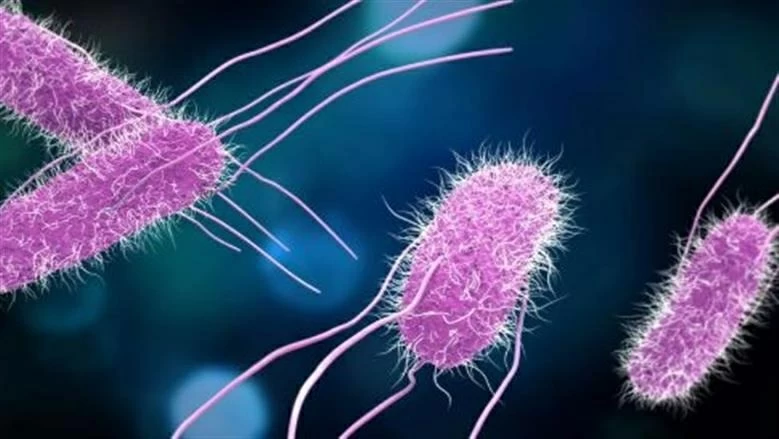
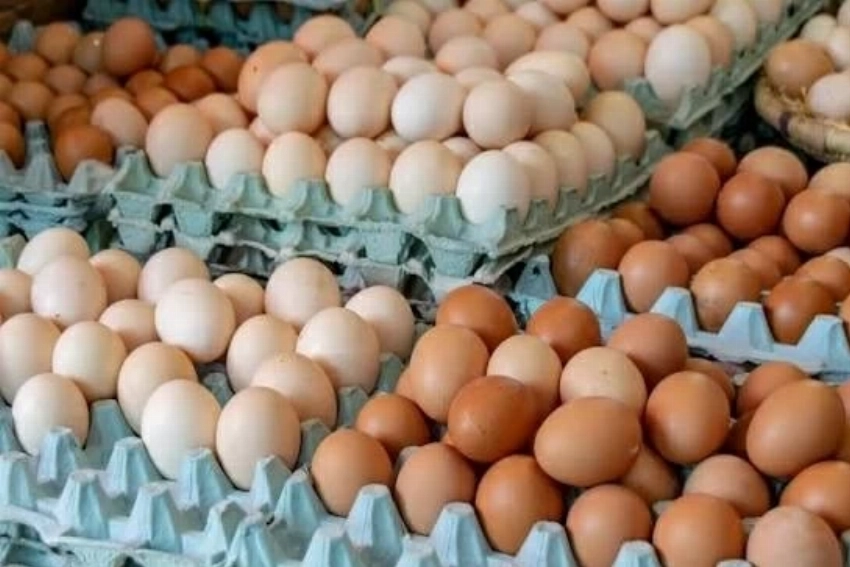
حسمت مصر ممثلةً في الهيئة القومية لسلامة الغذاء ووزارة الصحة والسكان، الجدل المثار بشأن تداول أنباء عن سحب كميات من البيض في الولايات المتحدة الأمريكية، للاشتباه في تلوثها ببكتيريا السالمونيلا، مؤكدة عدم وجود مؤشرات حتى الآن على تفشٍ وبائي غير معتاد مرتبط بهذه الأحداث داخل مصر.
وأوضحت الهيئة القومية لسلامة الغذاء أن الواقعة المتداولة في الولايات المتحدة تتعلق بمنتجات ودفعات محددة من البيض، ولا تعني وجود تفشٍ مماثل في مصر أو أن البيض بشكل عام يمثل مصدر خطر على المستهلكين.
حقيقة سحب البيض في أمريكا
وقالت الهيئة إن الاستدعاء في الولايات المتحدة شمل كميات محددة من البيض من إنتاج شركة Midwest Poultry Services في ولاية تكساس، مع تحديد أكواد وفترات إنتاج وتواريخ صلاحية للمنتجات محل الاستدعاء.
وأكدت أن وقوع حادثة تلوث غذائي في دولة أخرى لا يعني انتقال الخطر تلقائيًا إلى السوق المصرية، إذ تخضع أي مخاطر محتملة للتقييم وفق عدد من العوامل؛ من بينها بلد المنشأ ومصدر المنتج والدفعات والأكواد ومسارات التداول، إلى جانب نتائج الفحوص والتحاليل والمعلومات الرقابية المتاحة.
وأشارت الهيئة إلى أنها تواصل متابعة الإنذارات الغذائية الدولية والمستجدات المرتبطة بها، للتحقق من مدى ارتباطها بأي منتجات ربما تكون دخلت إلى السوق المصرية أو يتم تداولها محليًا، مع اتخاذ الإجراءات الرقابية والاحترازية اللازمة حال ثبوت وجود أي منتجات أو تشغيلات تستدعي التدخل.
هل البيض المتداول في مصر آمن؟
وأكدت الهيئة القومية لسلامة الغذاء أن البيض المنتج والمتداول في السوق المصرية يخضع لمنظومة من الاشتراطات والضوابط الرقابية في مختلف مراحل الإنتاج والتداول، إلى جانب برامج للفحص والتقصي والتحليل وفق منهجية تقييم المخاطر.
وناشدت المواطنين عدم الانسياق وراء المعلومات غير الموثقة أو التعميمات التي قد تثير القلق، والاعتماد على البيانات الرسمية الصادرة عن الجهات المختصة.
كما أوصت بشراء البيض من مصادر موثوقة، وحفظه في ظروف التخزين المناسبة، ومنع التلوث المتبادل بين الأغذية، مع الحرص على طهيه جيدًا.
الصحة المصرية تتابع التفشيات الدولية
من جانبها، أكدت وزارة الصحة والسكان استمرار متابعة الأحداث الوبائية المرتبطة بالسالمونيلا في عدد من الدول، مشيرة إلى أن الوضع الوبائي في مصر مستقر، ولا توجد حتى الآن مؤشرات على وجود تفشٍ وبائي غير معتاد مرتبط بالأحداث الدولية محل المتابعة.
وقال وزير الصحة الدكتور خالد عبدالغفار: إن الوزارة تتابع الأوضاع الصحية والوبائية محليًا ودوليًا من خلال منظومتي الترصد الوبائي والترصد القائم على الأحداث، مع متابعة الأمراض المنقولة بالغذاء، ومن بينها عدوى السالمونيلا.
وشدد على أن متابعة التفشيات الدولية لا تعني بالضرورة وجود خطر مماثل داخل مصر، وإنما تستهدف تعزيز الاستباق والإنذار المبكر، والتأكد من عدم انتقال أي مخاطر صحية إلى البلاد.
وأوضح أن تقييم الوضع الوبائي داخل مصر يعتمد على البيانات المحلية ونتائج الترصد والتقصي والتحليل الوبائي، إلى جانب المعلومات الدولية الموثوقة، بما يضمن اتخاذ القرارات الصحية بناءً على تقييم علمي دقيق للمخاطر.
306 إصابات في بلجيكا و207 في بريطانيا
بدوره، أوضح متحدث وزارة الصحة الدكتور حسام عبدالغفار، أن التفشي المرتبط بعدوى Salmonella Enteritidis في بلجيكا يعد من أبرز الأحداث الدولية التي تتابعها الوزارة حاليًا.
وبحسب تحديث البيانات في 25 أغسطس 2026، تم الإبلاغ عن ما لا يقل عن 306 حالات إصابة في بلجيكا، دون تسجيل وفيات حتى تاريخ التحديث، فيما شملت عمليات الاستدعاء بعض المنتجات المرتبطة بالحدث والتي جرى تداولها في بلجيكا ولوكسمبورج.
كما تتابع الوزارة تفشي عدوى Salmonella Enteritidis في المملكة المتحدة، حيث أعلنت وكالة الأمن الصحي البريطانية (UKHSA) في 18 أغسطس تسجيل 207 حالات مؤكدة حتى 13 أغسطس، إلى جانب حالة وفاة واحدة.
وأكدت الوزارة أن هذه التطورات الدولية لا تعني وجود تفشٍ مماثل في مصر، مشيرة إلى استمرار أعمال الترصد والتقصي للكشف المبكر عن أي تغيرات وبائية محتملة.
كيف تحمي نفسك من السالمونيلا؟
وأكدت وزارة الصحة أهمية الالتزام بقواعد سلامة الغذاء، وعلى رأسها:
- غسل اليدين جيدًا بالماء والصابون، خاصة قبل إعداد الطعام وتناوله وبعد استخدام دورات المياه.
- الفصل بين الأغذية النيئة والمطهوة، واستخدام أدوات وأسطح منفصلة عند التعامل معها.
- طهي الأغذية جيدًا والتأكد من وصولها إلى درجات الحرارة الآمنة.
- حفظ الأغذية في درجات الحرارة المناسبة وعدم ترك الأطعمة القابلة للتلف خارج التبريد لفترات طويلة.
- شراء الأغذية والمنتجات من مصادر موثوقة.
- الالتزام بأي تعليمات رسمية بشأن المنتجات التي يتم التحذير منها أو استدعاؤها.
وأكدت وزارة الصحة أن منظومة الترصد تعمل بصورة استباقية لمتابعة أي مخاطر محتملة، مع سرعة اكتشاف الحالات والتحقيق في مصادر التعرض المحتملة وتتبع المنتجات الغذائية المرتبطة بأي أحداث وبائية، واتخاذ الإجراءات المناسبة وفق درجة الخطورة.
وبالتوازي، أكدت الهيئة القومية لسلامة الغذاء استمرار متابعة الموقف محليًا ودوليًا، مع الإعلان عن أي مستجدات أو إجراءات تستوجب إبلاغ المواطنين بها فور توافر معلومات مؤكدة.
Egypt, represented by the National Food Safety Authority and the Ministry of Health and Population, has resolved the controversy surrounding reports about the withdrawal of quantities of eggs in the United States due to suspected contamination with Salmonella bacteria, confirming that there are currently no indicators of an unusual epidemic outbreak related to these events within Egypt.
The National Food Safety Authority clarified that the incident circulating in the United States pertains to specific products and batches of eggs, and does not imply that a similar outbreak exists in Egypt or that eggs in general pose a risk to consumers.
The Truth About Egg Withdrawal in America
The authority stated that the recall in the United States included specific quantities of eggs produced by Midwest Poultry Services in Texas, with codes, production periods, and expiration dates specified for the recalled products.
It confirmed that an incident of food contamination in another country does not automatically mean that the risk has transferred to the Egyptian market, as any potential risks are assessed based on several factors, including the country of origin, product source, batches, codes, and trading pathways, along with the results of tests and analyses and available regulatory information.
The authority noted that it continues to monitor international food alerts and related developments to verify their connection to any products that may have entered the Egyptian market or are being traded locally, taking necessary regulatory and precautionary measures if any products or batches warrant intervention.
Is the Egg Sold in Egypt Safe?
The National Food Safety Authority confirmed that the eggs produced and sold in the Egyptian market are subject to a system of conditions and regulatory controls at various stages of production and trading, in addition to programs for inspection, investigation, and analysis based on a risk assessment methodology.
It urged citizens not to be swayed by unverified information or generalizations that may cause concern, and to rely on official data issued by the competent authorities.
It also recommended purchasing eggs from trusted sources, storing them under appropriate conditions, preventing cross-contamination between foods, and ensuring they are cooked thoroughly.
The Egyptian Health Ministry Monitors International Outbreaks
For its part, the Ministry of Health and Population confirmed its continued monitoring of epidemiological events related to Salmonella in several countries, indicating that the epidemiological situation in Egypt is stable, and there are currently no indicators of an unusual epidemic outbreak related to the international events under observation.
Health Minister Dr. Khaled Abdel Ghaffar stated that the ministry is monitoring health and epidemiological conditions both locally and internationally through the epidemiological surveillance system and event-based surveillance, while keeping track of foodborne diseases, including Salmonella infections.
He emphasized that monitoring international outbreaks does not necessarily mean that a similar risk exists within Egypt, but rather aims to enhance preparedness and early warning, and to ensure that no health risks are transferred to the country.
He explained that the assessment of the epidemiological situation within Egypt relies on local data and the results of surveillance, investigation, and epidemiological analysis, in addition to reliable international information, ensuring that health decisions are made based on an accurate scientific assessment of risks.
306 Cases in Belgium and 207 in Britain
For his part, the Ministry of Health spokesperson Dr. Hossam Abdel Ghaffar clarified that the outbreak related to Salmonella Enteritidis in Belgium is one of the prominent international events currently being monitored by the ministry.
According to data updated on August 25, 2026, at least 306 cases of infection have been reported in Belgium, with no deaths recorded as of the date of the update, while the recall operations included some products linked to the event that were traded in Belgium and Luxembourg.
The ministry is also monitoring the outbreak of Salmonella Enteritidis in the United Kingdom, where the UK Health Security Agency (UKHSA) announced on August 18 that 207 confirmed cases had been recorded as of August 13, along with one death.
The ministry confirmed that these international developments do not imply a similar outbreak in Egypt, noting the continued surveillance and investigation efforts to detect any potential epidemiological changes early.
How to Protect Yourself from Salmonella?
The Ministry of Health emphasized the importance of adhering to food safety rules, primarily:
- Washing hands thoroughly with soap and water, especially before preparing and consuming food and after using the restroom.
- Separating raw and cooked foods, and using separate utensils and surfaces when handling them.
- Cooking foods thoroughly and ensuring they reach safe temperatures.
- Storing foods at appropriate temperatures and not leaving perishable items outside refrigeration for extended periods.
- Purchasing foods and products from trusted sources.
- Adhering to any official instructions regarding products that are being warned about or recalled.
The Ministry of Health confirmed that the surveillance system operates proactively to monitor any potential risks, with rapid detection of cases, investigation of potential exposure sources, tracking food products linked to any epidemiological events, and taking appropriate actions based on the level of risk.
Simultaneously, the National Food Safety Authority confirmed its continued monitoring of the situation both locally and internationally, announcing any updates or actions that require informing citizens as soon as confirmed information becomes available.