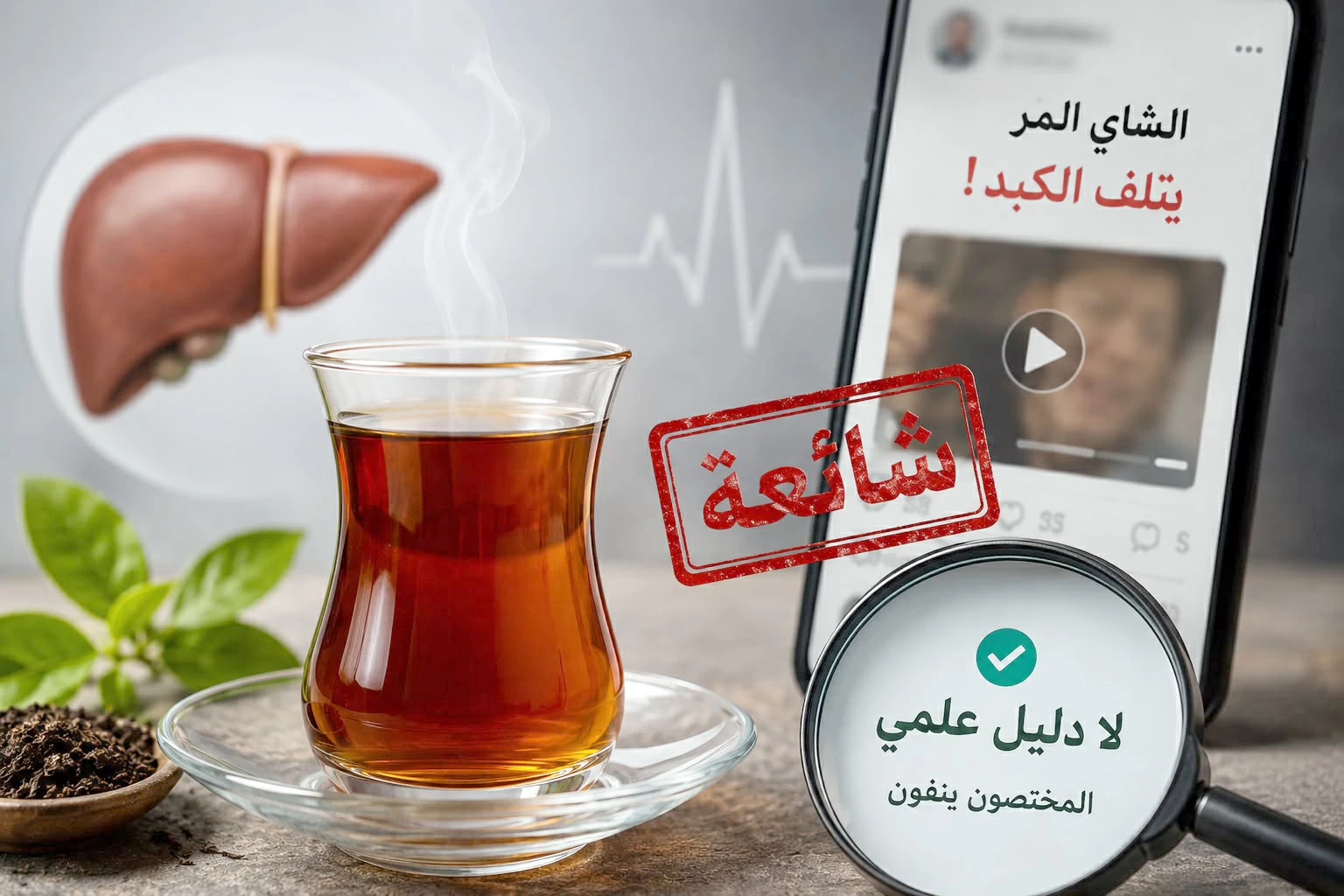
أثارت مزاعم متداولة عبر منصات التواصل الاجتماعي أن تناول الشاي دون سكر «الشاي المر» يتسبب في أضرار للكبد، جدلاً واسعاً، قبل أن يفندها مختصون، مؤكدين عدم وجود دليل علمي يثبت صحة الادعاء.
ونفى أستاذ وعالم الأبحاث الطبية البروفيسور فهد الخضيري، ما ورد في المقطع المتداول، وأكد أنه لا يستند إلى مصدر أو دراسة علمية، موضحاً أن الشاي دون سكر لا يضر الكبد، بل يُعد خياراً أفضل للصحة العامة مقارنة بالشاي المحلى بالسكر.
فهد الخضيري
ودعا الخضيري إلى عدم الانسياق وراء المعلومات الصحية غير الموثقة، موضحاً أنه يمكن تخفيف مرارة الشاي بإضافة النعناع أو الحبق أو الحليب، أو تخفيفه بالماء الحار، إلى أن يعتاد الشخص على مذاقه.
محمد حسن
وأشار الطبيب العام محمد حسن إلى أن تناول الشاي دون سكر يحمل فوائد صحية، خصوصاً عند استبداله بالشاي المحلى، إذ يقلل استهلاك السكر والسعرات الحرارية، ويساعد في التحكم بالوزن وتقليل مخاطر زيادته.
وأوضح أن الشاي يحتوي على مضادات الأكسدة «البوليفينولات» التي قد تدعم صحة القلب والأوعية الدموية، فيما يسهم الكافيين في تعزيز اليقظة والتركيز وتقليل الشعور بالتعب، مشدداً على أن الشاي ليس علاجاً لمرض السكري.
وأشار حسن إلى أن الشاي الأسود والأخضر يحتويان على مركبات نباتية مفيدة، مع ارتفاع محتوى الشاي الأخضر عادةً من بعض مضادات الأكسدة، فيما يعد تناوله دون سكر أفضل لصحة الأسنان.
سيد نصر
من جانبه، أوضح أخصائي الباطنية الدكتور سيد نصر لـ«عكاظ» أن الشاي الدافئ يساعد على الشعور بالراحة بعد تناول الطعام، وأن بعض أنواعه، كالنعناع والزنجبيل، تخفف الانتفاخ وعسر الهضم لدى بعض الأشخاص. وحذّر نصر من الإفراط في تناول الشاي، خصوصاً على معدة فارغة، لافتاً إلى أنه قد يسبب لدى بعض الأشخاص الحموضة أو تهيج المعدة، وقد يزيد الكافيين من هذه الأعراض.
محتوى مثير ومخيف
أبدى الدكتور ناصر الحسين استغرابه من تداول مثل هذه المعلومات، مشدداً على أهمية التحقق من الأخبار الصحية ومصادرها قبل إعادة نشرها.
بشاير الحرازي
أما الأستاذ المساعد بقسم الإعلام في جامعة الطائف الدكتورة بشاير كامل الحرازي، فقالت لـ«عكاظ» إن الشائعات الصحية تنتشر عبر مواقع التواصل أسرع من الحقائق، كونها تُقدم غالباً بصياغة مثيرة ومخيفة وسهلة التداول، فيما تحتاج المعلومة العلمية إلى أدلة وتفسير.
وأوضحت أن مجرد نسب الادعاء إلى طبيب أو ظهوره عبر وسيلة إعلامية قد يمنحه مصداقية لدى الجمهور، حتى في غياب الدليل العلمي، مشددة على أن دور الإعلام يجب أن يكون «خط دفاع ضد التضليل لا ناقلاً له».
وأضافت أن مسؤولية الإعلام تبدأ من منع المعلومة غير الموثقة من اكتساب صفة الحقيقة، خصوصاً أن الشائعة قد تصل إلى الملايين، بينما لا يصل تصحيحها بالضرورة إلى الجمهور نفسه.
شعور زائف بالمصداقية
الفجوة بين السرعة والتحقق
الأخصائية الاجتماعية نوف الخالدي أكدت لـ«عكاظ» أن الشائعة الطبية أصبحت ظاهرة اجتماعية تؤثر في وعي الأفراد وسلوكهم وقراراتهم الصحية، مشيرة إلى أن انتشار شائعة «الشاي المر» يكشف الفجوة بين سرعة تداول المعلومة وسرعة التحقق منها.
وأوضحت أن المحتوى المثير والمخيف يجذب الانتباه أكثر من المعلومة العلمية، كما أن تكرار المعلومة قد يمنحها شعوراً زائفاً بالمصداقية، داعية إلى تعزيز ثقافة التحقق قبل النشر.
وأكدت الخالدي أن مواجهة الشائعات مسؤولية مشتركة بين المختصين والإعلام والمنصات والأفراد، مشددة على أهمية التمييز بين الرأي والدليل، والتجربة الشخصية والمعلومة العلمية.
Claims circulating on social media that drinking tea without sugar, "bitter tea," causes liver damage have sparked widespread controversy, before being refuted by specialists who confirmed that there is no scientific evidence to support the claim.
Professor Fahd Al-Khudairi, a professor and medical research scientist, denied the content of the circulated video, asserting that it is not based on any source or scientific study, explaining that unsweetened tea does not harm the liver and is, in fact, a better option for overall health compared to sweetened tea.
فهد الخضيري
Al-Khudairi urged people not to be swayed by unverified health information, explaining that the bitterness of tea can be alleviated by adding mint, basil, or milk, or by diluting it with hot water until one becomes accustomed to its taste.
محمد حسن
General practitioner Dr. Mohammed Hassan pointed out that drinking tea without sugar has health benefits, especially when replacing sweetened tea, as it reduces sugar and calorie intake, helps control weight, and decreases the risks of weight gain.
He explained that tea contains antioxidants, "polyphenols," which may support heart and vascular health, while caffeine helps enhance alertness and concentration and reduces feelings of fatigue, emphasizing that tea is not a treatment for diabetes.
Hassan noted that both black and green tea contain beneficial plant compounds, with green tea typically having a higher content of certain antioxidants, and that consuming it without sugar is better for dental health.
سيد نصر
For his part, internal medicine specialist Dr. Said Nasr explained to "Okaz" that warm tea helps one feel comfortable after eating, and that some types, such as mint and ginger, relieve bloating and indigestion in some individuals. Nasr warned against excessive tea consumption, especially on an empty stomach, noting that it may cause acidity or stomach irritation in some people, and that caffeine can exacerbate these symptoms.
Provocative and Scary Content
Dr. Nasser Al-Hussein expressed his astonishment at the circulation of such information, stressing the importance of verifying health news and its sources before sharing it.
بشاير الحرازي
Assistant professor in the media department at Taif University, Dr. Bashayer Kamel Al-Harazi, told "Okaz" that health rumors spread on social media faster than facts, as they are often presented in an exciting, scary, and easily shareable format, while scientific information requires evidence and explanation.
She explained that merely attributing a claim to a doctor or having it appear in a media outlet may grant it credibility among the public, even in the absence of scientific evidence, emphasizing that the role of the media should be "a line of defense against misinformation, not a transmitter of it."
She added that the media's responsibility begins with preventing unverified information from acquiring the status of truth, especially since a rumor can reach millions, while its correction does not necessarily reach the same audience.
False Sense of Credibility
The Gap Between Speed and Verification
Social specialist Nouf Al-Khalidi confirmed to "Okaz" that medical rumors have become a social phenomenon affecting individuals' awareness, behavior, and health decisions, noting that the spread of the "bitter tea" rumor reveals the gap between the speed of information circulation and the speed of its verification.
She explained that provocative and scary content attracts more attention than scientific information, and that the repetition of information can give it a false sense of credibility, calling for a culture of verification before publication.
Al-Khalidi emphasized that confronting rumors is a shared responsibility among specialists, the media, platforms, and individuals, stressing the importance of distinguishing between opinion and evidence, personal experience and scientific information.