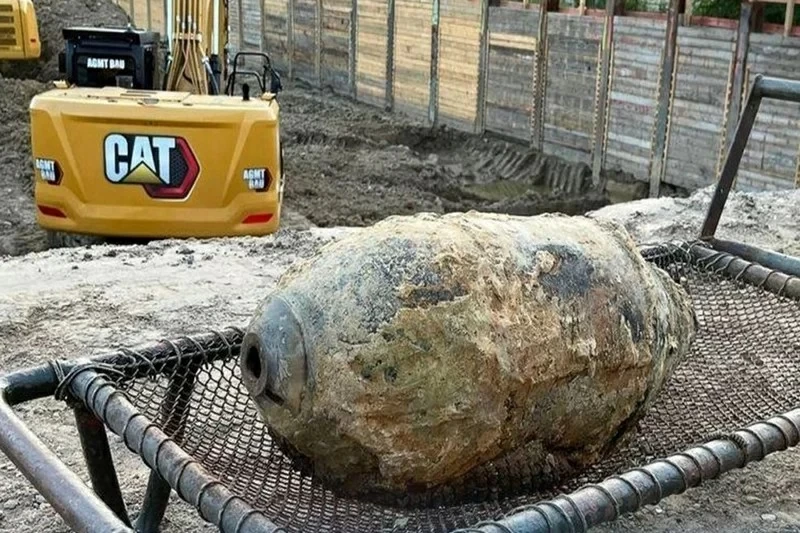
في ليلة سينمائية حبست أنفاس العاصمة الألمانية، استيقظ حي «نويكولن» الشهير ببرلين على كابوس مدفون تحت الأرض منذ عقود! كابوسٌ لم يكن سوى قنبلة عاتية تزن 100 كيلوغرام من مخلفات الحرب العالمية الثانية، ظلت غافية طيلة 80 عاماً في مياه قناة ملاحية، قبل أن تخرج فجأة لتقلب هدوء المدينة إلى موجة استنفار قصوى.
سرعان ما تحول المشهد في لحظات إلى دراما حية، حيث صدحت مكبرات الصوت في شوارع الحي، واهتزت هواتف السكان بتحذيرات طارئة عبر نظام «كاتفارن»، لتصدر أوامر إخلاء قسري ونزع ملكية مؤقت شمل أكثر من 5600 منزل، تاركاً آلاف العائلات في مواجهة ظلمة ليل الشارع.
عقدة الموقف لم تكن فقط في حجم القنبلة القاتلة، بل في ضرب طوق أمني عازل بقطر 500 متر فرض إغلاقاً كاملاً لشرايين العاصمة. وعاشت أجهزة الإغاثة والشرطة ليلة مليئة بالتحديات اللوجستية المعقدة:
- إجلاء معقد لطاعني السن: اضطرت الفرق إلى نقل المئات من قاطني دور رعاية المسنين داخل نطاق الخطر، في عملية طبية وإنسانية شاقة حبست الأنفاس.
- شلل في حركة القطارات: شُلت حركة النقل العام في برلين تماماً، وتوقفت خطوط الحافلات والأنفاق المحيطة، ما أحدث حالة ارباك مروري لم تشهدها المدينة منذ فترة طويلة.
- استنفار 200 ضابط وخبير: تحول موقع القناة إلى مقر عمليات يضم الصليب الأحمر وفرق الإغاثة التقنية لإقامة مراكز إيواء طارئة استوعبت الفارين من منازلهم.
وتحت الضغط العصبي الشديد، خاض خبراء تفكيك المفرقعات معركة حبس أنفاس مع صاعق القنبلة الصدئ. وقبيل منتصف الليل بقليل، أعلنت الشرطة نجاح المهمة وإبطال مفعول القنبلة، ليُفتح المجال أمام عودة العائلات المجهدة إلى منازلها بعد ساعات من الرعب.
ورغم زوال الخطر، أعادت الحادثة التذكير بالحقيقة المظلمة التي تعيشها ألمانيا، حيث أكدت الشرطة أن العثور على أطنان المتفجرات المدفونة تحت أحياء برلين المكتظة لا يزال مسلسلاً مستمراً، يحوّل أرشيف الحرب إلى أشباح قنابل موقوتة تهدد سلامة السكان في أي لحظة.
On a cinematic night that held the breath of the German capital, the famous district of "Neukölln" in Berlin awoke to a nightmare buried underground for decades! This nightmare was none other than a massive 100-kilogram bomb from the remnants of World War II, which had been lying dormant for 80 years in the waters of a shipping canal, before suddenly surfacing to turn the city's tranquility into a wave of maximum alert.
In moments, the scene transformed into live drama, as loudspeakers blared in the streets of the district, and residents' phones vibrated with emergency alerts via the "Katwarn" system, issuing orders for forced evacuations and temporary expropriations that affected more than 5,600 homes, leaving thousands of families facing the darkness of the street night.
The complexity of the situation was not only in the size of the deadly bomb but also in the establishment of a security cordon with a radius of 500 meters that imposed a complete shutdown of the capital's arteries. Emergency services and police experienced a night filled with complex logistical challenges:
- Complex evacuation of the elderly: Teams had to transport hundreds of residents from nursing homes within the danger zone, in a medical and humanitarian operation that held their breath.
- Paralysis of train movement: Public transport in Berlin was completely paralyzed, with bus and subway lines surrounding the area halted, causing a traffic chaos not seen in the city for a long time.
- Mobilization of 200 officers and experts: The canal site turned into an operations center that included the Red Cross and technical relief teams to establish emergency shelters for those fleeing their homes.
Under intense psychological pressure, bomb disposal experts engaged in a breath-holding battle with the bomb's rusty detonator. Just before midnight, the police announced the success of the mission and the deactivation of the bomb, allowing exhausted families to return to their homes after hours of terror.
And despite the danger having passed, the incident served as a reminder of the dark reality that Germany lives with, as police confirmed that the discovery of tons of explosives buried beneath Berlin's crowded neighborhoods remains an ongoing saga, turning the war archive into ghosts of time bombs that threaten the safety of residents at any moment.