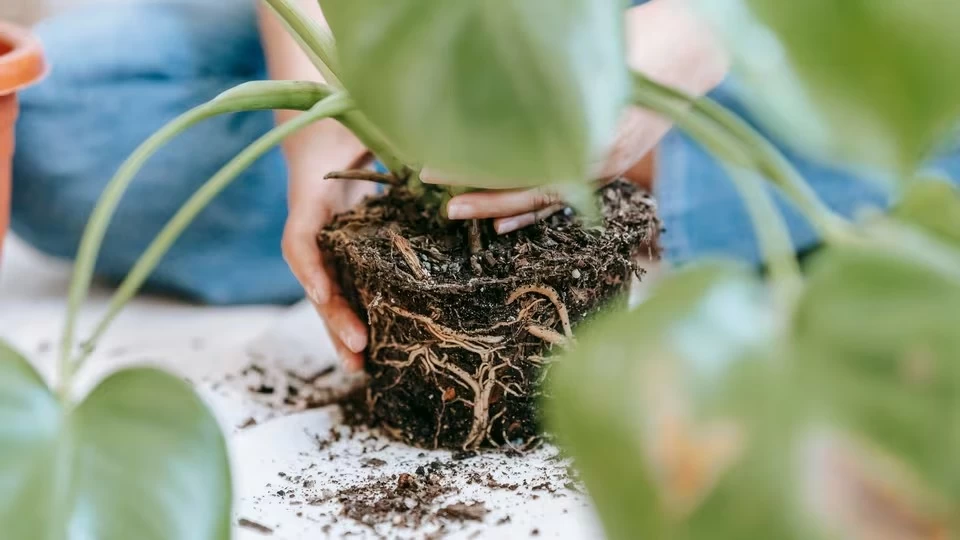
قد تبدو عملية إعادة زراعة النباتات المنزلية أو تغيير أصيصها من الأعمال المنزلية البسيطة والآمنة، إلا أن التعامل المباشر مع التربة الرطبة والمياه الراكدة داخل الأصص قد يعرّض اليدين لبعض أنواع البكتيريا، وفق تحذير طبي.
وفي هذا الصدد، قال طبيب التخدير والطب التداخلي لعلاج الألم بجامعة واين ستيت في مدينة ديترويت الأمريكية، الدكتور كونال سود، إن الاحتفاظ بالنباتات داخل المنزل أو خارجه آمن بشكل عام، لكنه أشار إلى أن التربة الرطبة والمياه الراكدة حول النباتات يمكن أن توفر بيئة مناسبة لنمو بعض الميكروبات الضارة، ومن بينها بكتيريا بسودوموناس (Pseudomonas).
وجاء تحذير الطبيب بعد تداول قصة رجل قال إن نباتات منزله تسببت في مرضه، وإن حالته الصحية وصلت إلى مرحلة اضطرته إلى البقاء في المستشفى إلى حين خضوعه لعملية زراعة قلب، إلا أن سود لم يؤكد أن إعادة زراعة النباتات أو التعامل معها يمكن أن يؤدي مباشرة إلى مشكلات في القلب، وإنما حذر من المخاطر المحتملة لبعض أنواع البكتيريا الموجودة في التربة والمياه الراكدة.
هل يمكن أن تنتقل البكتيريا أثناء تغيير أصيص النبات؟
وأوضح سود أن لمس التربة أثناء إعادة زراعة النباتات، أو التعامل مع المياه القديمة المتجمعة في الأصيص، قد يؤدي إلى انتقال البكتيريا إلى اليدين.
وأضاف أن بكتيريا «بسودوموناس» تعيش وتتكاثر في البيئات الرطبة، ويمكن أن توجد في بعض أنواع تربة النباتات والمياه الراكدة المحيطة بها.
ورغم ذلك، أكد الطبيب أن وجود النباتات في المنزل لا يمثل سببًا يدعو إلى الذعر بالنسبة لمعظم الأشخاص، إذ يوفر الجلد وجهاز المناعة عادةً حماية فعالة ضد كثير من الميكروبات التي قد يتعرض لها الإنسان يوميًا.
متى تصبح البكتيريا مصدر خطر؟
وتكمن المشكلة الأكبر عندما تجد البكتيريا طريقًا أسهل للدخول إلى الجسم، بحسب الطبيب، وقد يحدث ذلك عبر جرح أو منطقة متضررة من الجلد، أو من خلال بعض الأجهزة الطبية التي تدخل إلى الجسم، ما قد يزيد من فرص الإصابة بالعدوى لدى الأشخاص الأكثر عرضة للمضاعفات.
وأشار سود إلى أن بعض أنواع بكتيريا «بسودوموناس» يمكن أن تسبب التهابات يصعب علاجها، خصوصًا أن بعض سلالاتها قادرة على مقاومة عدة أنواع من المضادات الحيوية، فضلًا عن قدرتها على تكوين تجمعات واقية تعرف باسم الأغشية الحيوية (Biofilms).
لا حاجة للتخلص من النباتات
ورغم التحذير، شدد الطبيب على أنه لا توجد حاجة للتخلص من النباتات المنزلية، مؤكدًا أن اتباع بعض الإجراءات البسيطة يمكن أن يقلل من احتمالات انتقال البكتيريا أثناء التعامل مع التربة أو مياه الأصص.
ونصح الطبيب الهندي بـ: غسل اليدين جيدًا بعد التعامل مع التربة أو مياه النباتات، ارتداء القفازات عند وجود جروح أو تشققات في اليدين، غسل اليدين جيدًا قبل لمس أي جرح أو التعامل مع جهاز طبي، تجنب لمس الجروح مباشرة بعد التعامل مع التربة أو المياه الراكدة.
وأوضح سود أن هذه الاحتياطات البسيطة تسمح بالاستمتاع بالعناية بالنباتات وإعادة زراعتها، مع تقليل احتمالات التعرض للميكروبات.
The process of repotting houseplants or changing their pots may seem like a simple and safe household task, but direct contact with wet soil and stagnant water inside the pots can expose the hands to certain types of bacteria, according to a medical warning.
In this regard, Dr. Kunal Sood, an anesthesiologist and interventional pain medicine specialist at Wayne State University in Detroit, USA, stated that keeping plants indoors or outdoors is generally safe. However, he pointed out that wet soil and stagnant water around plants can provide a suitable environment for the growth of some harmful microbes, including Pseudomonas bacteria.
The doctor's warning came after a story circulated about a man who claimed that his houseplants caused him to become ill, and that his health condition reached a point that forced him to stay in the hospital until he underwent a heart transplant. However, Sood did not confirm that repotting plants or handling them could directly lead to heart problems; rather, he warned of the potential risks from certain types of bacteria present in soil and stagnant water.
Can bacteria be transmitted while changing a plant's pot?
Sood explained that touching the soil while repotting plants or handling old water collected in the pot could lead to the transfer of bacteria to the hands.
He added that Pseudomonas bacteria live and multiply in wet environments and can be found in some types of plant soil and the stagnant water surrounding them.
Nevertheless, the doctor emphasized that having plants in the home does not pose a cause for alarm for most people, as the skin and immune system usually provide effective protection against many microbes that a person may encounter daily.
When does bacteria become a source of danger?
The biggest problem arises when bacteria find an easier way to enter the body, according to the doctor. This can happen through a cut or damaged area of the skin, or through certain medical devices that enter the body, which may increase the risk of infection in individuals more susceptible to complications.
Sood noted that some types of Pseudomonas bacteria can cause infections that are difficult to treat, especially since some of their strains are capable of resisting several types of antibiotics, in addition to their ability to form protective clusters known as biofilms.
No need to get rid of plants
Despite the warning, the doctor stressed that there is no need to dispose of houseplants, affirming that following some simple procedures can reduce the chances of bacteria transmission while handling soil or pot water.
The Indian doctor advised: wash hands thoroughly after handling soil or plant water, wear gloves when there are cuts or cracks on the hands, wash hands well before touching any wound or handling a medical device, and avoid touching wounds immediately after handling soil or stagnant water.
Sood explained that these simple precautions allow for enjoying the care and repotting of plants while minimizing the chances of exposure to microbes.