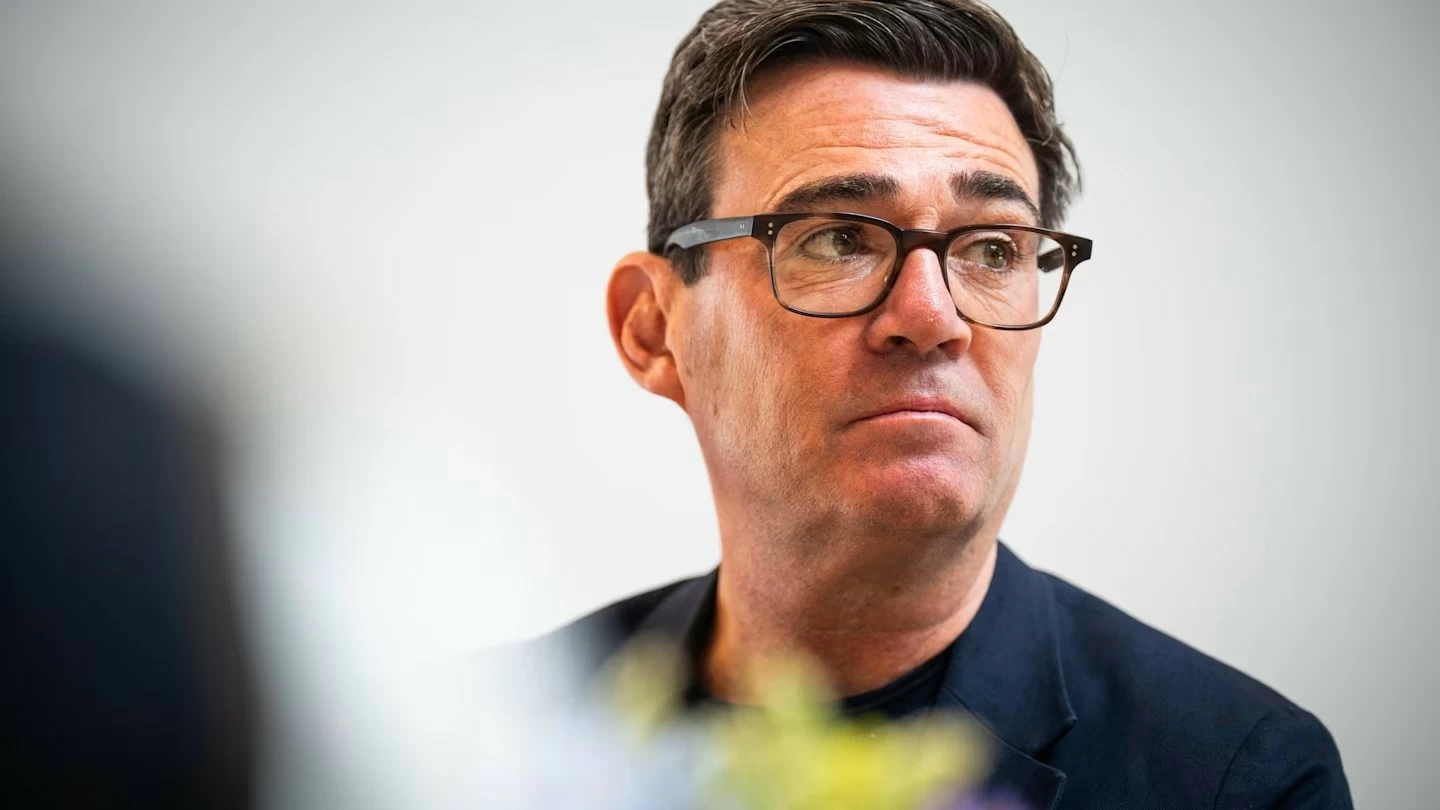
كشفت صحيفة «فايننشال تايمز» أن رئيس الوزراء البريطاني أندي بورنهام تبادل رسائل نصية مع شخص انتحل شخصية سوزي وايلز، كبيرة موظفي البيت الأبيض وأحد أقرب مستشاري الرئيس الأمريكي دونالد ترمب، في واقعة أثارت مخاوف أمنية داخل الحكومة البريطانية.
ولم تنفِ رئاسة الوزراء البريطانية حدوث التواصل، لكنها امتنعت عن التعليق على تفاصيله، قائلة: «لا نعلق على مسائل الأمن القومي».
وبحسب مصادر مطلعة على الواقعة، اقتصر التواصل بين بورنهام والشخص المنتحل على رسائل نصية، ولم يتضمن مكالمات هاتفية، كما لم تُنقل خلال المراسلات أي معلومات ذات أهمية.
وأوضحت المصادر أن الشكوك أثيرت بعد تبادل عدد محدود من الرسائل، قبل أن يتم الإبلاغ سريعًا عن النشاط المريب إلى السلطات المختصة.
السفارة البريطانية أبلغت البيت الأبيض
وأثارت الواقعة قلقًا لدى السلطات البريطانية، بعدما ظهرت مخاوف من احتمال تعرض هاتف سوزي وايلز للاختراق مجددًا، خاصة في ضوء حادثة مشابهة استهدفتها العام الماضي.
وبحسب تقارير، كانت السفارة البريطانية في واشنطن قلقة بدرجة دفعتها إلى إبلاغ البيت الأبيض بالواقعة، إلا أن الإدارة الأمريكية لم تقدم تعليقًا بشأن الحادثة الجديدة.
ولا يزال من غير الواضح ما إذا كان الشخص الذي تواصل مع بورنهام قد تمكن بالفعل من اختراق أجهزة وايلز، أو كيف حصل على المعلومات اللازمة لانتحال شخصيتها.
سابقة استهداف سوزي وايلز
تأتي الواقعة بعد محاولة مماثلة استهدفت سوزي وايلز العام الماضي، عندما تلقى سياسيون أمريكيون ومسؤولون حكوميون ورجال أعمال بارزون رسائل ومكالمات من شخص ادعى أنه كبيرة موظفي ترمب.
وفتحت السلطات الأمريكية، بما فيها مكتب التحقيقات الفيدرالي «FBI»، تحقيقًا في الواقعة، وأفادت تقارير آنذاك بأن جهات اتصال مخزنة على هاتف وايلز الشخصي تعرضت للاختراق، ما أتاح للمنتحل الوصول إلى أرقام شخصيات سياسية ورجال أعمال بارزين، بحسب صحيفة وول ستريت جورنال.
وقالت متحدثة باسم البيت الأبيض في ذلك الوقت إن الإدارة «تتعامل مع الأمن السيبراني لجميع موظفيها بمنتهى الجدية»، وإن القضية كانت لا تزال قيد التحقيق.
وأشارت تقارير سابقة إلى احتمال استخدام تقنيات الذكاء الاصطناعي في بعض محاولات انتحال شخصية وايلز، بما في ذلك تقليد صوتها خلال مكالمات مع مسؤولين وشخصيات سياسية.
بورنهام لم يلتقِ ترمب شخصيًا حتى الآن
وتأتي الواقعة في الأسابيع الأولى من تولي بورنهام رئاسة الحكومة البريطانية، إذ لم يلتقِ الرئيس الأمريكي دونالد ترمب وجهًا لوجه منذ دخوله «10 داونينغ ستريت».
لكن الزعيمين تحدثا هاتفيًا، في وقت تشهد فيه العلاقات بين لندن وواشنطن نقاشات بشأن عدد من الملفات، من بينها سياسات بريطانيا المتعلقة بالوقود الأحفوري والهجرة، وهي ملفات وجه ترمب انتقادات حادة لسياسات لندن بشأنها.
وتكتسب الواقعة حساسية إضافية نظرًا إلى حداثة عهد بورنهام بمنصبه، وإلى أهمية الاتصالات المباشرة بين الحكومة البريطانية والإدارة الأمريكية.
كاميرون واجه واقعة مشابهة
وليست هذه المرة الأولى التي يتعرض فيها سياسي بريطاني بارز لخداع من شخص ينتحل شخصية مسؤول سياسي أجنبي.
ففي عام 2024، كان ديفيد كاميرون، الذي كان يشغل منصب وزير الخارجية البريطاني آنذاك، ضحية عملية خداع من شخص انتحل شخصية الرئيس الأوكراني السابق بيترو بوروشينكو.
وتبادل كاميرون مع المنتحل عددًا من الرسائل النصية، كما أجرى معه مكالمة عبر الفيديو، قبل أن تساوره الشكوك بشأن هوية الطرف الآخر.
وقال متحدث باسم وزارة الخارجية البريطانية حينها إن المكالمة بدت في البداية وكأنها مع بوروشينكو بالفعل، لكن كاميرون أصبح متشككًا بعد انتهاء المحادثة.
وتسلط حادثتا بورنهام وكاميرون الضوء على المخاطر المتزايدة التي تواجه اتصالات كبار المسؤولين السياسيين، في ظل سهولة انتحال الهويات الرقمية وتطور أدوات التزييف والذكاء الاصطناعي، وما يمكن أن يترتب على نجاح مثل هذه العمليات من مخاطر على الأمن القومي والعلاقات الدولية.
The Financial Times revealed that British Prime Minister Andy Burnham exchanged text messages with someone impersonating Suzy Wiles, the White House Chief of Staff and one of President Donald Trump's closest advisors, in an incident that raised security concerns within the British government.
The British Prime Minister's office did not deny the communication took place but refrained from commenting on its details, stating: "We do not comment on matters of national security."
According to sources familiar with the incident, the communication between Burnham and the impersonator was limited to text messages and did not include phone calls, nor was any significant information conveyed during the exchanges.
The sources clarified that suspicions were raised after a limited number of messages were exchanged, before the suspicious activity was quickly reported to the relevant authorities.
The British Embassy Informed the White House
The incident raised concerns among British authorities, as fears emerged about the possibility of Suzy Wiles' phone being hacked again, especially in light of a similar incident that targeted her last year.
According to reports, the British Embassy in Washington was concerned enough to inform the White House about the incident, but the U.S. administration did not provide a comment regarding the new incident.
It remains unclear whether the person who communicated with Burnham was able to actually hack Wiles' devices or how they obtained the necessary information to impersonate her.
Previous Targeting of Suzy Wiles
This incident follows a similar attempt that targeted Suzy Wiles last year, when American politicians, government officials, and prominent businessmen received messages and calls from someone claiming to be Trump's Chief of Staff.
U.S. authorities, including the FBI, opened an investigation into the incident, and reports at the time indicated that contacts stored on Wiles' personal phone were compromised, allowing the impersonator to access the numbers of prominent political figures and businessmen, according to The Wall Street Journal.
A White House spokesperson at the time stated that the administration "takes cybersecurity for all its employees very seriously," and that the case was still under investigation.
Previous reports indicated the possibility of using artificial intelligence techniques in some attempts to impersonate Wiles, including mimicking her voice during calls with officials and political figures.
Burnham Has Not Met Trump in Person Yet
The incident comes in the early weeks of Burnham's tenure as Prime Minister, as he has not met U.S. President Donald Trump face-to-face since entering 10 Downing Street.
However, the two leaders have spoken on the phone, at a time when relations between London and Washington are discussing several issues, including Britain's policies regarding fossil fuels and immigration, which Trump has sharply criticized.
The incident gains additional sensitivity due to Burnham's recent appointment and the importance of direct communications between the British government and the U.S. administration.
Cameron Faced a Similar Incident
This is not the first time a prominent British politician has been deceived by someone impersonating a foreign political official.
In 2024, David Cameron, who was serving as the British Foreign Secretary at the time, fell victim to a deception by someone impersonating former Ukrainian President Petro Poroshenko.
Cameron exchanged a number of text messages with the impersonator and even had a video call with him before he began to have doubts about the identity of the other party.
A spokesperson for the British Foreign Office at the time stated that the call initially seemed to be with Poroshenko, but Cameron became skeptical after the conversation ended.
The incidents involving Burnham and Cameron highlight the increasing risks facing communications among senior political officials, given the ease of digital identity impersonation and the evolution of forgery and artificial intelligence tools, and the potential national security and international relations risks that could arise from the success of such operations.