


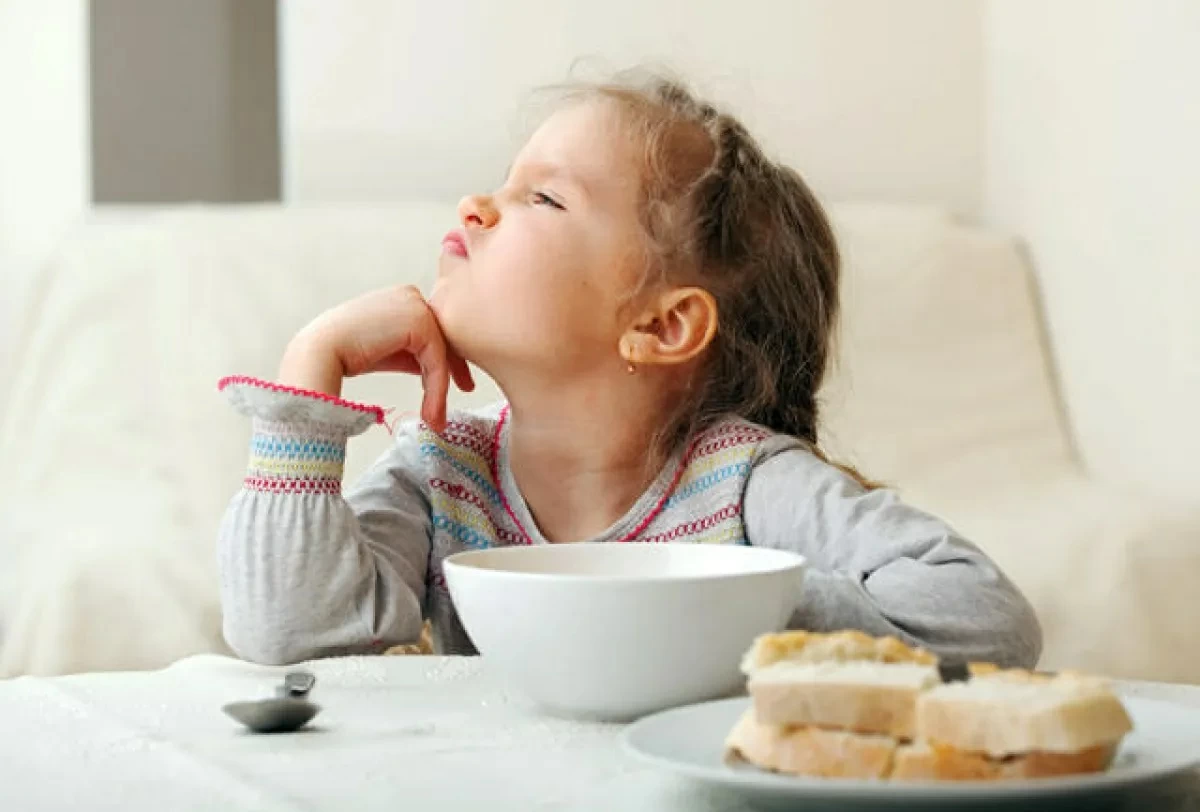
مع الارتفاع الشديد في درجات الحرارة خلال فصل الصيف، يشعر الكثير من الآباء بالقلق نتيجة تراجع شهية أطفالهم وإعراضهم عن تناول الوجبات الرئيسية مقابل الإقبال الكبير على الشرب. وتؤكد الأبحاث والمؤسسات الصحية أن هذا التغير يعد سلوكاً طبيعياً ومؤقتاً للجسد لتكيفه مع الحرارة، طالما أن الطفل يتمتع بالنشاط ولا تظهر عليه علامات الإعياء.
الجسم يرفض الطعام في الحر
عملية هضم وامتصاص الطعام تتطلب طاقة وتنتج حرارة داخلية تُعرف بـ«التأثير الحراري للطعام». وفي الأجواء الحارة، يخفض الجسم تلقائياً الرغبة في الأكل لتقليل إنتاج هذه الحرارة، مع توجيه تدفق الدم إلى الجلد لتعزيز التعرق وتبريد الجسد.
كما تظهر أبحاث تنظيم الشهية وجود تداخل مباشر بين المراكز العصبية التي تستشعر درجات الحرارة وتلك المسؤولة عن إشارات الجوع.
وتحذر هيئة الخدمات الصحية الوطنية البريطانية (NHS) من نوعية السوائل المقدمة للطفل، فبينما يظل الماء الخيار المثالي والضروري طوال اليوم، فإن الإفراط في تقديم:
- الحليب والعصائر
- المشروبات السكرية الغنية بالسعرات
يؤدي إلى منح الطفل سعرات حرارية سريعة تسد شهيته قبل الأوقات المخصصة للوجبات، وهو ما أكدته أبحاث على أطفال بين 4 و7 سنوات أظهرت تراجع تناولهم للطعام عقب استهلاك مشروبات مرتفعة الطاقة.
متى تتطلب قلة الشهية تدخلاً طبياً؟
تستدعي قلة الشهية اهتماماً فورياً وزيارة للمختصين إذا ترافق الامتناع عن الأكل مع ظهور أعراض الجفاف أو الإعياء التالية:
- رفض شرب السوائل نهائياً أو التقيؤ المتكرر.
- الخمول الشديد والنعاس غير المعتاد.
- قلة التبول بشكل ملحوظ مع جفاف الفم وغياب الدموع أثناء البكاء.
- استمرار فقدان الشهية بعد انقضاء موجة الحر مع ملاحظة انخفاض الوزن.
وينبه الأطباء إلى أن ارتفاع حرارة الجسم الشديد، المصحوب بالتشنجات، أو سرعة التنفس، أو الارتباك، أو فقدان الوعي، يعد مؤشراً لـ«ضربة شمس» ويتطلب إسعافاً طبياً عاجلاً بدون تأخير. ويبقى المعيار الأساسي للاطمئنان على طفلك في الصيف لا يقاس بانتهاء طبقه من الطعام، بل بمراقبة الصورة الكاملة المتمثلة في نشاطه، وترطيب جسمه، وتبوله الطبيعي.
With the extreme rise in temperatures during the summer, many parents feel concerned due to their children's decreased appetite and reluctance to eat main meals, in contrast to their increased desire to drink. Research and health institutions confirm that this change is a natural and temporary behavior of the body to adapt to the heat, as long as the child remains active and shows no signs of fatigue.
The Body Rejects Food in the Heat
The process of digesting and absorbing food requires energy and produces internal heat known as the "thermic effect of food." In hot weather, the body automatically reduces the desire to eat to minimize the production of this heat, while directing blood flow to the skin to enhance sweating and cool the body.
Research on appetite regulation shows a direct overlap between the neural centers that sense temperature and those responsible for hunger signals.
The British National Health Service (NHS) warns about the types of fluids provided to children, as while water remains the ideal and necessary choice throughout the day, excessive provision of:
- milk and juices
- calorie-rich sugary drinks
leads to giving the child quick calories that suppress their appetite before mealtime, which has been confirmed by research on children aged 4 to 7 years showing a decrease in their food intake after consuming high-energy drinks.
When Does a Decreased Appetite Require Medical Intervention?
A decreased appetite requires immediate attention and a visit to specialists if the refusal to eat is accompanied by the following signs of dehydration or fatigue:
- Complete refusal to drink fluids or repeated vomiting.
- Severe lethargy and unusual drowsiness.
- Significantly reduced urination with dry mouth and absence of tears while crying.
- Continued loss of appetite after the heat wave with noticeable weight loss.
Doctors warn that a significant rise in body temperature, accompanied by convulsions, rapid breathing, confusion, or loss of consciousness, is an indicator of "heat stroke" and requires urgent medical assistance without delay. The primary criterion for ensuring your child's well-being in the summer is not measured by the empty plate of food, but by observing the overall picture represented by their activity, body hydration, and normal urination.