على عمق أمتار قليلة تحت مياه البحر الأدرياتيكي الهادئة قبالة جزيرة «مليت» الكرواتية، انتهت واحدة من أطول رحلات البحث الأثري بالإعلان عن مفاجأة هزت أوساط علم الآثار البحرية. فالغواصون الذين نزلوا لمعاينة الموقع لم يتوقعوا أنهم على وشك وضع أيديهم على أضخم حمولة ذهبية يُعثر عليها في تاريخ اكتشافات البحر الأبيض المتوسط.
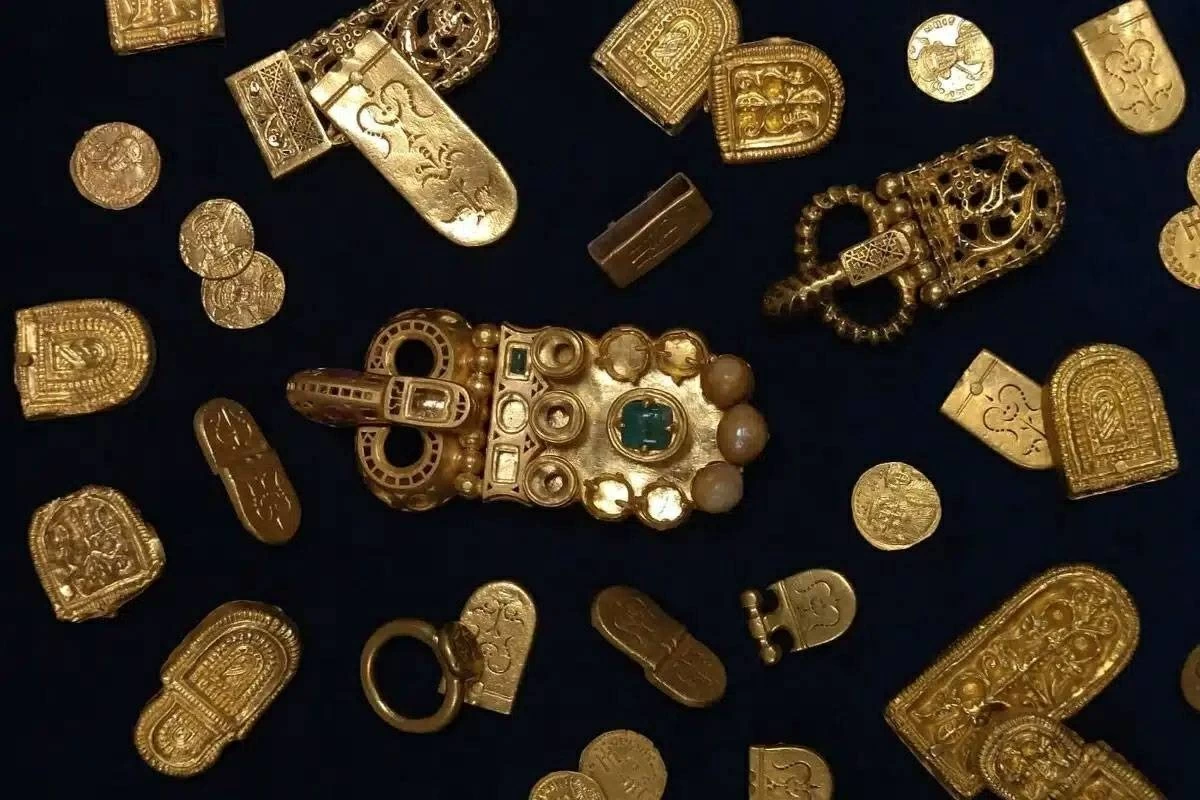
قصة هذه الثروة بدأت تتكشف خيوطها تدريجياً مع أبحاث المعهد الكرواتي للحفظ، حيث تبين أن السفينة الغارقة تنتمي للعهد البيزنطي (بين القرنين السابع والثامن الميلاديين). ولم تكن مجرد ناقلة بضائع تقليدية، بل كانت أشبه بـ«خزينة إمبراطورية عائمة» تضم عملات نادرة من الذهب الخالص، وأحزمة ملكية مرصعة بالزمرد والياقوت واللؤلؤ، إضافة إلى خاتم ذهبي نادِر يتتبع الأثريون خيوط نقوشه لربطه بعهد الإمبراطور البيزنطي «هرقل».
تأتي أهمية هذا الاكتشاف وسط المقبرة البحرية المحيطة بالجزيرة (التي تضم أكثر من 20 سفينة غارقة على مدار 2500 عام) لتعيد طرح سؤال معقد أربك الباحثين: ماذا كانت تفعل كل هذه الثروة على متن سفينة واحدة؟
ويتضاعف الغموض عندما نعلم أن الكنز الوفير كان مخبأً إلى جانب بضائع بسيطة جداً كالأواني الفخارية وجرار التخزين وحتى ألعاب الأطفال. هذا التناقض الصارخ يدفع الخبراء إلى الترجيح بأن السفينة كانت تحمل بعثة سرية أو هدايا سياسية رفيعة المستوى متجهة لشخصية فائقة النفوذ في المنطقة، قبل أن تنتهي الرحلة بكارثة غير متوقعة وتستقر الحمولة في قاع البحر لأكثر من 1300 عام.
At a depth of just a few meters beneath the calm waters of the Adriatic Sea off the Croatian island of "Mljet," one of the longest archaeological search missions concluded with the announcement of a surprise that shook the marine archaeology community. The divers who descended to inspect the site did not expect that they were about to lay their hands on the largest gold cargo ever discovered in the history of Mediterranean finds.
The story of this treasure began to gradually unfold with research from the Croatian Institute for Conservation, revealing that the sunken ship dates back to the Byzantine era (between the 7th and 8th centuries AD). It was not just a traditional cargo vessel; it resembled a "floating imperial treasury" containing rare coins made of pure gold, royal belts adorned with emeralds, rubies, and pearls, in addition to a rare gold ring that archaeologists are tracing the engravings of to link it to the reign of the Byzantine Emperor "Heraclius."
The significance of this discovery, amidst the underwater graveyard surrounding the island (which includes more than 20 sunken ships over 2500 years), raises a complex question that has puzzled researchers: What was all this wealth doing on a single ship?
The mystery deepens when we learn that the abundant treasure was hidden alongside very simple goods such as pottery and storage jars, and even children's toys. This stark contradiction leads experts to suggest that the ship was carrying a secret mission or high-level political gifts destined for a highly influential figure in the region, before the journey ended in an unexpected disaster, leaving the cargo resting on the seabed for over 1300 years.