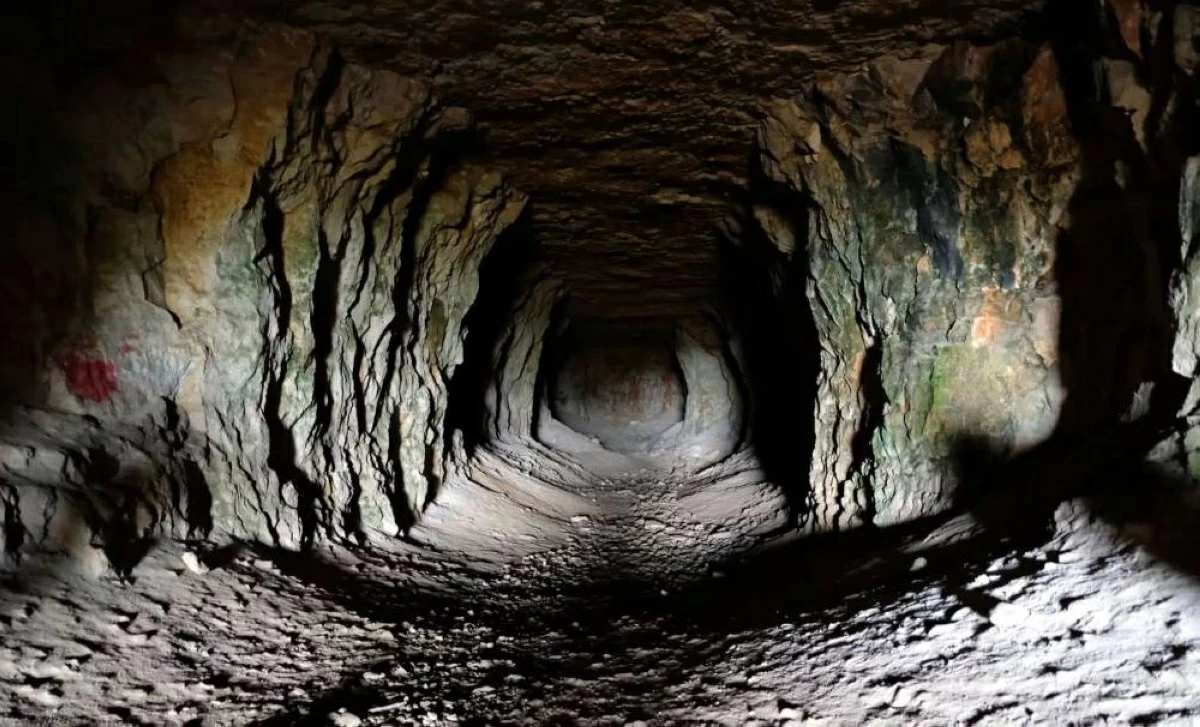
تصوّر مكاناً ظلت أبوابه مغلقة تماماً أمام العالم الخارجي منذ 5.5 مليون سنة، حيث لا وجود للشمس، والأكسجين نادِرٌ ومختنق، بينما تفوح الجدران بتركيزات عالية من الغازات السامة. هذا ليس مشهداً من فيلم سينمائي عن كوكب فضائي، بل هو الواقع الصادم داخل «كهف موفيل» الروماني، المكان الذي حطّم المفاهيم العلمية حول حدود الحياة.
عندما وصل الباحثون إلى أعماق هذا الكهف المعزول، فوجئوا بنظام بيئي كامل ومتكامل يعيش في ظلام دامس، دون أن يعتمد مطلقاً على أشعة الشمس التي تشكل أساس السلسلة الغذائية على كوكبنا. فبدلاً من النباتات والبناء الضوئي، ابتكرت الطبيعة طريقة معقدة تُعرف بـ«البناء الكيميائي»، حيث تتغذى بكتيريا متخصصة على مركبات كبريتيد الهيدروجين والميثان والأمونيوم، لتُنتج الطاقة وتحول جدران الكهف إلى بساط ميكروبي يُغذي باقي الكائنات.
البيئة المظلمة شديدة الرطوبة، والتي ينخفض فيها الأكسجين إلى ثلث مستواه على السطح، أجبرت سكان الكهف على خوض رحلة تطور غريبة، إذ سجل العلماء وجود عشرات الأنواع الفريدة من العناكب، والعقارب المائية، والديدان، والقشريات التي لا توجد في أي مكان آخر على وجه الأرض. ولأن الضوء غائب تماماً، تخلت هذه المخلوقات تدريجياً عن عيونها وألوان أجسادها لتصبح شاحبة أو شبه شفافة، مستعيضة عن الأبصار بأجهزة استشعار لمسية وكيميائية فائقة الدقة.
ولعل أكثر ما أثار ذهول المجتمع العلمي ليس فقط الحريش المفترس الذي يتصدر قمة الهرم الغذائي في الكهف، بل الدلالات الفضائية لهذا الاكتشاف، فكهف موفيل يقدم نموذجاً حياً لإمكانية نشوء واستمرار الحياة في أكثر البيئات ظلاماً وقسوة، مما يعزز فرضيات العلماء حول إمكانية وجود حياة ميكروبية أو معقدة تحت المحيطات الجليدية المغطاة لأقمار بعيدة مثل «إنسيلادوس» و«أوروبا»، ليثبت أن الحياة تجد طريقها دائماً.. حتى بدون شمس.
Imagine a place where its doors have been completely closed to the outside world for 5.5 million years, where there is no sunlight, and oxygen is scarce and suffocating, while the walls exude high concentrations of toxic gases. This is not a scene from a sci-fi movie about an alien planet, but the shocking reality inside the Romanian "Movile Cave," a place that has shattered scientific concepts about the limits of life.
When researchers reached the depths of this isolated cave, they were surprised to find a complete and integrated ecosystem living in total darkness, without ever relying on sunlight, which forms the basis of the food chain on our planet. Instead of plants and photosynthesis, nature has devised a complex method known as "chemosynthesis," where specialized bacteria feed on hydrogen sulfide, methane, and ammonium compounds to produce energy, turning the cave walls into a microbial carpet that nourishes the rest of the organisms.
The dark, highly humid environment, where oxygen levels drop to a third of their surface levels, forced the cave's inhabitants to undergo a strange evolutionary journey, as scientists recorded the presence of dozens of unique species of spiders, water scorpions, worms, and crustaceans that are found nowhere else on Earth. And because light is completely absent, these creatures gradually abandoned their eyes and body colors to become pale or nearly transparent, replacing sight with highly sensitive tactile and chemical sensors.
Perhaps what astonished the scientific community the most is not just the predatory millipede that tops the food chain in the cave, but the extraterrestrial implications of this discovery, as Movile Cave provides a living model for the possibility of life emerging and persisting in the darkest and harshest environments, reinforcing scientists' hypotheses about the potential for microbial or complex life beneath the icy oceans covering distant moons like "Enceladus" and "Europa," proving that life always finds a way... even without the sun.