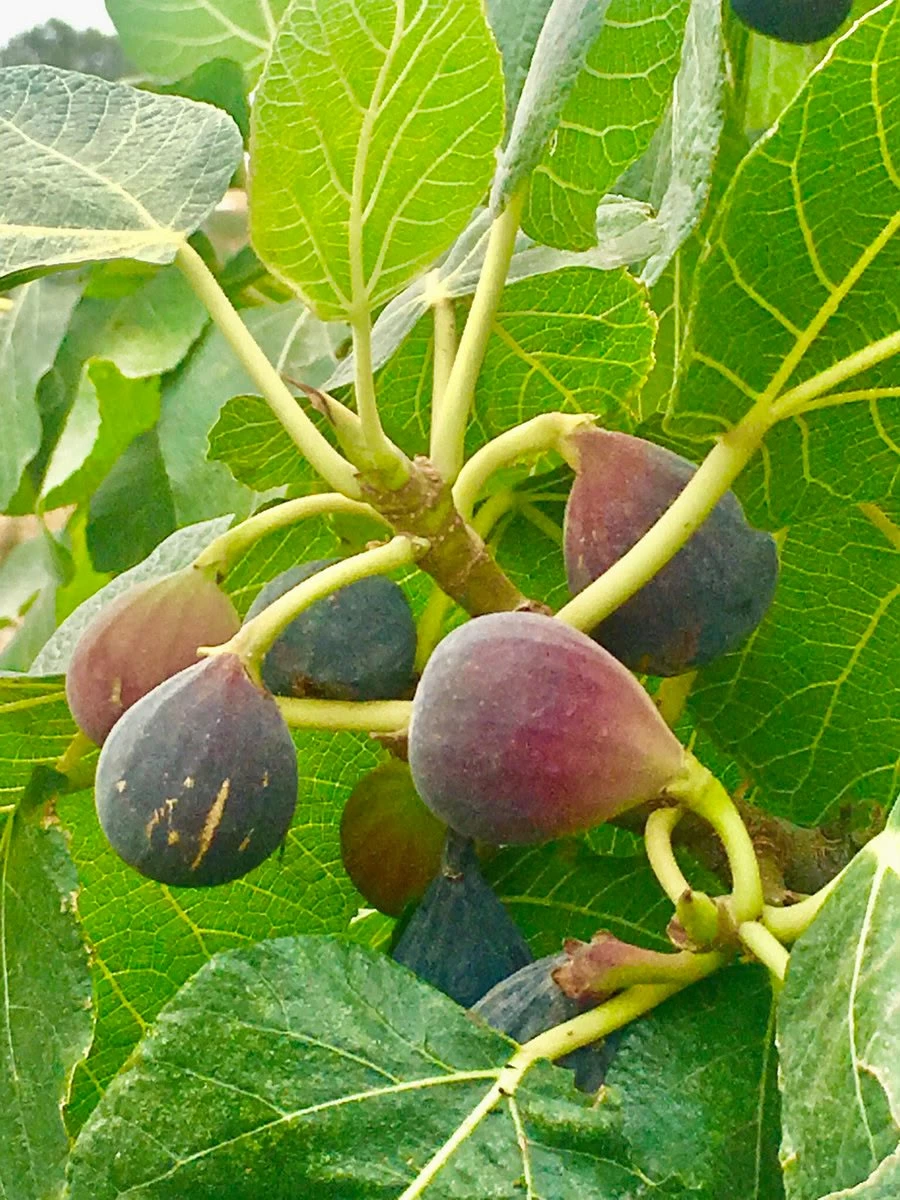
في مزارع النماص ومدرجاتها الزراعية، تتدلى ثمار التين الناضجة معلنة موسم القطاف، بعد أشهر من العناية والمتابعة، ويجد المحصول طريقه من أغصان الأشجار إلى موائد الأهالي والأسواق المحلية، محتفظًا بمكانته بين الفواكه الموسمية التي عُرفت بها مزارع المحافظة. ويجد التين في طبيعة النماص الجبلية ومناخها المعتدل بيئة مناسبة للنمو، إذ تنتشر أشجاره في عدد من المزارع وبين المدرجات الزراعية، إلى جانب الأشجار التي زرعها الأهالي بالقرب من منازلهم، وظلت تنتج ثمارها عامًا بعد آخر.
موسم ينتظره الأهالي
يبدأ المزارعون في جني الثمار مع اكتمال نضجها، ويحتاج التين إلى متابعة مستمرة خلال هذه الفترة، إذ تُقطف الثمار الناضجة تباعًا، فيما تبقى الثمار الأخرى على الأشجار حتى يكتمل نضجها. ويتزامن موسم التين مع فصل الصيف، الذي يشهد حضورًا كبيرًا للزوار والمصطافين في النماص، ما يرفع الطلب على المنتجات الزراعية المحلية، ويمنح المزارعين فرصة لتسويق إنتاجهم مباشرة في الأسواق ومنافذ البيع. ويتميز التين المحلي بوصوله إلى المستهلك طازجًا بعد قطفه، ويعرض المزارعون إنتاجهم خلال الموسم بكميات متفاوتة، بحسب حجم المزرعة وعدد الأشجار والإنتاج.
وتتنوع ثمار التين في اللون والحجم والطعم، كما تختلف مواعيد نضجها من موقع إلى آخر، الأمر الذي يجعل فترة الإنتاج متفاوتة بين مزارع المحافظة.
شجرة حاضرة في كل قرية
ولا تعد شجرة التين غريبة على مزارع النماص، إذ ظلت حاضرة في كثير من المزارع القديمة، إلى جانب محاصيل وفواكه أخرى عُرفت بها المنطقة. وتتميز بقدرتها على الاستمرار والإثمار لسنوات طويلة مع العناية بها، وهو ما جعل بعض الأشجار القديمة جزءًا من المزرعة ومشهدها المعتاد. كما ارتبط التين لدى الأهالي بالاستهلاك المباشر في موسمه، فيما أصبح الاستفادة من فائض الإنتاج في التجفيف والتصنيع الغذائي، بما يطيل فترة الاستفادة من المحصول بعد انتهاء الموسم.
محصول قابل للتوسع
ويمثل الإقبال على المنتجات المحلية فرصة للتوسع في زراعة التين في النماص، خصوصًا في المزارع الصغيرة والمتوسطة، مع الاهتمام باختيار الأصناف المناسبة وتحسين طرق العناية والتعبئة والتسويق. ويمكن أن يفتح المحصول مجالًا أوسع أمام المزارعين والأسر المنتجة للاستفادة منه اقتصاديًا، سواء ببيع الثمار الطازجة أو تقديم منتجات مصنعة من التين، إضافة إلى حضوره ضمن المنتجات الزراعية التي يتعرف عليها زوار المحافظة خلال الصيف. ويظل موسم التين في النماص واحدًا من المواسم التي تعيد للمزارع حركتها في الصيف، حين تتحول الثمار الناضجة على أغصان الأشجار إلى محصول ينتظره أصحاب المزارع والأهالي، ويجد طريقه سريعًا من المدرجات الجبلية إلى الأسواق والموائد.
In the farms of Al-Namas and its agricultural terraces, ripe figs hang down, announcing the harvest season after months of care and monitoring. The crop finds its way from the branches of the trees to the tables of the locals and local markets, maintaining its status among the seasonal fruits known in the farms of the region. The fig finds in the mountainous nature of Al-Namas and its moderate climate a suitable environment for growth, as its trees spread across several farms and among the agricultural terraces, alongside the trees planted by the locals near their homes, which continue to produce their fruits year after year.
A Season Awaited by the Locals
Farmers begin to harvest the fruits as they reach full ripeness, and figs require continuous monitoring during this period, as the ripe fruits are picked successively, while the other fruits remain on the trees until they fully ripen. The fig season coincides with summer, which sees a large influx of visitors and vacationers in Al-Namas, raising the demand for local agricultural products and giving farmers the opportunity to market their produce directly in the markets and sales outlets. Local figs are characterized by reaching the consumer fresh after being picked, and farmers display their production during the season in varying quantities, depending on the size of the farm, the number of trees, and the yield.
The figs vary in color, size, and taste, and their ripening times differ from one location to another, which makes the production period vary among the farms in the region.
A Tree Present in Every Village
The fig tree is not strange to the farms of Al-Namas, as it has remained present in many old farms, alongside other crops and fruits known in the area. It is distinguished by its ability to continue producing for many years with proper care, which has made some old trees a part of the farm and its usual scene. Figs are also associated with direct consumption during their season among the locals, while benefiting from surplus production through drying and food processing, which extends the period of benefit from the crop after the season ends.
A Crop with Expansion Potential
The demand for local products represents an opportunity to expand fig cultivation in Al-Namas, especially in small and medium farms, with attention to selecting suitable varieties and improving care, packaging, and marketing methods. The crop can open a wider field for farmers and productive families to benefit economically, whether by selling fresh fruits or offering processed products made from figs, in addition to its presence among the agricultural products that visitors to the region become familiar with during the summer. The fig season in Al-Namas remains one of the seasons that revives the farms in the summer, as the ripe fruits on the branches of the trees turn into a crop awaited by the farm owners and locals, quickly finding their way from the mountainous terraces to the markets and tables.