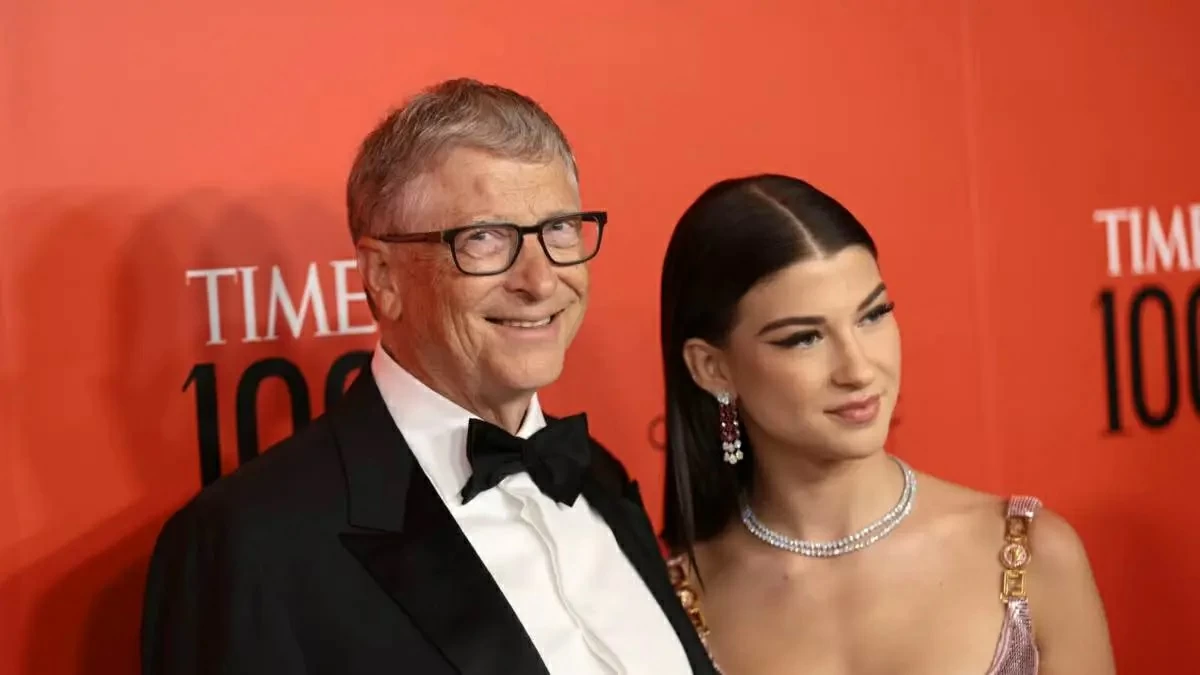
تنساب أحلام النجاح السريع أحياناً في طرق شائكة، حيث وجدت المليارديرة الشابة فيبي غيتس، ابنة مؤسس إمبراطورية «مايكروسوفت» بيل غيتس، نفسها في قلب فضيحة احتيال رقمي تقني أثارت زلزالاً مدوياً في أوساط قطاع التجارة الإلكترونية بالولايات المتحدة.
وكشف تقريرٌ استقصائي موسع نشرته شبكة «بلومبيرغ»، وتبِعته تفاصيل مثيرة في صحف غربية كبرى، عن اتهامات جنائية خطيرة تطارد شركة «فيا» الناشئة (التي أسستها فيبي غيتس برفقة شريكتها صوفيا كياني) بممارسة تقنية غير مشروعة تُعرف بـ«حشو ملفات تعريف الارتباط» (Cookie Stuffing) للسيطرة على عمولات الشراء بأساليب احتيالية.
كيف تعمل الخدعة؟
تقدم شركة «فيا» التي استقطبت استثمارات ضخمة ناهزت 30 مليون دولار من كبار الشخصيات والمشاهير مثل هايلي بيبر وكريس جينر، تطبيقاً إضافة لمتصفحات الإنترنت تُساعد المستخدمين على العثور على أكواد الخصم، وتحصل في المقابل على عمولة مالية من المتاجر الكبرى عند إتمام الشراء.
لكن التحقيقات أثبتت أن إضافة المتصفح كانت تزرع ملفات تتبع (Cookies) خفية على أجهزة المستخدمين حتى عندما لا يستخدمون خدمات الشركة نهائياً، مما يخدع المتاجر العالمية مثل «نايكي»، و«غاب»، و«نوردستروم»، ويجعلها تنسب المبيعات لشركة «فيا» زوراً، وتدفع لها عمولات خيالية دون وجه حق.
ورغم محاولات المتحدث باسم الشركة في البداية التغطية على الواقعة باعتبارها مجرد «خلل فني طارئ»، فجّرت الصحافة الغربية قنبلة مدوية بنشر تسريبات لرسائل محادثات داخلية عبر منصة Slack يعود تاريخها إلى شهر ديسمبر.
وأظهرت الرسائل أن فيبي غيتس وشريكتها صوفيا كياني كانتا على علم تام وكامل بهذه الممارسات لمدة لا تقل عن 7 أشهر قبل كشفها علناً. بل كشفت التسريبات أن كياني اقترحت صراحة زرع «الكوكيز» حتى لو أغلق المستخدم النافذة، معلقة في إحدى الرسائل: «يمكننا الادعاء بأن المستخدم كان يحاول فتح التطبيق، ونقوم بالتراجع إذا اشتكوا».
انهيار الإيرادات وعقوبات مشددة
كشفت التقارير التقنية أن الممارسات الملتوية كانت تشكل أكثر من 50% من إجمالي أرباح الشركة. وفور كشف القضية وتعطيل تلك الخصائص في يوليو، انهارت الإيرادات اليومية للشركة بشكل درامي من متوسط 80 ألف دولار يومياً إلى نحو 10 آلاف دولار فقط، وسط قيام شبكات تسويق كبرى مثل (Impact.com) بتجميد حسابات الشركة.
لكن الجانب الأكثر خطورة الذي تساءلت عنه الصحف الغربية يتعلق بالمصير القانوني لفيبي غيتس، إذ ينص القانون الفيدرالي الأمريكي على تصنيف ممارسة «حشو الكوكيز» كنوع من «الاحتيال الإلكتروني المالي» (Federal Wire Fraud)، وهي جريمة تعاقب عليها المحاكم الفيدرالية بعقوبات مشددة قد تصل إلى السجن لمدة 20 عاماً، إلى جانب غرامات مالية وتعويضات ضخمة للشركات المتضررة.
ورغم استماتة إدارة «فيا» لإعادة العمولات المسروقة وتعيين مسؤول مستقل للامتثال في محاولة لتدارك الأزمة، إلا أن الضربة القاضية طالت سمعة ابنة بيل غيتس، التي كانت تسعى لإثبات ذاتها في عالم الأعمال بعيداً عن جلباب والدها وثروته.
The dreams of rapid success sometimes flow through thorny paths, as young billionaire Phoebe Gates, daughter of Microsoft founder Bill Gates, found herself at the center of a digital fraud scandal that has caused a massive earthquake in the U.S. e-commerce sector.
An extensive investigative report published by Bloomberg, followed by exciting details in major Western newspapers, revealed serious criminal allegations against the startup "Via" (which Phoebe Gates co-founded with her partner Sofia Kiani) for engaging in an illegal technique known as "Cookie Stuffing" to fraudulently control purchase commissions.
How does the scam work?
The company "Via," which attracted massive investments nearing $30 million from celebrities and prominent figures like Hailey Bieber and Kris Jenner, offers a browser extension that helps users find discount codes, and in return, earns a financial commission from major retailers upon completing a purchase.
However, investigations proved that the browser extension was secretly planting tracking cookies on users' devices even when they were not using the company's services at all, deceiving global retailers like Nike, Gap, and Nordstrom, making them falsely attribute sales to "Via" and pay it exorbitant commissions unjustly.
Despite the company's spokesperson's initial attempts to cover up the incident as merely a "temporary technical glitch," Western media detonated a bombshell by publishing leaks of internal chat messages via Slack dating back to December.
The messages revealed that Phoebe Gates and her partner Sofia Kiani were fully aware of these practices for at least 7 months before they were publicly exposed. The leaks even revealed that Kiani explicitly suggested planting the cookies even if the user closed the window, commenting in one message: "We can claim that the user was trying to open the app, and we can backtrack if they complain."
Revenue Collapse and Severe Penalties
Technical reports revealed that the twisted practices constituted more than 50% of the company's total profits. Once the case was uncovered and those features were disabled in July, the company's daily revenue dramatically collapsed from an average of $80,000 per day to just about $10,000, amid major marketing networks like Impact.com freezing the company's accounts.
However, the more serious aspect that Western newspapers questioned concerns the legal fate of Phoebe Gates, as U.S. federal law classifies the practice of "Cookie Stuffing" as a form of "financial electronic fraud" (Federal Wire Fraud), a crime punishable by federal courts with severe penalties that could reach up to 20 years in prison, along with hefty fines and substantial compensation for the affected companies.
Despite "Via's" management's desperate attempts to return the stolen commissions and appoint an independent compliance officer in an effort to mitigate the crisis, the fatal blow has impacted the reputation of Bill Gates' daughter, who was striving to establish herself in the business world away from her father's shadow and wealth.