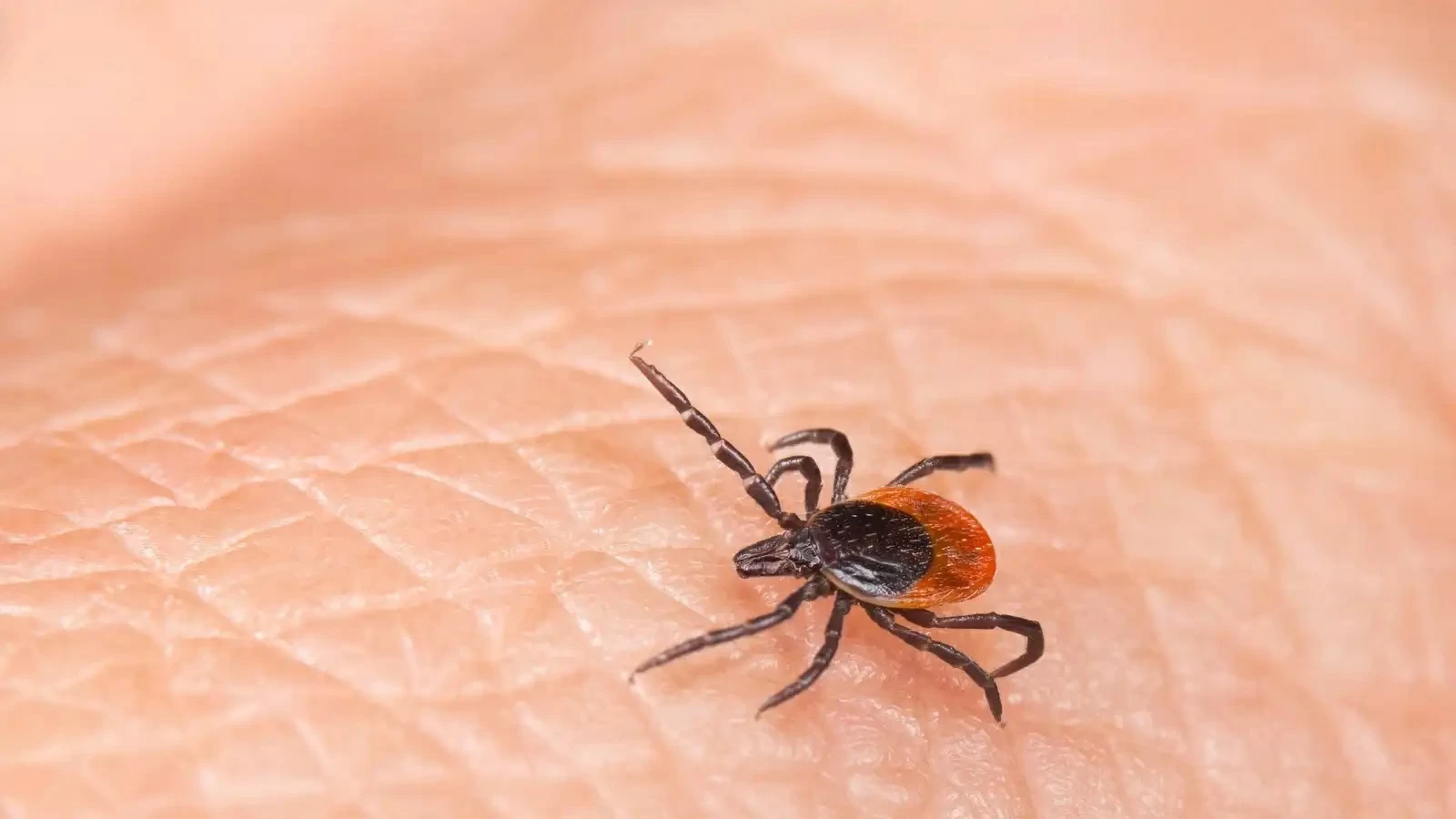
لم يكن حارس الأمن التركي آدم كوكتشو (48 عاماً) يتخيل أن بنيته الجسدية القوية لن تسعفه أمام كائن لا يتعدى حجمه بضعة مليمترات. فخلال 72 ساعة فقط، تحولت لدغة حشرة عابرة أثناء وجوده في إحدى المناطق الريفية بمحافظة «توكات» بشمال تركيا إلى مأساة صحية أنهت حياته بشكل مباغت.
بدأت الكارثة بظهور أعراض المفاجئة المتمثلة في ارتفاع حاد درجة حرارة جسده وجمجمته، ليُنقل على إثرها إلى مستشفى محلي. ورغم محاولات التدخل الطبي ونقله إلى مركز متقدم، إلا أن حالته شهدت تدهوراً دراماتيكياً سريعاً فارق على إثره الحياة، وسط ذهول زملائه والأطباء المشرفين على حالته.
ورجحت التحليلات الطبية إصابة رجل الأمن بـ«حمى القرم ـ الكونغو النزفية» (CCHF)، وهو فايروس نادِر وفتاك تنقله حشرات القراد المنتشرة في المراعي والأرياف. هذا الفايروس يهاجم الأوعية الدموية وأعضاء الجسم الحيوية، وتصنفه منظمة الصحة العالمية ضمن الفايروسات شديدة الخطورة، حيث تتراوح معدلات الوفيات الناجمة عن فاشياته بين 10% و40%.
هذه المأساة أعادت فتح ملف العدوى الريفية في تركيا التي تسجل سنوياً عشرات الوفيات المماثلة، خصوصا في محافظات الوسط مثل «سيفاس». وما يزيد الأمر خطورة هو عدم وجود أي لقاح مرخص أو علاج موجه لهذا الفايروس حتى الآن لا للإنسان ولا للحيوان، لتظل الوقاية وتجنب لدغات القراد هي الخط الدفاعي الوحيد أمام هذا الخطر الصامت.
The Turkish security guard Adam Koçtuş (48 years old) never imagined that his strong physique would not save him from a creature no larger than a few millimeters. In just 72 hours, a bite from a passing insect while he was in a rural area of the Tokat province in northern Turkey turned into a health tragedy that ended his life abruptly.
The disaster began with the sudden onset of symptoms characterized by a sharp rise in his body temperature and skull, leading to his transfer to a local hospital. Despite attempts at medical intervention and his transfer to an advanced center, his condition deteriorated dramatically, and he passed away, leaving his colleagues and the doctors overseeing his case in shock.
Medical analyses suggested that the security guard was infected with "Crimean-Congo Hemorrhagic Fever" (CCHF), a rare and deadly virus transmitted by ticks found in pastures and rural areas. This virus attacks blood vessels and vital organs of the body, and the World Health Organization classifies it among the highly dangerous viruses, with mortality rates from its outbreaks ranging between 10% and 40%.
This tragedy has reopened the file on rural infections in Turkey, which records dozens of similar deaths annually, especially in central provinces like Sivas. What makes the situation more dangerous is the lack of any licensed vaccine or targeted treatment for this virus, neither for humans nor for animals, leaving prevention and avoidance of tick bites as the only line of defense against this silent threat.