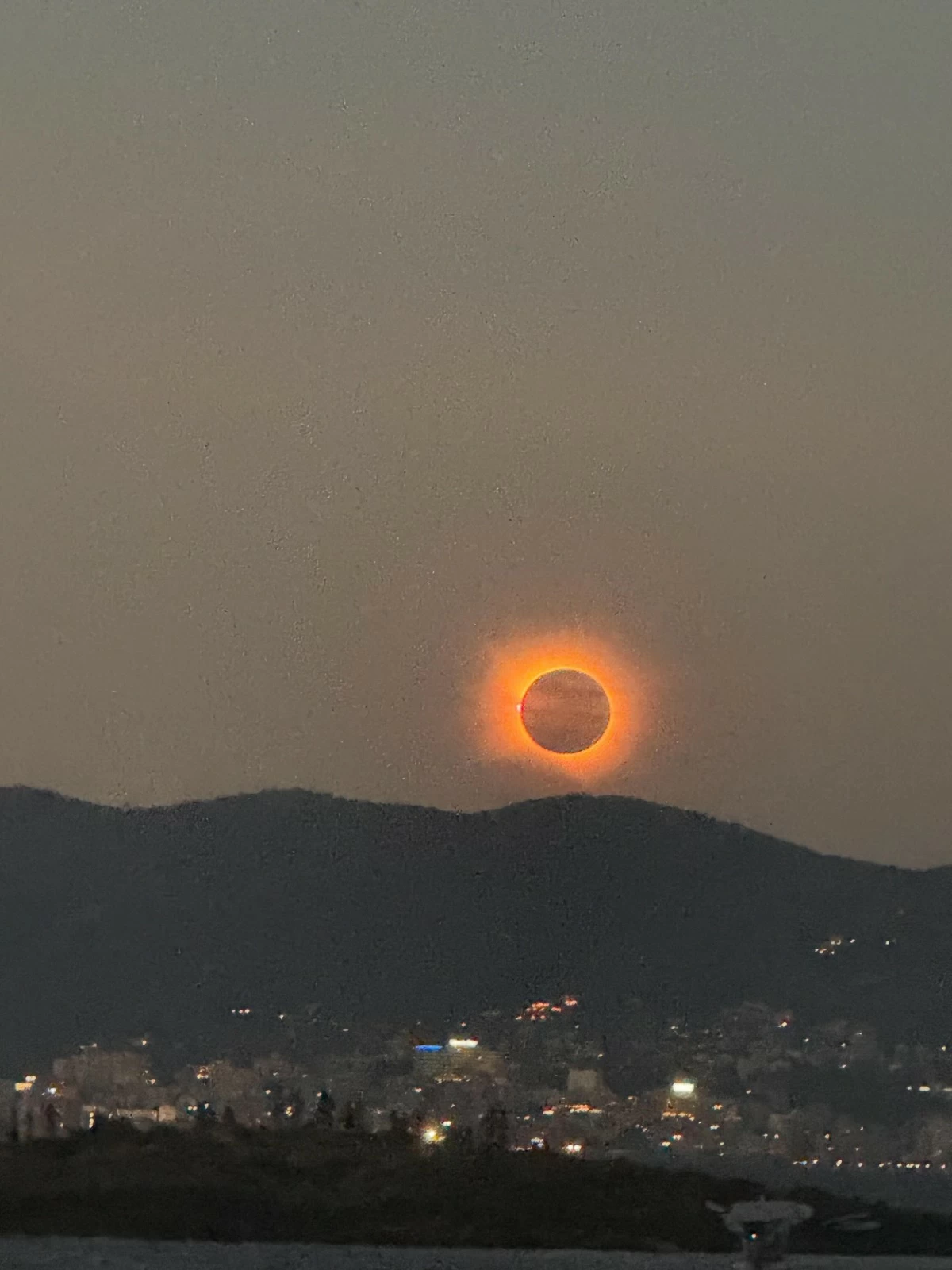
أفاد موقع «Infobae» الإخباري بأن أكثر من 530 شخصا في إسبانيا اضطروا إلى طلب المساعدة الطبية عقب كسوف الشمس الكلي الذي شهدته البلاد مساء 12 أغسطس الجاري، وسط إقبال واسع من المواطنين على متابعة الظاهرة الفلكية النادرة.
وأوضح الموقع أن حالات طلب الرعاية الطبية سجلت في 11 إقليما ذاتيا، مشيرا إلى أن الشكاوى تمحورت بصورة أساسية حول الشعور بعدم الارتياح في العينين، وذلك عقب مشاهدة الكسوف.
ونقل الموقع أن «أكثر من 530 شخصا اضطروا إلى طلب المساعدة الطبية في 11 إقليما ذاتيا بعد كسوف الشمس الكامل».
ويأتي ذلك في أعقاب ظاهرة فلكية حظيت باهتمام واسع في إسبانيا وأجزاء كبيرة من أوروبا، بعدما شهد نصف الكرة الشمالي كسوفا كليا للشمس مساء 12 أغسطس، حيث تمكن سكان مناطق في غرينلاند وآيسلندا والبرتغال وإسبانيا من مشاهدة قرص الشمس مغطى بالكامل بالقمر خلال ذروة الكسوف.
وفي عدد من المدن الكبرى في أوروبا الغربية، تراوحت نسبة احتجاب قرص الشمس بين نحو 85 و95%، ما أتاح لملايين الأشخاص فرصة مشاهدة ظاهرة فلكية استثنائية.
ويعد هذا الكسوف الكلي للشمس الأول الذي يمكن مشاهدته من مناطق في أوروبا القارية منذ عام 1999، الأمر الذي ساهم في تحويله إلى حدث جماهيري واسع، مع تجمع أعداد كبيرة من المواطنين والسياح في المناطق التي كانت ضمن مسار الكسوف الكلي.
ويحذر المختصون عادة من النظر مباشرة إلى الشمس أثناء الكسوف من دون استخدام وسائل الحماية المناسبة، إذ إن أشعة الشمس قد تلحق أضرارا بشبكية العين حتى في الوقت الذي يبدو فيه جزء كبير من قرص الشمس محجوبا، وقد لا تظهر بعض الأضرار فورا.
ويُعرف الضرر الذي قد يصيب العين نتيجة النظر المباشر إلى الشمس باسم «اعتلال الشبكية الشمسي»، ويمكن أن يؤدي في بعض الحالات إلى اضطرابات في الرؤية أو ظهور بقع في مجال الإبصار، ما يجعل استخدام نظارات الكسوف المعتمدة أو وسائل المشاهدة الآمنة أمرا ضروريا خلال مثل هذه الظواهر.
وتبرز الحالات المسجلة في إسبانيا أهمية الالتزام بإرشادات السلامة عند متابعة الكسوفات الشمسية، خصوصا مع تزايد الاهتمام الجماهيري بهذه الظواهر النادرة.
The news site "Infobae" reported that more than 530 people in Spain had to seek medical assistance following the total solar eclipse that the country experienced on the evening of August 12, amid widespread public interest in observing the rare astronomical phenomenon.
The site explained that cases of seeking medical care were recorded in 11 autonomous communities, noting that the complaints primarily revolved around discomfort in the eyes after viewing the eclipse.
The site conveyed that "more than 530 people had to seek medical assistance in 11 autonomous communities after the total solar eclipse."
This comes in the wake of an astronomical phenomenon that garnered significant attention in Spain and large parts of Europe, as the northern hemisphere witnessed a total solar eclipse on the evening of August 12, where residents in areas of Greenland, Iceland, Portugal, and Spain were able to see the sun completely covered by the moon during the peak of the eclipse.
In several major cities in Western Europe, the percentage of the sun's disk obscured ranged between about 85% and 95%, providing millions of people with the opportunity to witness an extraordinary astronomical event.
This total solar eclipse is the first that can be viewed from areas in continental Europe since 1999, which contributed to its transformation into a large public event, with large numbers of citizens and tourists gathering in areas that were within the path of the total eclipse.
Experts usually warn against looking directly at the sun during an eclipse without using appropriate protective measures, as sunlight can cause damage to the retina even when a large part of the sun's disk appears obscured, and some damage may not be immediately apparent.
The damage that can occur to the eye as a result of looking directly at the sun is known as "solar retinopathy," and it can, in some cases, lead to vision disturbances or the appearance of spots in the field of vision, making the use of certified eclipse glasses or safe viewing methods essential during such phenomena.
The recorded cases in Spain highlight the importance of adhering to safety guidelines when observing solar eclipses, especially with the increasing public interest in these rare phenomena.