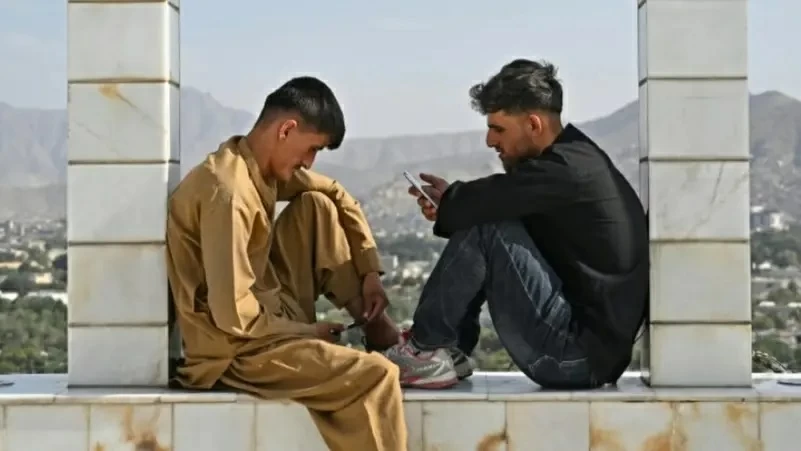
تخيل أن تدخل قاعتك الجامعية غداً، لتكتشف أن بوابتك الوحيدة للبحث والذكاء الاصطناعي وتدوين المحاضرات قد أصبحت جريمة تعاقب عليها إدارة الجامعة!
هذا السيناريو الدرامي ليس مجرد افتراض، بل تحول إلى واقع حقيقي يعيشه آلاف الطلاب في أفغانستان، بعدما امتدت قرارات حركة طالبان لتصل إلى عمق مدرجات التعليم العالي، مجبرة الجميع على وضع هواتفهم الذكية عند البوابات الخارجية.
بات المشهد داخل الجامعات الأفغانية مشحوناً بذهول مفاجئ، ففي جامعة هرات، أُلصقت أوراق التحذير على الجدران بلهجة حاسمة: «من يُضبط بحوزته هاتف ذكي داخل الحرم أو السكن الطلابي سيعاقب فوراً». وفي كابول ومزار شريف، كان المشهد أكثر إرباكاً حين دخل الموظفون القاعات ليعلنوا قطع صلة الطلاب بالعالم الرقمي بقرار لا يقبل النقاش.
أعاد هذا القرار الشامل عقارب الساعة إلى الوراء بشكل مفاجئ، وقسم الشارع الطلابي إلى معسكرين بين الذهول والتأييد:
- فريق يصرخ من العزلة: طلاب يجدون أنفسهم اليوم عاجزين عن التقاط صورة للوح الشرح، أو مراجعة ملخص إلكتروني، أو حتى الوصول لأدوات الذكاء الاصطناعي التي اختصرت سنوات من البحث العلمي. وبدلاً من جلب هاتف خفيف في الجيب، بات عليهم حمل أكياس ثقيلة ممتلئة بالكتب الورقية، في ظل عجز معظمهم عن شراء أجهزة كمبيوتر محمولة.
- وفريق يمتدح «الهدوء الإجباري»: على الجانب الآخر، ظهرت مفاجأة غير متوقعة، حيث كشف طلاب ارتفاع درجاتهم الأكاديمية بنسب ملحوظة بعد الحظر! بالنسبة لهؤلاء، أزال القرار تشتيت شبكات التواصل الاجتماعي، وأنهى مقاطعة الاتصالات للمحاضرات، مما أجبرهم على التركيز المباشر مع الأساتذة.
وبينما تبدي بعثة الأمم المتحدة قلقها البالغ من تزايد خنق حرية الوصول للمعلومات والتكنولوجيا، يجد الطالب الأفغاني نفسه بين مطرقة الحرمان التقني وسندان المحافظة على مستقبله الأكاديمي، في تجربة فريدة يُحبس فيها التطور الرقمي خلف أسوار الجامعات.
Imagine walking into your university hall tomorrow, only to discover that your sole gateway to research, artificial intelligence, and lecture notes has become a crime punishable by the university administration!
This dramatic scenario is not just a hypothesis; it has turned into a harsh reality for thousands of students in Afghanistan, as the Taliban's decisions have reached deep into the halls of higher education, forcing everyone to leave their smartphones at the external gates.
The scene inside Afghan universities has become charged with sudden astonishment. At Herat University, warning papers were plastered on the walls with a decisive tone: “Anyone caught with a smartphone inside the campus or student housing will be punished immediately.” In Kabul and Mazar-i-Sharif, the scene was even more bewildering as staff entered the halls to announce the severing of students' ties to the digital world with a non-negotiable decree.
This sweeping decision has abruptly turned back the clock, dividing the student body into two camps between shock and support:
- A team crying out from isolation: Students find themselves today unable to take a picture of the blackboard, review an electronic summary, or even access artificial intelligence tools that have condensed years of scientific research. Instead of carrying a lightweight phone in their pocket, they now have to lug heavy bags filled with paper books, as most of them cannot afford to buy laptops.
- And a team praising the “forced calm”: On the other side, an unexpected surprise emerged, as students reported significant increases in their academic grades after the ban! For these students, the decision removed the distractions of social media and ended the interruption of communications during lectures, forcing them to focus directly on their professors.
While the United Nations mission expresses its deep concern over the increasing suffocation of access to information and technology, the Afghan student finds themselves caught between the hammer of technological deprivation and the anvil of preserving their academic future, in a unique experience where digital progress is imprisoned behind the walls of universities.