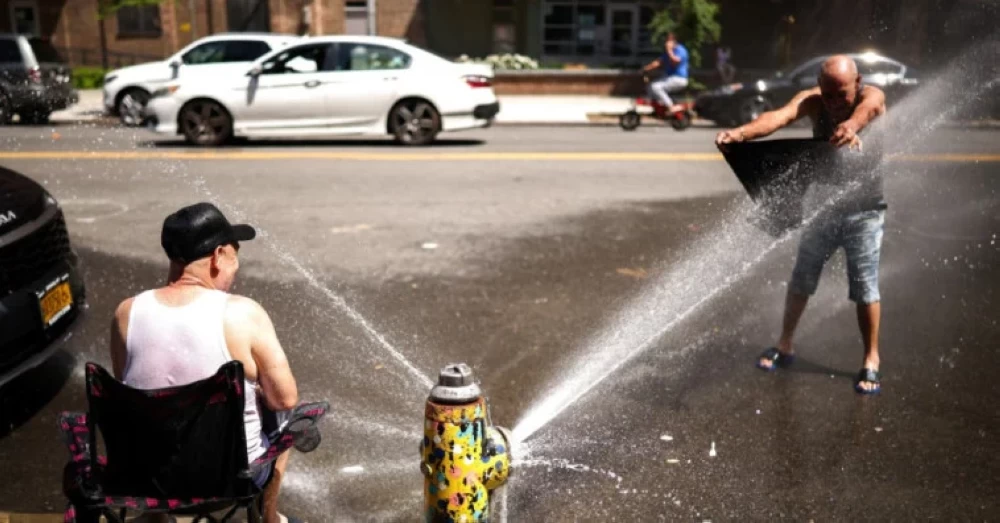
حذرت المنظمة العالمية للأرصاد الجوية التابعة للأمم المتحدة، اليوم (الثلاثاء)، من أن موجات الحر المفرطة باتت تحدث بوتيرة أكبر، وتزداد شدةً وطولاً واتساعاً، مع استمرار ارتفاع حرارة الكوكب نتيجة تغير المناخ.
وتشهد أجزاء من أوروبا موجة خامسة من الطقس الحار في صيف مليء بالجفاف وحرائق الغابات ودرجات حرارة قياسية.
وقال جون كينيدي، رئيس قسم المعلومات المناخية في «المنظمة العالمية للأرصاد الجوية» في مؤتمر صحافي في جنيف: «أصبحت موجات الحر الشديد أكثر تواتراً وشدة، وتستمر لفترات أطول، وتغطي مناطق أوسع بكثير مما كانت عليه في مناطق كان مناخها أكثر برودة في الماضي».
وأشار كينيدي إلى أن النمط الحالي لموجات الحر في أنحاء أوروبا، القارة التي تشهد أسرع معدل لارتفاع درجات الحرارة في العالم، يعكس التفاعل بين نمط مستمر من الضغط المرتفع في نصف الكرة الشمالي ومناخ أدفأ.
ويعمل الضغط المرتفع على احتجاز الهواء الدافئ، وتقليل الغطاء السحابي، ومنع دخول الهواء الأبرد، مما يسمح بحبس الحرارة فوق مناطق واسعة لعدة أيام أو أسابيع. وأضاف أن ظاهرة النينيو، وهي نمط مناخي طبيعي يؤدي عادة إلى ارتفاع درجات حرارة الكوكب، لم تسهم في موجة الحرارة التي تشهدها أوروبا هذا العام لأن الظروف في منطقة المحيط الهادئ الاستوائية محايدة حالياً.
The World Meteorological Organization, a United Nations agency, warned today (Tuesday) that extreme heatwaves are occurring more frequently, becoming more intense, longer-lasting, and more widespread, as the planet continues to warm due to climate change.
Parts of Europe are experiencing a fifth wave of hot weather in a summer filled with drought, wildfires, and record temperatures.
John Kennedy, head of the climate information department at the World Meteorological Organization, said at a press conference in Geneva: “Severe heatwaves have become more frequent and intense, lasting longer and covering much wider areas than they used to in regions that had cooler climates in the past.”
Kennedy pointed out that the current pattern of heatwaves across Europe, the continent experiencing the fastest rate of temperature rise in the world, reflects the interaction between a persistent high-pressure system in the Northern Hemisphere and a warmer climate.
The high pressure traps warm air, reduces cloud cover, and prevents cooler air from entering, allowing heat to be trapped over large areas for several days or weeks. He added that the El Niño phenomenon, a natural climate pattern that usually leads to rising global temperatures, did not contribute to the heatwave affecting Europe this year because conditions in the tropical Pacific are currently neutral.