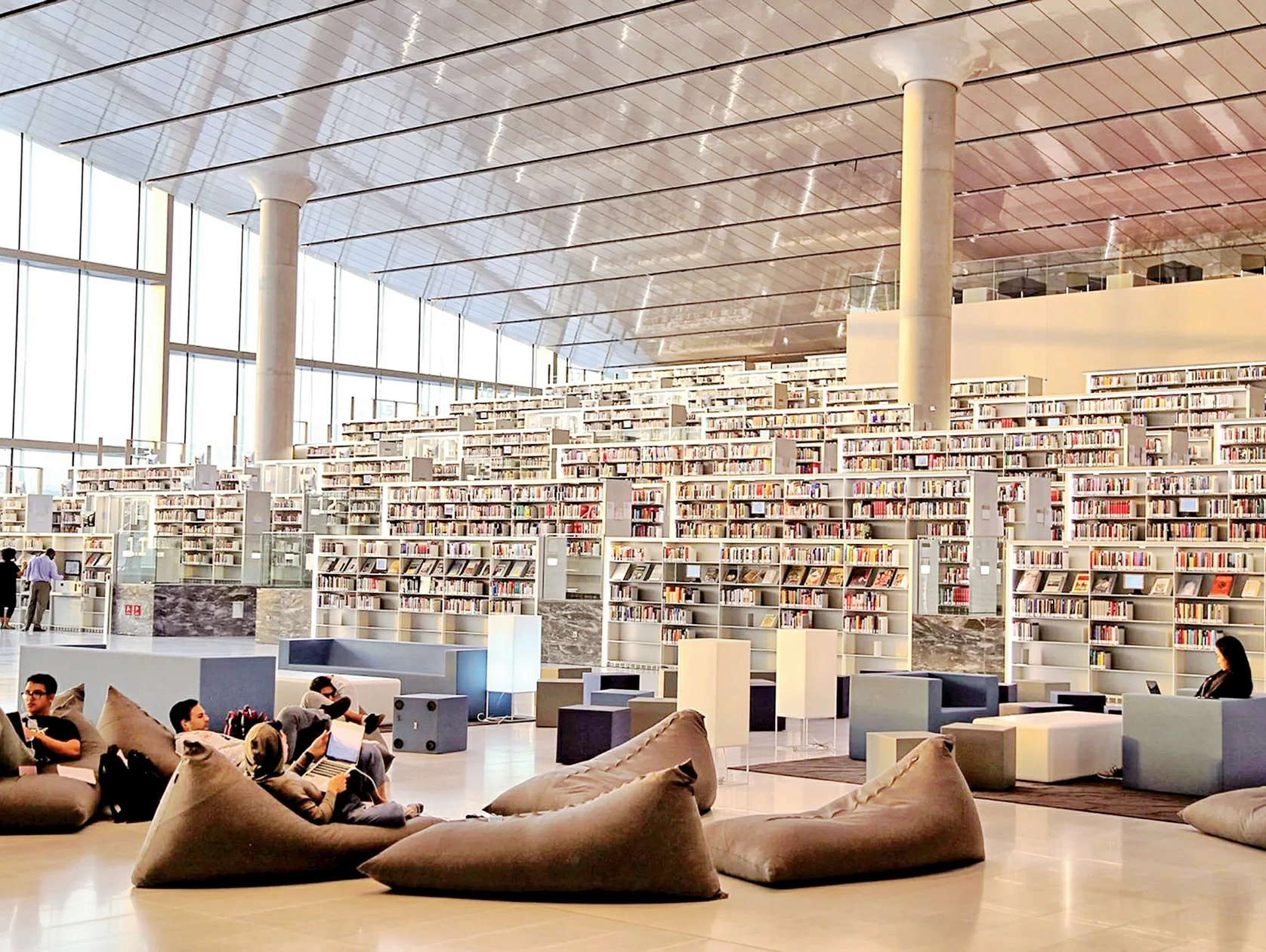
مع الانتشار الواسع للأجهزة الذكية خلال العقد الأخير، شهدت القراءة الرقمية نمواً ملحوظاً، مدفوعة بسهولة الوصول إلى المحتوى وتعدد المنصات التي تتيح تحميل الكتب أو قراءتها مباشرة عبر الإنترنت. وأصبح بإمكان القارئ اليوم الوصول إلى مكتبة كاملة من الكتب خلال ثوانٍ، دون الحاجة إلى زيارة مكتبة تقليدية أو انتظار نسخة مطبوعة.
وتوفر القراءة الرقمية مزايا متعددة، من أبرزها سهولة الحمل، إذ يمكن تخزين مئات الكتب على جهاز واحد، إضافة إلى أدوات مساعدة مثل البحث داخل النص، وتكبير الخط، وتدوين الملاحظات. كما أن التكلفة غالباً ما تكون أقل مقارنة بالكتب الورقية، ما يجعلها خياراً جذاباً لفئات واسعة، خصوصاً الطلاب والقراء الدائمين.
في المقابل، لا يزال الكتاب الورقي يحتفظ بمكانته لدى شريحة كبيرة من القراء، الذين يرون في التجربة التقليدية متعة مختلفة لا يمكن تعويضها رقمياً. فملمس الورق، ورائحة الحبر، والقدرة على التركيز بعيداً عن الإشعارات الرقمية، كلها عوامل تعزز ارتباط القارئ بالكتاب الورقي. كما تشير بعض الآراء إلى أن القراءة الورقية تساعد على الاستيعاب العميق مقارنة بالقراءة عبر الشاشات.
ويرى مختصون. أن العلاقة بين النمطين ليست تنافسية بقدر ما هي تكاملية، إذ يلجأ البعض إلى القراءة الرقمية في التنقل أو لأغراض سريعة، بينما يفضلون الكتب الورقية عند التفرغ للقراءة المطولة. كما أن دور النشر باتت تتبنى النموذجين معاً، لتلبية احتياجات جمهور متنوع.
ومع استمرار التطور التقني، يبدو أن مستقبل القراءة لن يكون لصالح طرف واحد، بل سيتجه نحو مزيج مرن، يجمع بين سهولة التكنولوجيا وعمق التجربة التقليدية، ما يمنح القارئ حرية الاختيار وفقاً لاحتياجاته ونمط حياته.
With the widespread proliferation of smart devices over the past decade, digital reading has seen significant growth, driven by easy access to content and the variety of platforms that allow for downloading books or reading them directly online. Today, readers can access a complete library of books in seconds, without the need to visit a traditional library or wait for a printed copy.
Digital reading offers multiple advantages, the most notable of which is portability, as hundreds of books can be stored on a single device, in addition to helpful tools such as text search, font enlargement, and note-taking. The cost is often lower compared to printed books, making it an attractive option for a wide range of people, especially students and avid readers.
On the other hand, printed books still hold their place among a large segment of readers, who see the traditional experience as a different pleasure that cannot be compensated for digitally. The texture of the paper, the smell of ink, and the ability to focus away from digital notifications are all factors that enhance the reader's connection to printed books. Some opinions also suggest that reading printed materials aids in deeper comprehension compared to reading on screens.
Experts believe that the relationship between the two formats is not competitive but rather complementary, as some resort to digital reading while on the go or for quick purposes, while they prefer printed books when dedicating time to extended reading. Additionally, publishing houses have begun to adopt both models to meet the needs of a diverse audience.
As technological development continues, it seems that the future of reading will not favor one side over the other, but will move towards a flexible blend that combines the ease of technology with the depth of the traditional experience, granting readers the freedom to choose according to their needs and lifestyle.