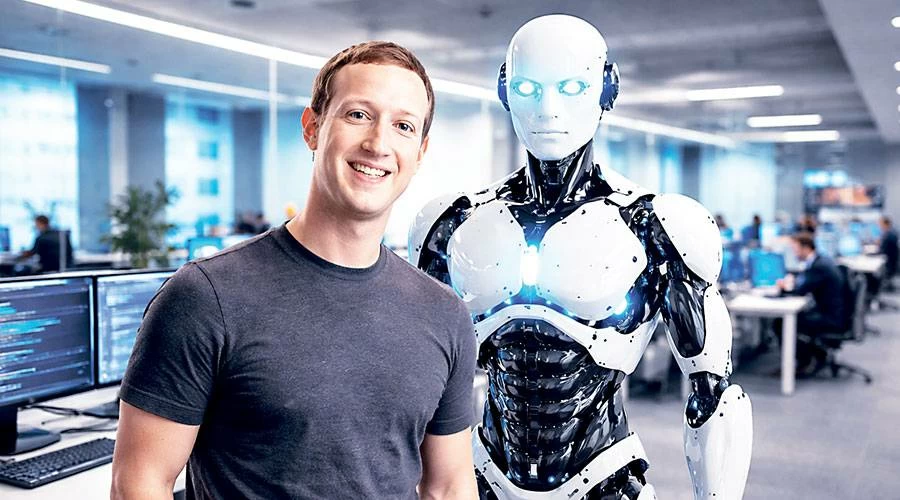
دعا الرئيس التنفيذي لشركة «ميتا» مارك زوكربيرغ، إلى توسيع إتاحة تقنيات الذكاء الاصطناعي المتقدمة، محذراً من تركيز قدراتها في أيدي عدد محدود من الشركات أو الحكومات، في وقت تعود الشركة بقوة إلى تبني نهج النماذج المفتوحة.
وأطلقت «ميتا» نموذجها الجديد «Muse Glimmer»، المصمم لتنفيذ مهام تعتمد على وكلاء الذكاء الاصطناعي مباشرة على أجهزة الكمبيوتر الشخصية باستخدام بطاقة رسومية واحدة، ما يقلل الاعتماد على البنية السحابية مرتفعة التكلفة. كما كشفت الشركة عن إتاحة نموذج أكثر تطوراً للمطورين يحمل اسم «Muse Spark 1.2».
ويرى زوكربيرغ، أن النماذج ذات الأوزان المفتوحة تمنح المطورين والشركات قدرة أكبر على التخصيص، إلى جانب خفض التكاليف وتوسيع دائرة الاستفادة من التقنيات المتقدمة.
وطالب بتخفيف القيود التي تواجه تطوير الذكاء الاصطناعي المفتوح في الولايات المتحدة، معتبراً أن توسيع الوصول إلى هذه التقنيات يعزز المنافسة والابتكار، خصوصاً مع التقدم الذي تحققه النماذج الصينية.
وتعكس الخطوة تحولاً جديداً في إستراتيجية «ميتا»، وسط سباق متسارع بين شركات التقنية العالمية للسيطرة على الجيل القادم من الذكاء الاصطناعي.
The CEO of Meta, Mark Zuckerberg, called for the expansion of access to advanced artificial intelligence technologies, warning against concentrating their capabilities in the hands of a limited number of companies or governments, as the company strongly returns to adopting an open models approach.
Meta has launched its new model, "Muse Glimmer," designed to perform tasks relying on AI agents directly on personal computers using a single graphics card, which reduces reliance on costly cloud infrastructure. The company also revealed the availability of a more advanced model for developers called "Muse Spark 1.2."
Zuckerberg believes that open-weight models provide developers and companies with greater customization capabilities, along with reducing costs and expanding the circle of benefits from advanced technologies.
He called for easing the restrictions facing the development of open AI in the United States, considering that expanding access to these technologies enhances competition and innovation, especially with the progress being made by Chinese models.
This move reflects a new shift in Meta's strategy, amid a rapidly accelerating race among global tech companies to dominate the next generation of artificial intelligence.