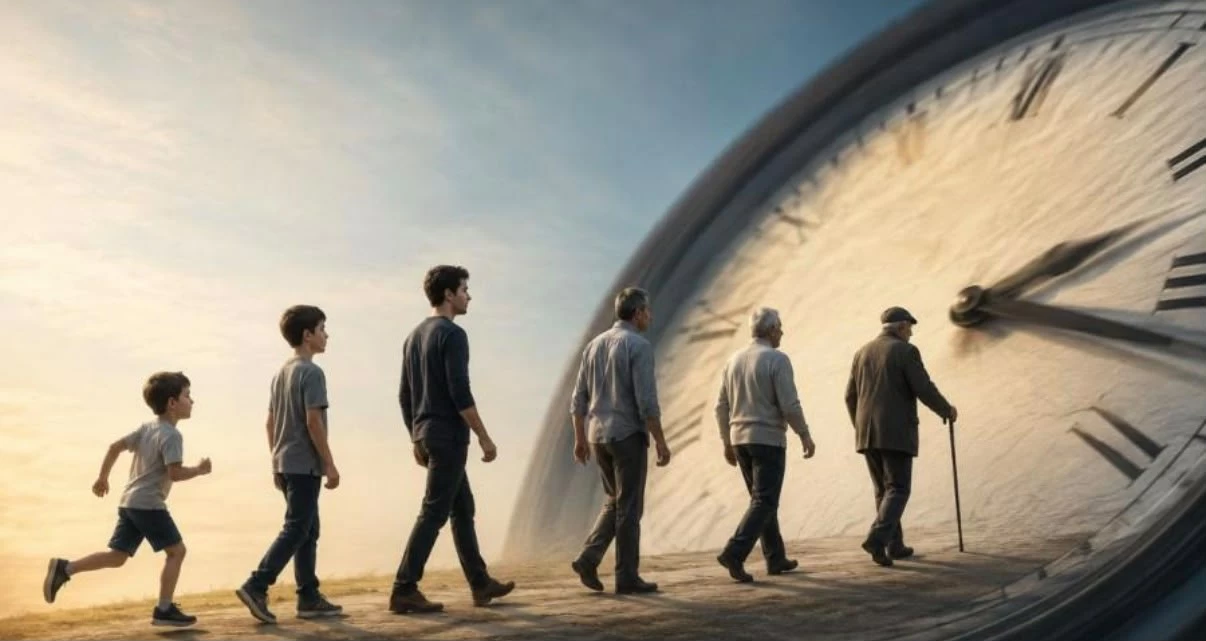
كشفت دراسة أجراها باحثون من جامعة سابينزا في روما، بالتعاون مع مؤسسات بحثية في إيطاليا وألمانيا، ارتباطاً بين القدرة على تكوين ذكريات جديدة والشعور بأن السنوات تمر بسرعة أكبر مع التقدم في العمر، في محاولة لفهم سبب الإحساس الشائع بأن الوقت يصبح أسرع كلما تقدم الإنسان في السن.
وشملت الدراسة 120 مشاركاً تراوح أعمارهم بين 20 و91 عاماً، وخضع المشاركون لاختبارات هدفت إلى تقييم جوانب مختلفة من الذاكرة والقدرات المعرفية، إلى جانب قياس الطريقة التي ينظرون بها إلى مرور الوقت خلال فترات زمنية مختلفة.
ويرتبط الشعور بتسارع الوقت، بحسب الدراسة، بالمدة التي ينظر إليها الإنسان عند استرجاع حياته؛ إذ قد تبدو فترات قصيرة مليئة بالأحداث الجديدة أكثر امتلاءً عند تذكرها، بينما يمكن أن تبدو فترات طويلة متشابهة الأيام أقصر في الذاكرة.
وأظهرت النتائج أن عدد الذكريات الشخصية التي يستطيع الشخص استرجاعها لم يكن العامل الذي يفسر بشكل واضح الاختلاف في الإحساس بسرعة مرور السنوات بين المشاركين، وهو ما يختلف عن أحد التفسيرات الشائعة التي تربط الظاهرة بمجرد «قلة الذكريات» مع التقدم في العمر.
وفي المقابل، برزت علاقة بين القدرة على تكوين ذكريات جديدة وبين الإحساس بسرعة مرور الوقت؛ إذ ارتبط انخفاض القدرة على تسجيل معلومات وتجارب جديدة بالشعور بأن السنوات تمر بصورة أسرع.
وتشير النتائج إلى أهمية التمييز بين نوعين من الذاكرة عند تفسير الظاهرة؛ فهناك ذكريات شخصية مرتبطة بأحداث الحياة الماضية، وفي المقابل توجد القدرة على تسجيل معلومات وتجارب جديدة وتحويلها إلى ذكريات يمكن استرجاعها لاحقاً.
تجارب جديدة مقابل روتين متكرر
وتقدم هذه النتائج تفسيراً محتملاً للاختلاف بين إدراك الإنسان للوقت في مراحل عمرية مختلفة؛ فالطفولة والشباب عادةً ما يتضمنان عدداً كبيراً من التجارب الأولى، مثل دخول المدرسة، وتكوين صداقات جديدة، وتعلم مهارات، وزيارة أماكن غير مألوفة، ما يجعل تلك المراحل غنية بالأحداث التي يمكن أن تترك آثاراً واضحة في الذاكرة.
ومع التقدم في العمر، قد تصبح بعض جوانب الحياة أكثر انتظاماً وتكراراً، مثل العمل والروتين اليومي والأنشطة المعتادة، ما قد يؤدي إلى تسجيل عدد أقل من الأحداث الجديدة والمميزة مقارنة بالمراحل السابقة.
وعند النظر إلى فترة زمنية طويلة بعد انتهائها، قد يعتمد الإنسان بدرجة كبيرة على التفاصيل التي بقيت في ذاكرته؛ لذلك يمكن لفترة مليئة بالتجارب الجديدة أن تبدو أطول وأكثر امتلاءً عند استرجاعها، بينما قد تبدو فترة روتينية وكأنها مرت بسرعة.
الوقت لا يتغير
ولا تعني النتائج أن الزمن نفسه يتسارع مع تقدم الإنسان في العمر؛ فالدقائق والساعات تمر بالمعدل ذاته، وإنما يتعلق الأمر بالطريقة التي يدرك بها الإنسان الوقت ويسترجع الفترات الماضية من خلال ذاكرته.
كما أن الدراسة لا تقدم تفسيراً واحداً ونهائياً للظاهرة، إذ إن إدراك مرور الوقت عملية معقدة يمكن أن تتأثر بعوامل متعددة، من بينها الذاكرة والانتباه وطبيعة التجارب اليومية والتغيرات المعرفية المصاحبة للتقدم في العمر.
وتفتح النتائج الباب أمام فهم أوسع للعلاقة بين الذاكرة والإحساس بالوقت، خصوصاً أن تجربة الإنسان للوقت لا تقتصر على قياس الساعات والدقائق، بل تتأثر أيضاً بالطريقة التي يسجل بها الدماغ الأحداث ويستعيدها بعد مرورها.
وبذلك، فإن الإحساس بأن «السنوات أصبحت تمر أسرع» قد لا يكون ناتجاً عن تغير في سرعة الزمن، وإنما عن تغير الطريقة التي تتشكل بها التجارب الجديدة وتُحفظ في الذاكرة، وهو ما قد يجعل بعض مراحل الحياة تبدو أطول عند تذكرها، وأخرى أقصر.
A study conducted by researchers from Sapienza University in Rome, in collaboration with research institutions in Italy and Germany, revealed a connection between the ability to form new memories and the feeling that the years pass more quickly with age, in an attempt to understand the common sensation that time seems to speed up as a person grows older.
The study included 120 participants aged between 20 and 91 years, who underwent tests aimed at assessing various aspects of memory and cognitive abilities, alongside measuring how they perceive the passage of time over different periods.
According to the study, the feeling of time speeding up is related to the duration a person reflects on when recalling their life; short periods filled with new events may seem fuller when remembered, while long periods with similar days may appear shorter in memory.
The results showed that the number of personal memories a person can recall was not the factor that clearly explained the differences in the sensation of the years passing quickly among participants, which differs from one of the common explanations that link the phenomenon to simply a "lack of memories" with aging.
In contrast, a relationship emerged between the ability to form new memories and the sensation of time passing quickly; a decreased ability to record new information and experiences was associated with the feeling that the years pass faster.
The results indicate the importance of distinguishing between two types of memory when interpreting the phenomenon; there are personal memories linked to past life events, and on the other hand, there is the ability to record new information and experiences and convert them into memories that can be recalled later.
New Experiences vs. Repetitive Routine
These results provide a possible explanation for the differences in human perception of time at various life stages; childhood and youth typically involve a large number of first experiences, such as starting school, making new friends, learning skills, and visiting unfamiliar places, which makes those stages rich in events that can leave clear marks in memory.
As one ages, some aspects of life may become more regular and repetitive, such as work, daily routines, and usual activities, which may lead to recording fewer new and distinctive events compared to earlier stages.
When looking back at a long period after it has ended, a person may rely heavily on the details that remain in their memory; therefore, a period filled with new experiences may seem longer and fuller when recalled, while a routine period may seem to have passed quickly.
Time Does Not Change
The results do not mean that time itself accelerates as a person ages; minutes and hours pass at the same rate, but rather it relates to how a person perceives time and recalls past periods through their memory.
Additionally, the study does not provide a single, definitive explanation for the phenomenon, as the perception of time passing is a complex process that can be influenced by multiple factors, including memory, attention, the nature of daily experiences, and cognitive changes associated with aging.
The results open the door to a broader understanding of the relationship between memory and the sensation of time, especially since a person's experience of time is not limited to measuring hours and minutes, but is also affected by how the brain records and retrieves events after they have occurred.
Thus, the feeling that "the years are passing faster" may not be due to a change in the speed of time, but rather a change in how new experiences are formed and stored in memory, which may make some stages of life seem longer when recalled, and others shorter.