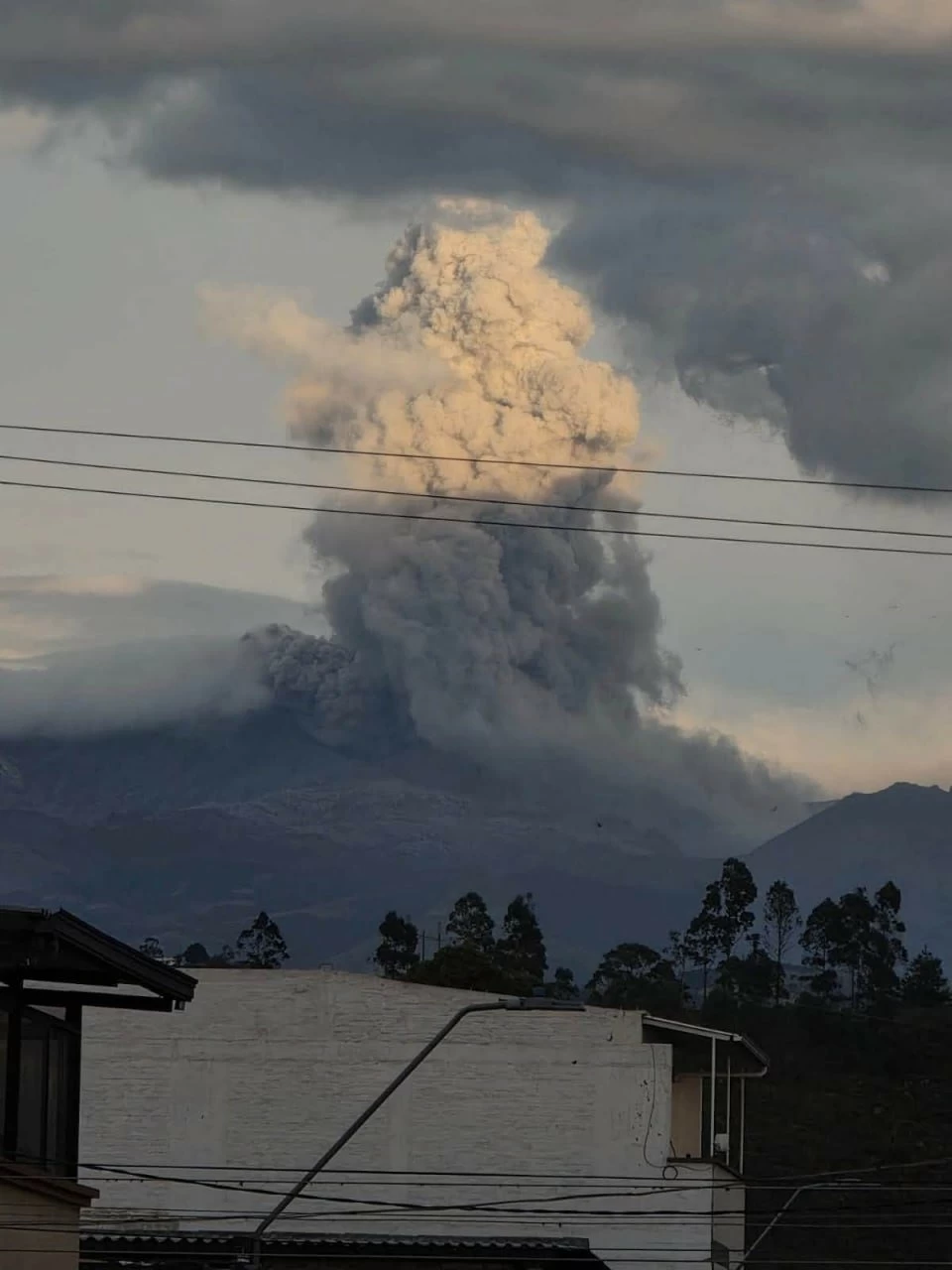
لم تكد كولومبيا تلتقط أنفاسها بعد الزلزال المدمر الذي ضرب غرب البلاد، حتى تصاعد النشاط في بركان بوراسيه، مع انبعاثات من الرماد والغازات أثارت مخاوف جديدة، وأدت إلى تعليق العمليات في مطار بوبايان.
وسجل بركان بوراسيه، الواقع في إدارة كاوكا جنوب غربي كولومبيا، انبعاثات من الرماد والغازات بالتزامن مع تداعيات الزلزال القوي الذي بلغت قوته 7.4 درجة وضرب البلاد في 10 أغسطس. وأظهرت تقارير ولقطات متداولة أعمدة من الرماد والغازات تتصاعد من منطقة البركان.
وكان النشاط البركاني في بوراسيه قد دفع المسح الجيولوجي الكولومبي إلى رفع مستوى التأهب من الأصفر إلى البرتقالي في مطلع أغسطس، بعدما رصد زيادة في الطاقة الزلزالية وارتفاعاً في درجات حرارة انبعاثات الرماد والغازات.
وفي أحدث نشرة للبركان، أكد المسح الجيولوجي استمرار مراقبة النشاط، مشيراً إلى أن قياسات غاز ثاني أكسيد الكبريت لا تزال أعلى من المتوسط المعروف للبركان، وهو أحد المؤشرات التي تتابعها السلطات لتقييم تطور النشاط البركاني.
وتزامن تصاعد النشاط البركاني مع تداعيات الزلزال العنيف، الذي تسبب في سقوط عشرات القتلى وإصابة مئات الأشخاص، فضلاً عن أضرار واسعة في المباني والمنشآت بمناطق مختلفة من البلاد.
وأدى انتشار الرماد البركاني إلى اضطراب حركة الطيران في منطقة بوبايان، إذ جرى تعليق العمليات في مطار غييرمو ليون فالنسيا، وسط مخاوف من تأثير الرماد على الرؤية وسلامة محركات الطائرات.
ويأتي ذلك فيما تواجه السلطات الكولومبية تداعيات الزلزال، الذي تسبب في أضرار كبيرة بالبنية التحتية، بالتزامن مع استمرار عمليات الإنقاذ وتقييم الخسائر في المناطق الأكثر تضرراً.
وتشير البيانات الرسمية إلى استمرار مراقبة المؤشرات الزلزالية والغازية والحرارية في البركان، مع توصيات بعدم الاقتراب من الفوهات والمناطق المحيطة بها، واتباع تعليمات السلطات المحلية وهيئات إدارة المخاطر.
ويُعد بوراسيه أحد البراكين النشطة في كولومبيا، ويقع ضمن السلسلة البركانية «لوس كوكو نوس» في جبال الأنديز، بالقرب من مدينة بوبايان، ما يجعل أي تصاعد في نشاطه محل متابعة واسعة، خصوصاً في ظل الكارثة الزلزالية التي تشهدها البلاد حالياً.
Colombia barely caught its breath after the devastating earthquake that struck the west of the country when activity at the Puracé volcano intensified, with emissions of ash and gases raising new concerns and leading to the suspension of operations at the Popayán airport.
The Puracé volcano, located in the Cauca department in southwestern Colombia, recorded emissions of ash and gases coinciding with the aftermath of the powerful earthquake that measured 7.4 on the Richter scale and hit the country on August 10. Reports and circulating footage showed columns of ash and gases rising from the volcano area.
The volcanic activity at Puracé prompted the Colombian Geological Survey to raise the alert level from yellow to orange in early August, after detecting an increase in seismic energy and a rise in the temperatures of ash and gas emissions.
In the latest bulletin on the volcano, the geological survey confirmed that monitoring of the activity continues, noting that measurements of sulfur dioxide gas remain above the volcano's known average, which is one of the indicators that authorities track to assess the development of volcanic activity.
The increase in volcanic activity coincided with the aftermath of the violent earthquake, which caused dozens of fatalities and injured hundreds of people, as well as extensive damage to buildings and facilities in various regions of the country.
The spread of volcanic ash disrupted air traffic in the Popayán area, leading to the suspension of operations at Guillermo León Valencia Airport, amid concerns about the ash affecting visibility and the safety of aircraft engines.
This comes as Colombian authorities face the repercussions of the earthquake, which caused significant damage to infrastructure, while rescue operations and damage assessments continue in the most affected areas.
Official data indicate that monitoring of seismic, gas, and thermal indicators at the volcano continues, with recommendations to avoid approaching the craters and surrounding areas, and to follow the instructions of local authorities and risk management agencies.
Puracé is one of the active volcanoes in Colombia, located within the "Los Coconucos" volcanic range in the Andes mountains, near the city of Popayán, making any increase in its activity subject to extensive monitoring, especially in light of the seismic disaster currently affecting the country.