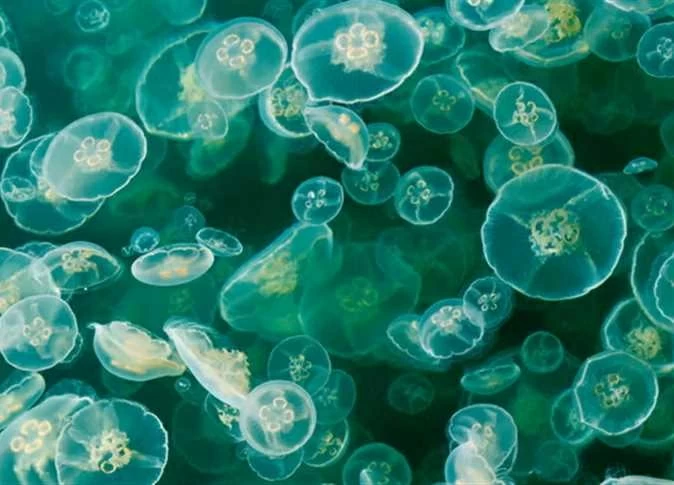
تسبّب سرب من قناديل البحر في إجبار محطة نووية شمال فرنسا على إغلاق ثلاثة مفاعلات بعد انسداد مضخات تُستخدم لتبريدها.
وذكرت شركة الكهرباء الفرنسية (إي دي إف) في بيان أن ثلاثة مفاعلات أُخرجت من الخدمة، فيما خُفّض إنتاج مفاعل رابع إلى النصف، ما أبقى مفاعلاً واحداً فقط يعمل بكامل طاقته.
وكان مفاعل سادس متوقفاً بالفعل لإجراء أعمال صيانة مقررة، مؤكدة أن هذا الوضع لا يؤثر في سلامة المنشآت أو العاملين أو البيئة.
وشهد إنتاج الطاقة النووية في فرنسا اضطرابات بسبب موجات حر وجفاف عديدة هذا العام، إذ أوقفت شركة الكهرباء عدداً من المفاعلات في شهري يونيو ويوليو بسبب الحرارة الشديدة.
وقبل عمليات الإغلاق الأخيرة، سجلت فرنسا (الأحد) عجزاً بنسبة 15.6% في إنتاج الطاقة النووية.
وتعد محطة غرافلين للطاقة النووية، قرب مدينة دونكيرك في شمال فرنسا، الأكبر في أوروبا الغربية، وتضم ستة مفاعلات تبلغ قدرة كل منها 900 ميغاواط.
وسبق أن أوقفت المحطة مؤقتاً عن العمل قبل عام بعدما تسببت قناديل البحر في انسداد محطات ضخ مياه البحر فيها.
وأجبرت أسراب من قناديل البحر محطات نووية في دول أخرى على التوقف عن العمل، بينها محطة في السويد أُغلقت ثلاثة أيام عام 2013، وحادثة في اليابان عام 1999 أدت إلى انخفاض كبير في الإنتاج.
ويقول خبراء إن الصيد الجائر والتلوث البلاستيكي وارتفاع حرارة مياه البحار بسبب التغيّر المناخي أوجدت ظروفاً مواتية لازدهار قناديل البحر وتكاثرها.
A swarm of jellyfish forced a nuclear power plant in northern France to shut down three reactors after clogging the pumps used for cooling them.
The French electricity company (EDF) stated in a press release that three reactors were taken offline, while the production of a fourth reactor was reduced by half, leaving only one reactor operating at full capacity.
A sixth reactor was already offline for scheduled maintenance, confirming that this situation does not affect the safety of the facilities, workers, or the environment.
Nuclear power production in France has faced disruptions due to several heatwaves and droughts this year, as the electricity company halted several reactors in June and July due to extreme heat.
Before the recent shutdowns, France recorded a 15.6% deficit in nuclear power production on Sunday.
The Gravelines nuclear power plant, near the city of Dunkirk in northern France, is the largest in Western Europe, featuring six reactors, each with a capacity of 900 megawatts.
The plant had previously been temporarily shut down a year ago after jellyfish caused the seawater pumping stations to clog.
Swarms of jellyfish have forced nuclear plants in other countries to stop operating, including a plant in Sweden that was closed for three days in 2013, and an incident in Japan in 1999 that led to a significant drop in production.
Experts say that overfishing, plastic pollution, and rising sea temperatures due to climate change have created favorable conditions for the flourishing and reproduction of jellyfish.