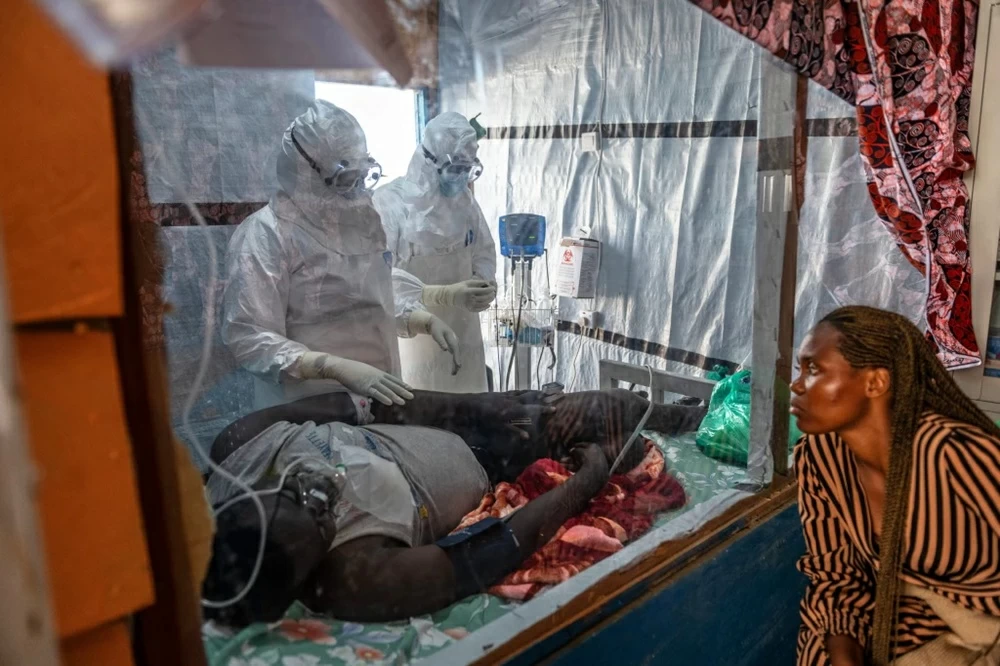
تفاقمت أزمة فايروس إيبولا في جمهورية الكونغو الديمقراطية بعد أن أعلنت وزارة الصحة ارتفاع عدد الوفيات المؤكدة إلى 2011 حالة، في أحدث حصيلة تعكس اتساع نطاق التفشي الذي يصفه مسؤولو الصحة بأنه الأسرع في تاريخ البلاد.
وتشير بيانات معهد الصحة العامة إلى تسجيل 4381 إصابة مؤكدة في خمسة أقاليم، ما يعكس انتشارًا واسعًا للمرض في المناطق الشرقية التي تعاني أصلًا من اضطرابات أمنية تعيق جهود الاستجابة.
ويأتي هذا الارتفاع في وقتٍ تواجه فيه الفرق الطبية تحديات كبيرة للوصول إلى المجتمعات المتضررة، إذ تتداخل العوامل الصحية مع صعوبات لوجستية وأمنية تعرقل عمليات العزل والمتابعة، بينما تعمل منظمة الصحة العالمية على تعزيز فرقها الميدانية وتوسيع نطاق التوعية المجتمعية للحد من انتقال العدوى.
وتؤكد السلطات أن جزءًا من الوفيات يعود إلى تأخر وصول المصابين إلى مراكز العلاج، إضافةً إلى انتشار معلومات مضللة حول المرض وطرق الوقاية منه، ما يزيد من صعوبة احتواء التفشي.
وتحذر الجهات المختصة من أن استمرار الوضع على هذا النحو قد يؤدي إلى موجة أوسع من الإصابات، خصوصًا في المناطق الريفية التي تفتقر إلى بنى تحتية صحية قادرة على التعامل مع حالات الطوارئ، في وقت تتواصل فيه الجهود الدولية لدعم الكونغو الديمقراطية عبر توفير اللقاحات والمستلزمات الطبية وتدريب الكوادر المحلية.
ورغم التحديات، تبدي السلطات الصحية تفاؤلًا حذرًا بإمكانية السيطرة على التفشي خلال الأشهر المقبلة، شريطة تحسن الظروف الأمنية وتكثيف حملات التوعية والوقاية.
The Ebola virus crisis in the Democratic Republic of the Congo has worsened after the Ministry of Health announced that the number of confirmed deaths has risen to 2,011, in the latest tally reflecting the expanding scope of the outbreak, which health officials describe as the fastest in the country's history.
Data from the Public Health Institute indicates that 4,381 confirmed cases have been recorded in five regions, reflecting a wide spread of the disease in the eastern areas that are already suffering from security disturbances that hinder response efforts.
This increase comes at a time when medical teams are facing significant challenges in reaching affected communities, as health factors intertwine with logistical and security difficulties that obstruct isolation and follow-up operations, while the World Health Organization is working to strengthen its field teams and expand community awareness to reduce the transmission of the virus.
Authorities confirm that part of the deaths is due to delays in getting the infected to treatment centers, in addition to the spread of misleading information about the disease and its prevention methods, which complicates efforts to contain the outbreak.
Relevant authorities warn that if the situation continues as it is, it could lead to a wider wave of infections, especially in rural areas that lack health infrastructure capable of handling emergencies, while international efforts continue to support the Democratic Republic of the Congo by providing vaccines, medical supplies, and training local personnel.
Despite the challenges, health authorities express cautious optimism about the possibility of controlling the outbreak in the coming months, provided that security conditions improve and awareness and prevention campaigns are intensified.