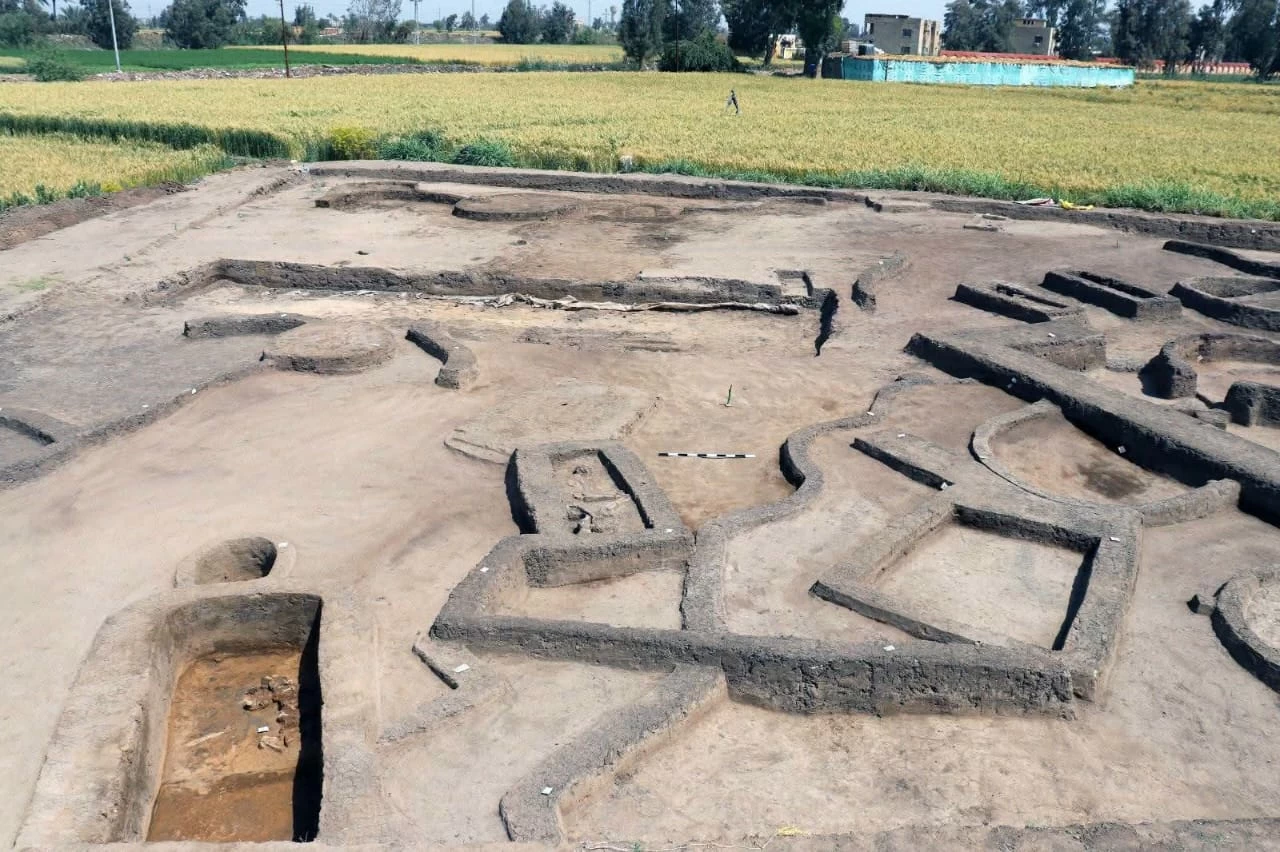
كشفت أعمال الحفائر الأثرية في منطقة آثار كوم الخلجان بمحافظة الدقهلية المصرية عن سجل حضاري يمتد لآلاف السنين، بعدما نجحت بعثة أثرية مصرية تابعة للمجلس الأعلى للآثار في العثور على جبانة تعود جذورها إلى عصر ما قبل الأسرات، واستمر استخدامها حتى العصرين اليوناني والروماني، إلى جانب منطقة سكنية ترجع إلى عصر الانتقال الثاني واستمر استخدامها حتى عصر الدولة الحديثة.
وبحسب بيان رسمي صدر عن وزارة السياحة والآثار المصرية، اليوم (السبت)، يقدم الكشف الجديد صورة متكاملة عن تطور الاستيطان البشري والممارسات الجنائزية وأنماط الحياة في منطقة شرق الدلتا عبر عصور تاريخية متعاقبة، بما يضيف معلومات مهمة إلى دراسة تطور الحضارة المصرية القديمة وتفاعل سكان المنطقة مع بيئتهم الطبيعية.
وأكد وزير السياحة والآثار، شريف فتحي، أن الكشف يمثل إضافة علمية مهمة تساعد على تعميق فهم تاريخ الدلتا وتطورها الحضاري.
وقال إن هذا الاكتشاف يعكس، في الوقت نفسه، الكفاءة العلمية والخبرة التي يتمتع بها الأثريون المصريون، الذين يواصلون تحقيق اكتشافات أثرية بارزة بأيادٍ مصرية، فضلًا عن دعم جهود الوزارة في إبراز ثراء وتنوع التراث الحضاري الذي تزخر به مصر.
كوم الخلجان.. سجل أثري يمتد آلاف السنين
من جانبه، أكد الأمين العام للمجلس الأعلى للآثار، الدكتور هشام الليثي، أن نتائج الحفائر تبرز الأهمية الأثرية لموقع كوم الخلجان، باعتباره أحد المواقع الواعدة في منطقة شرق الدلتا.
وأوضح أن الموقع يقدم سجلًا متكاملًا لتطور أنماط الاستيطان والممارسات الجنائزية، إلى جانب طبيعة العلاقة بين الإنسان والبيئة المحيطة به، بدءًا من عصور ما قبل التاريخ وصولًا إلى العصرين اليوناني والروماني.
وأشار إلى أن أعمال الحفائر لا تزال مستمرة في الموقع، مع توفير جميع أوجه الدعم اللازمة للبعثة الأثرية، بهدف استكمال أعمال البحث والكشف عن المزيد من الأسرار التي لا تزال مدفونة في المنطقة.
أقدم المكتشفات تعود إلى الألف الرابع قبل الميلاد
وأوضح رئيس قطاع الآثار المصرية بالمجلس الأعلى للآثار محمد عبد البديع، أن أقدم المكتشفات التي عثرت عليها البعثة تعود إلى حضارة مصر السفلى، المعروفة باسم «بوتو الأولى وبوتو الثانية»، والتي ترجع إلى النصف الأول من الألف الرابع قبل الميلاد.
وعثرت البعثة على مجموعة من المقابر ذات الحفر البيضاوية البسيطة، التي نُحتت في الطبقة الرملية، واحتوت على دفنات اتخذت أوضاعًا جنائزية متنوعة، بما يعكس اختلاف طقوس الدفن التي كانت متبعة خلال تلك الفترة المبكرة.
واتسمت المقابر ببساطة الأثاث الجنائزي، الذي اقتصر بصورة أساسية على أوانٍ فخارية صغيرة مصنوعة يدويًا، إلى جانب بعض أصداف المحار البحري.
وتشير كثافة الدفنات التي عُثر عليها في الموقع إلى وجود تجمع سكاني كبير بالمنطقة خلال تلك الحقبة المبكرة من تاريخ مصر.
مساكن وصوامع وأفران تكشف الحياة اليومية
ولم تقتصر الاكتشافات على المقابر، إذ نجحت البعثة في الكشف عن منطقة سكنية ومجموعة أخرى من المقابر تعود إلى عصر الانتقال الثاني، واستمر استخدامها حتى عصر الدولة الحديثة.
وتضم المنطقة السكنية بقايا مبانٍ شُيدت من الطوب اللبن، إلى جانب صوامع كانت مخصصة لتخزين الحبوب، وأفران ومواقد، وهي مكتشفات تقدم صورة واضحة عن تفاصيل الحياة اليومية والأنشطة الاقتصادية التي مارسها سكان الموقع خلال تلك الفترة.
كما عثرت البعثة على مجموعة من الجدران المتعرجة المعروفة باسم Sinusoidal Walls، وهي عناصر معمارية مميزة انتشرت منذ عصر الدولة الوسطى وحتى الدولة الحديثة، وكانت تحيط بالمباني السكنية والجنائزية.
وأسفرت الحفائر كذلك عن مجموعة متنوعة من اللقى الأثرية، شملت أواني فخارية وأدوات حجرية، إلى جانب كميات كبيرة من عظام الأسماك والطيور والحيوانات.
وتقدم هذه البقايا الحيوانية معلومات مهمة عن النظام الغذائي والعادات المعيشية لسكان المنطقة خلال عصر الانتقال الثاني، بما يساعد الباحثين على تكوين صورة أكثر وضوحًا عن طبيعة الحياة اليومية في الموقع.
آثار الهكسوس تظهر في المنطقة
وأشار محمد عبد البديع إلى أن البعثة عثرت أيضًا على عدد من المقابر التي ترجع إلى الفترة الممتدة من الأسرة الخامسة عشرة وحتى الأسرة السابعة عشرة، إضافة إلى بدايات عصر الدولة الحديثة.
وتؤكد هذه المقابر استمرار الاستيطان في المنطقة خلال فترة الهكسوس، خاصة مع قرب الموقع من عاصمتهم «أواريس» في شرق الدلتا.
وتنوعت المقابر المكتشفة بين مصاطب ومقابر ذات كورنيش، فيما أظهرت الدراسات الأولية تنوعًا واضحًا في أوضاع الدفن، والفئات العمرية، والعادات والممارسات الجنائزية التي اتبعها سكان المنطقة.
وضمت المقابر أثاثًا جنائزيًا متنوعًا، شمل الحلي والتمائم والجعارين، إلى جانب الأدوات والأسلحة البرونزية، فضلًا عن مجموعة من الأواني الفخارية والقنينات المعروفة باسم «تل اليهودية»، والتي تعد من السمات المميزة لهذه الفترة التاريخية.
مقبرة من بدايات الأسرة الثامنة عشرة
من جانبه، أوضح رئيس الإدارة المركزية لآثار الوجه البحري الدكتور هشام حسين، أن أعمال البعثة أسفرت عن نتائج علمية متميزة، من بينها الكشف عن مقبرة مبنية بالطوب اللبن تعود إلى أوائل الأسرة الثامنة عشرة.
واحتوت المقبرة على مجموعة من الأواني الفخارية والأدوات البرونزية، كما كشفت الحفائر عن أساسات مبنى ذي جدران سميكة شُيدت من الطوب اللبن.
وعُثر على أرضية المبنى على كسرات فخارية وأدوات حجرية تؤرخ لبدايات عصر الدولة الحديثة، ما يضيف دليلًا جديدًا على استمرار النشاط والاستيطان في الموقع خلال تلك المرحلة.
دفنة طفل داخل أمفورتين في العصر البطلمي
أما بالنسبة إلى العصر البطلمي، فقد كشفت الحفائر عن عدد من حفر الدفن البسيطة، كان من بينها دفنة لطفل وُضع داخل أمفورتين أُعيد استخدامهما كوعاء للدفن.
ويُعد هذا الأسلوب أحد الأساليب الجنائزية المعروفة خلال العصر البطلمي، كما يمثل دليلًا جديدًا على استمرار استخدام موقع كوم الخلجان عبر العصور التاريخية المختلفة.
ويكشف تنوع المكتشفات، بدءًا من المقابر الأقدم التي تعود إلى حضارة مصر السفلى، مرورًا بفترة الهكسوس والدولة الحديثة، ووصولًا إلى العصر البطلمي والعصرين اليوناني والروماني، عن الأهمية التاريخية للموقع، الذي يبدو أنه كان مركزًا للاستيطان البشري والنشاط الجنائزي على مدى فترات زمنية طويلة.
وتتواصل أعمال الحفائر في منطقة آثار كوم الخلجان، وسط توقعات بالكشف عن مزيد من الأدلة التي قد تسهم في فهم تاريخ شرق الدلتا وتطور مجتمعاتها وأنماط الحياة فيها عبر آلاف السنين.
The archaeological excavations in the archaeological area of Kom Al-Khalgan in the Dakahlia Governorate of Egypt have revealed a cultural record that extends for thousands of years, after an Egyptian archaeological mission affiliated with the Supreme Council of Antiquities successfully discovered a cemetery dating back to the pre-dynastic period, which continued to be used until the Greek and Roman eras, along with a residential area dating back to the Second Intermediate Period that remained in use until the Modern State Period.
According to an official statement issued by the Egyptian Ministry of Tourism and Antiquities today (Saturday), the new discovery provides a comprehensive picture of the development of human settlement, funerary practices, and lifestyles in the eastern Delta region across successive historical eras, adding important information to the study of the development of ancient Egyptian civilization and the interaction of the region's inhabitants with their natural environment.
The Minister of Tourism and Antiquities, Sherif Fathy, confirmed that the discovery represents an important scientific addition that helps deepen the understanding of the history of the Delta and its cultural development.
He stated that this discovery reflects, at the same time, the scientific competence and expertise of Egyptian archaeologists, who continue to achieve prominent archaeological discoveries with Egyptian hands, in addition to supporting the ministry's efforts to highlight the richness and diversity of the cultural heritage that Egypt boasts.
Kom Al-Khalgan.. An archaeological record spanning thousands of years
For his part, the Secretary-General of the Supreme Council of Antiquities, Dr. Hisham El-Liethy, confirmed that the excavation results highlight the archaeological significance of the Kom Al-Khalgan site, as it is one of the promising sites in the eastern Delta region.
He explained that the site provides a comprehensive record of the development of settlement patterns and funerary practices, along with the nature of the relationship between humans and their surrounding environment, from prehistoric times to the Greek and Roman eras.
He noted that excavation work is still ongoing at the site, with all necessary support provided to the archaeological mission, aiming to complete research and uncover more secrets that remain buried in the area.
The oldest discoveries date back to the fourth millennium BC
The head of the Egyptian Antiquities Sector at the Supreme Council of Antiquities, Mohamed Abdel-Badee, explained that the oldest discoveries made by the mission date back to the Lower Egypt civilization, known as "Buto I and Buto II," which dates to the first half of the fourth millennium BC.
The mission discovered a group of graves with simple oval-shaped pits, carved into the sandy layer, containing burials that took various funerary positions, reflecting the different burial rituals practiced during that early period.
The graves were characterized by the simplicity of the funerary furniture, which mainly consisted of small handmade pottery vessels, along with some marine shell fragments.
The density of the burials found at the site indicates the presence of a large population in the area during that early period of Egypt's history.
Housing, granaries, and ovens reveal daily life
The discoveries were not limited to graves, as the mission succeeded in uncovering a residential area and another group of graves dating back to the Second Intermediate Period, which continued to be used until the Modern State Period.
The residential area includes remains of buildings constructed from mud bricks, along with granaries designated for storing grains, ovens, and hearths, which provide a clear picture of the details of daily life and economic activities practiced by the inhabitants of the site during that period.
The mission also found a group of winding walls known as Sinusoidal Walls, which are distinctive architectural elements that spread from the Middle Kingdom to the Modern State, surrounding residential and funerary buildings.
The excavations also yielded a diverse array of archaeological finds, including pottery vessels and stone tools, along with large quantities of fish, bird, and animal bones.
These animal remains provide important information about the diet and living habits of the area's inhabitants during the Second Intermediate Period, helping researchers form a clearer picture of the nature of daily life at the site.
Hyksos remains appear in the area
Mohamed Abdel-Badee indicated that the mission also discovered several graves dating from the fifteenth to the seventeenth dynasty, in addition to the beginnings of the Modern State Period.
These graves confirm the continuity of settlement in the area during the Hyksos period, especially given the site's proximity to their capital "Avaris" in the eastern Delta.
The discovered graves varied between benches and graves with cornices, while preliminary studies showed a clear diversity in burial positions, age groups, and funerary customs and practices followed by the region's inhabitants.
The graves contained diverse funerary furniture, including jewelry, amulets, and scarabs, along with bronze tools and weapons, as well as a collection of pottery vessels and bottles known as "Tell el-Yahudiya," which are distinctive features of this historical period.
A tomb from the early Eighteenth Dynasty
For his part, the head of the Central Administration for the Antiquities of the Northern Coast, Dr. Hisham Hussein, explained that the mission's work resulted in distinguished scientific findings, including the discovery of a tomb built of mud bricks dating back to the early Eighteenth Dynasty.
The tomb contained a collection of pottery vessels and bronze tools, and the excavations revealed the foundations of a building with thick walls constructed from mud bricks.
On the floor of the building, fragments of pottery and stone tools dating back to the beginnings of the Modern State Period were found, adding new evidence of continued activity and settlement at the site during that phase.
A child's burial inside amphorae in the Ptolemaic era
As for the Ptolemaic era, the excavations revealed several simple burial pits, including the burial of a child placed inside amphorae that were reused as burial vessels.
This method is one of the known funerary practices during the Ptolemaic era and represents new evidence of the continued use of the Kom Al-Khalgan site throughout different historical periods.
The diversity of discoveries, from the oldest graves dating back to the Lower Egypt civilization, through the Hyksos period and the Modern State, to the Ptolemaic era and the Greek and Roman periods, reveals the historical significance of the site, which appears to have been a center for human settlement and funerary activity over long periods of time.
Excavation work continues in the archaeological area of Kom Al-Khalgan, with expectations of uncovering more evidence that may contribute to understanding the history of the eastern Delta and the development of its communities and lifestyles over thousands of years.