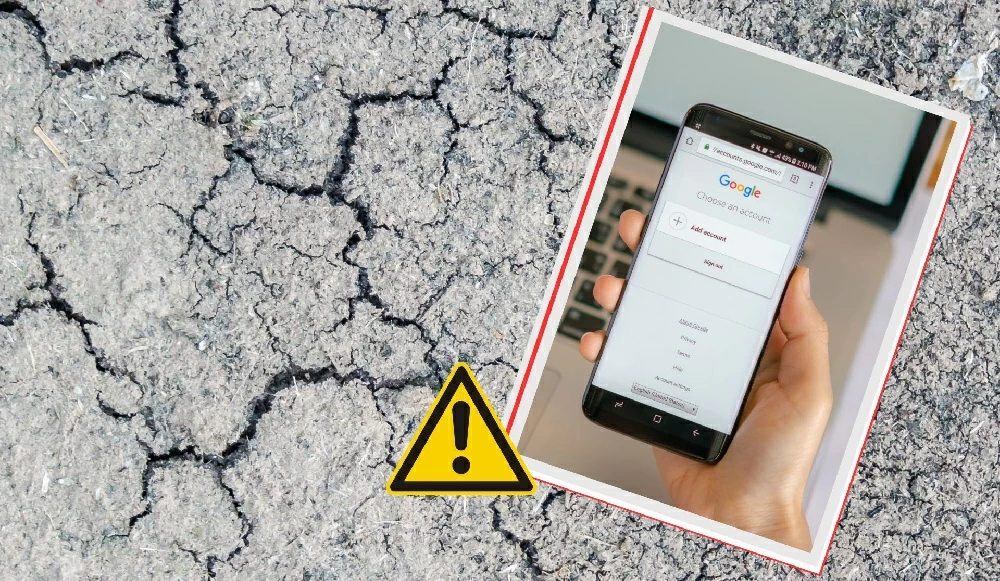
استيقظ عدد من المصريين فجر (الاثنين 3 أغسطس) على صوت تحذير صادر من هواتفهم العاملة بنظام أندرويد، يخبرهم باقتراب هزة أرضية ويدعوهم إلى اتخاذ إجراءات الحماية، وبعد ثوانٍ قليلة بدأت المباني تهتز بالفعل.
وبحسب التقديرات الأولية، وقع الزلزال نحو الساعة الثالثة صباحاً بتوقيت القاهرة بقوة 5.2 درجة على مقياس (ريختر)، وشعر به سكان القاهرة الكبرى وعدد من المحافظات.
كيف وصل التحذير؟
ورغم أن التحذير بدا وكأنه تنبؤ مسبق، فإن الإجابة المختصرة هي «لا»، فالزلزال كان قد بدأ بالفعل قبل صدور التنبيه، لكن موجاته القوية لم تكن قد وصلت بعد إلى مكان المستخدم، ما أتاح للهاتف إرسال التحذير قبل وصول الاهتزاز الفعلي.
تبدأ الزلازل من الصفائح التكتونية التي تتحرك ببطء فوق طبقة أكثر ليونة، وعند انكسار الصخور أو انزلاقها فجأة على امتداد صدع معين تنطلق الطاقة من (بؤرة الزلزال) في صورة موجات زلزالية تنتشر تدريجياً، فتصل أولاً إلى المناطق القريبة ثم الأبعد خلال ثوانٍ أو دقائق.
هواتف تتحول إلى شبكة رصد
تحتوي الهواتف الذكية على مستشعر (مقياس التسارع) الذي يرصد حركة الجهاز. وقد استغلت (غوغل) هذا المستشعر لتحويل ملايين الهواتف إلى شبكة عالمية من مقاييس الزلازل الصغيرة، بحيث ترسل الأجهزة بيانات مختصرة عند تسجيل اهتزازات متزامنة، ثم تستخدم خوارزميات لتقدير موقع الزلزال وقوته وإرسال التنبيهات للمستخدمين في مسار الموجات الزلزالية.
ولا يعتمد النظام على هاتف واحد، لأن سقوط جهاز من فوق طاولة أو مرور شاحنة ثقيلة قد يسبب اهتزازاً مشابهاً، لكنه يبحث عن عدد كبير من الهواتف الموجودة في المنطقة نفسها والتي سجلت نمطا متقاربا من الحركة في اللحظة ذاتها.
وأظهرت دراسة نشرتها (غوغل) عام 2025 في مجلة (ساينس) أن 85% ممن استلموا التنبيه شعروا بالهزة بالفعل، بينما حصل 36% منهم على التحذير قبل بدء الاهتزاز، وهي كفاءة تقارب أداء الشبكات الرصدية التقليدية المكلفة.
فارق السرعات بين الموجات والبيانات
تسير الموجات الزلزالية بسرعة تتراوح بين كيلومتر وعدة كيلومترات في الثانية، بينما تنتقل البيانات عبر شبكات الاتصالات بسرعات تقارب سرعة الضوء، ما يسمح بوصول التحذير قبل وصول الموجات إلى المناطق البعيدة. لكن هذا لا يعني التنبؤ بالزلازل، بل هو إنذار مبكر يبدأ عمله بعد انطلاق الزلزال فعلاً.
وقد يحصل المستخدم القريب جداً من البؤرة على التحذير في اللحظة نفسها أو بعدها مباشرة، بينما يحصل من يبعد عشرات الكيلومترات على عدة ثوانٍ أو أكثر، وهي مدة قد تكفي للابتعاد عن النوافذ أو الاحتماء أسفل طاولة.
A number of Egyptians woke up at dawn on (Monday, August 3) to a warning sound from their Android phones, informing them of an impending earthquake and urging them to take protective measures. Just a few seconds later, the buildings began to shake.
According to initial estimates, the earthquake occurred around 3 AM Cairo time with a magnitude of 5.2 on the (Richter) scale, and it was felt by residents of Greater Cairo and several governorates.
How did the warning arrive?
Although the warning seemed like a preemptive prediction, the short answer is "no." The earthquake had already begun before the alert was issued, but its strong waves had not yet reached the user's location, allowing the phone to send the warning before the actual shaking arrived.
Earthquakes begin from tectonic plates that move slowly over a softer layer, and when rocks break or slip suddenly along a specific fault, energy is released from the (epicenter) in the form of seismic waves that gradually spread, reaching nearby areas first and then farther ones within seconds or minutes.
Phones turning into a monitoring network
Smartphones contain a sensor (accelerometer) that detects the movement of the device. (Google) has exploited this sensor to turn millions of phones into a global network of small seismometers, so that devices send brief data when they register simultaneous vibrations, then algorithms are used to estimate the location and strength of the earthquake and send alerts to users in the path of the seismic waves.
The system does not rely on a single phone, as the fall of a device from a table or the passage of a heavy truck may cause similar vibrations, but it looks for a large number of phones in the same area that recorded a similar pattern of movement at the same moment.
A study published by (Google) in 2025 in the journal (Science) showed that 85% of those who received the alert actually felt the tremor, while 36% of them received the warning before the shaking began, which is an efficiency comparable to that of traditional costly monitoring networks.
Speed difference between waves and data
Seismic waves travel at speeds ranging from one kilometer to several kilometers per second, while data travels through communication networks at speeds approaching the speed of light, allowing the warning to reach distant areas before the waves arrive. However, this does not mean predicting earthquakes; it is an early warning that begins its work after the earthquake has actually started.
A user very close to the epicenter may receive the warning at the same moment or immediately after, while someone tens of kilometers away may receive it several seconds or more later, which may be enough time to move away from windows or take cover under a table.