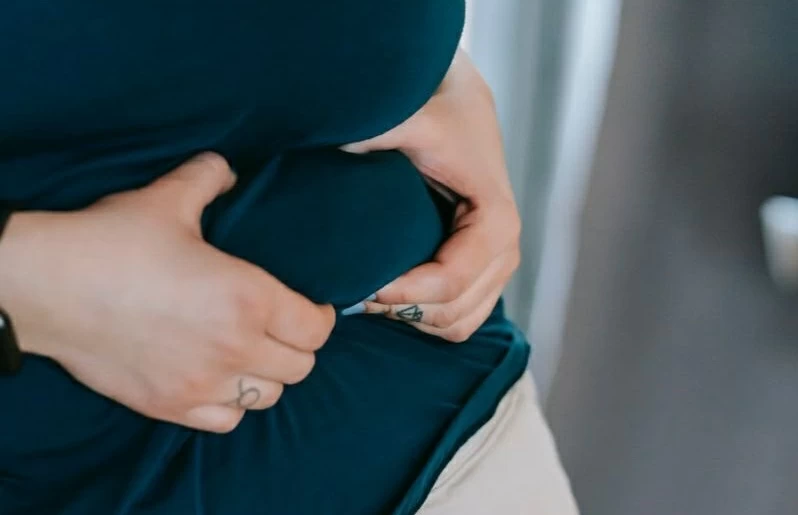
يُعد انفصال عضلات البطن (Diastasis Recti) من الحالات الشائعة، خصوصا لدى النساء بعد الحمل والولادة، لكنه قد يصيب الرجال أيضًا نتيجة زيادة الوزن أو حمل الأوزان الثقيلة بطريقة خاطئة. وتحدث هذه الحالة عندما تتمدد الأنسجة التي تربط عضلتي البطن المستقيمتين، ما يؤدي إلى ابتعادهما عن بعضهما وظهور بروز في منتصف البطن.
ولا يقتصر تأثير انفصال عضلات البطن على المظهر الخارجي، إذ قد يسبب ضعفًا في عضلات الجذع، وآلامًا في أسفل الظهر، وصعوبة في الحفاظ على وضعية الجسم، إضافة إلى استمرار بروز البطن حتى بعد خسارة الوزن، مما يدفع البعض للاعتقاد خطأً بأن المشكلة ناتجة عن تراكم الدهون فقط.
ويؤكد المختصون أن العلاج يعتمد على شدة الحالة، ففي الدرجات البسيطة والمتوسطة يمكن تحسينها من خلال برنامج علاج طبيعي وتمارين تستهدف العضلات العميقة للبطن وتقوية عضلات الحوض، مع تجنب بعض التمارين مثل تمارين البطن التقليدية إذا كانت تؤدي إلى تفاقم الانفصال. كما يُنصح بالحفاظ على وزن صحي واتباع التقنية الصحيحة أثناء رفع الأوزان.
أما في الحالات الشديدة، أو عندما يصاحب الانفصال فتق في جدار البطن، فقد يكون التدخل الجراحي هو الخيار الأنسب لإعادة العضلات إلى موضعها الطبيعي.
ويشدد الأطباء على أهمية التشخيص المبكر وعدم البدء بأي برنامج رياضي قبل تقييم الحالة، لأن اختيار التمارين المناسبة يسهم في تحسين قوة عضلات البطن واستعادة شكل الجسم بشكل آمن، بينما قد تؤدي التمارين غير الملائمة إلى زيادة الانفصال وتفاقم الأعراض.
Abdominal muscle separation (Diastasis Recti) is a common condition, especially among women after pregnancy and childbirth, but it can also affect men due to weight gain or lifting heavy weights incorrectly. This condition occurs when the tissues that connect the two rectus abdominal muscles stretch, causing them to move away from each other and resulting in a bulge in the middle of the abdomen.
The impact of abdominal muscle separation is not limited to appearance; it can also cause weakness in the trunk muscles, lower back pain, and difficulty maintaining body posture, in addition to the persistent bulge in the abdomen even after weight loss, leading some to mistakenly believe that the problem is solely due to fat accumulation.
Experts confirm that treatment depends on the severity of the condition. In mild to moderate cases, improvement can be achieved through a physical therapy program and exercises targeting the deep abdominal muscles and strengthening the pelvic muscles, while avoiding certain exercises like traditional abdominal workouts if they exacerbate the separation. It is also advised to maintain a healthy weight and follow the correct technique when lifting weights.
In severe cases, or when the separation is accompanied by a hernia in the abdominal wall, surgical intervention may be the most suitable option to return the muscles to their normal position.
Doctors emphasize the importance of early diagnosis and not starting any exercise program before assessing the condition, as choosing the appropriate exercises contributes to improving abdominal muscle strength and safely restoring body shape, while inappropriate exercises may lead to increased separation and worsening symptoms.