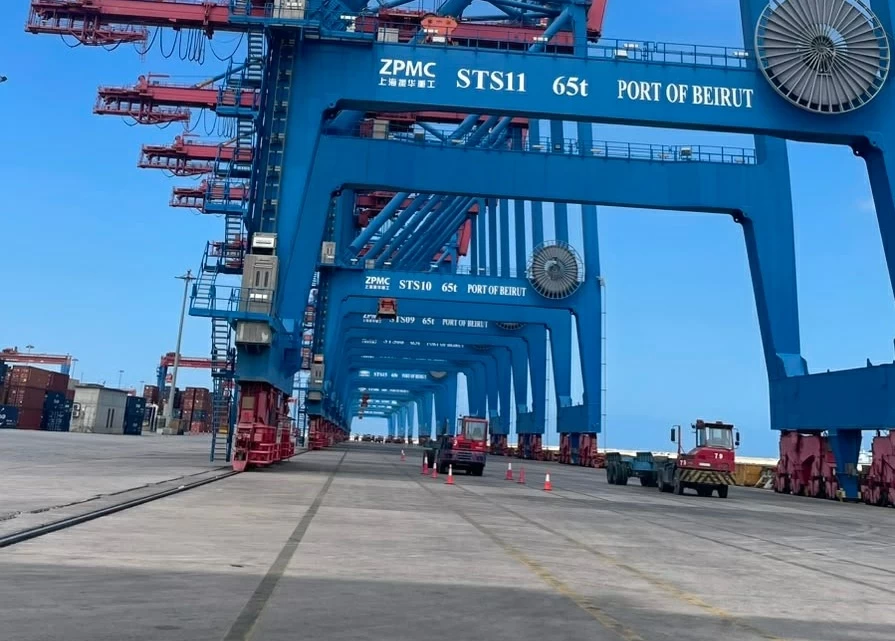
يدخل ملف انفجار مرفأ بيروت عامه السادس، اليوم (الثلاثاء)، على وقع تحول جوهري في مساره القضائي، إذ شارف التحقيق على محطته الحاسمة التي يُنتظر أن تكشف أسرار الفاجعة وتحدد المسؤوليات الكاملة.
يأتي هذا التطور بعد فترة طويلة من الشلل الإداري والعرقلة السياسية التي عرقلت عمل القضاء، قبل أن تتوفر بيئة سياسية جديدة أتاحت للمؤسسة القضائية العمل بجرأة واستقلالية أكبر.
وكان القاضي طارق البيطار انتهى في مارس الماضي من مرحلة التحقيقات الميدانية وجمع الأدلة، عقب إنهائه سلسلة جلسات استماع شملت شخصيات رفيعة من وزراء سابقين ورؤساء أجهزة أمنية وقضاة. وبناءً عليه، نُقل الملف إلى النيابة العامة التمييزية لإعداد مطالعتها القانونية الشاملة حول المعطيات المتوفرة.
وفي كواليس النيابة العامة، يواصل القاضي محمد صعب دراسة آلاف الوثائق، بما فيها شهادات المتهمين والتقارير الفنية الدولية وصور الأقمار الصناعية. وتفيد المعطيات القضائية بأن عملية المراجعة قطعت شوطاً كبيراً، مرجحة عدم الحاجة للتوسع في التحقيق أو طلب جلسات جديدة، مما يعني قرب إعادة أوراق القضية إلى المحقق العدلي في غضون أسابيع قليلة.
وفي هذا السياق، أكد وزير العدل عادل نصار هذا المسار، وقال إن النيابة العامة تعمل برصانة ودون أي مماطلة لإنجاز مطالعتها قبل نهاية العام الحالي مع احترام استقلالية القضاء، مشدداً على أن القرار الظني ليس حكماً نهائياً، بل يمهد لنقل الملف إلى المجلس العدلي الذي أُعيد تشكيله ويكثف اجتماعاته أسبوعياً لضمان المحاكمة العادلة. واعتبر نصار أن هذا المسار يُعد واجباً على الدولة وليس منّة، تحت مظلة رئيس مجلس القضاء الأعلى القاضي سهيل عبود الضامن لحسن سير العمل القضائي.
ويمهد هذا الإجراء الشكلي لإصدار القرار الاتهامي المرتقب، والذي سيتولى تقديم إجابات قطعية حول الملفات الشائكة التي انتظرها اللبنانيون طويلاً: تحديد الأسباب المباشرة: الفصل في حقيقة ما جرى داخل العنبر رقم 12، وما إذا كان الانفجار ثمرة سوء الإدارة وتخزين نترات الأمونيوم، أم نتيجة عمل أمني مُدَبَّر، أم جراء ضربة خارجية.
فك أسرار شحنة الموت: كشف هويات الجهات التي استوردت المواد الخطرة من جورجيا، ومحاسبة من أعطى الأوامر بتفريغها وحراستها طوال سبع سنوات.
المسار الجنائي للمتهمين: البت في وضع المسؤولين الذين استُجوبوا إلى جانب تحديد الوضع القانوني للموقوفين الذين أُخلي سبيلهم سابقاً.
The Beirut port explosion case enters its sixth year today (Tuesday), marked by a significant shift in its judicial trajectory, as the investigation approaches its critical juncture, which is expected to reveal the secrets of the tragedy and determine full responsibilities.
This development comes after a long period of administrative paralysis and political obstruction that hindered the judiciary's work, before a new political environment emerged that allowed the judicial institution to operate with greater courage and independence.
Judge Tarek Bitar concluded the field investigation and evidence collection phase last March, following a series of hearings that included high-profile figures such as former ministers, heads of security agencies, and judges. Consequently, the file was transferred to the Public Prosecution for the preparation of its comprehensive legal opinion regarding the available data.
Behind the scenes of the Public Prosecution, Judge Mohammad Saab continues to study thousands of documents, including testimonies from the accused, international technical reports, and satellite images. Judicial data indicates that the review process has made significant progress, suggesting that there may not be a need to expand the investigation or request new sessions, which means that the case files could be returned to the investigative judge within a few weeks.
In this context, Justice Minister Adel Nassar confirmed this trajectory, stating that the Public Prosecution is working diligently and without any delay to complete its opinion before the end of this year while respecting the independence of the judiciary. He emphasized that the indictment decision is not a final judgment but rather paves the way for transferring the file to the newly reconstituted Judicial Council, which intensifies its meetings weekly to ensure a fair trial. Nassar considered this process a duty of the state, not a favor, under the umbrella of the President of the Supreme Judicial Council, Judge Suhail Abboud, who guarantees the proper functioning of the judicial work.
This formal procedure paves the way for the anticipated indictment decision, which will provide definitive answers regarding the complex files that the Lebanese have long awaited: determining the direct causes: clarifying the truth of what happened inside Hangar 12, and whether the explosion was the result of mismanagement and the storage of ammonium nitrate, a planned security act, or an external strike.
Unraveling the secrets of the deadly shipment: revealing the identities of the parties that imported hazardous materials from Georgia, and holding accountable those who ordered their unloading and guarding for seven years.
The criminal path for the accused: determining the status of the officials who were interrogated alongside defining the legal status of the detainees who were previously released.