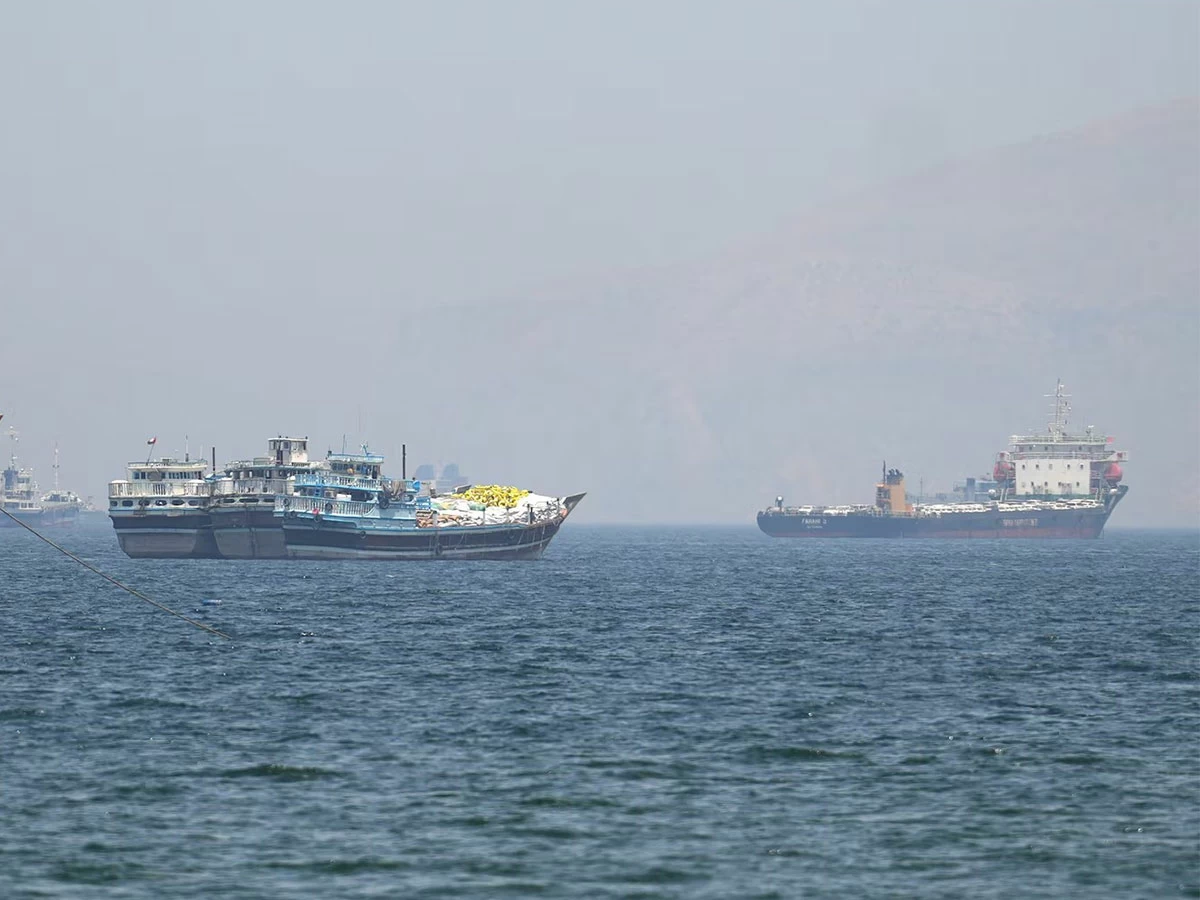
رجح وزير الخزانة الأمريكي سكوت بيسنت إمكانية التوصل إلى اتفاق بين أمريكا وإيران لفتح مضيق هرمز اليوم (الثلاثاء) أو غداً (الأربعاء). وأفاد في مقابلة مع CNBC، بأنه جرى رصد عدد كبير من السفن وهي تخرج من مضيق هرمز حتى في الوقت الحالي.
وتراجعت حركة الملاحة عبر مضيق هرمز إلى مستويات متدنية، مع تصاعد المخاوف الأمنية عقب هجمات وتهديدات استهدفت سفناً في المنطقة، ما دفع بعض ناقلات النفط إلى إيقاف أجهزة التتبع أو تغيير مساراتها نحو البحر الأحمر، وفق ما أوردت وكالة «بلومبيرغ».
كما تراجعت حركة الشحن اليوم، بعدما عبرت ست سفن صغيرة في الاتجاهين مع تشغيل أجهزة الإرسال والاستقبال الخاصة بها قرب إيران، وفقاً لبيانات شركة «كيبلر». وشملت السفن ناقلات بضائع سائبة وناقلات للغاز البترولي المسال. وعبرت ناقلة نفط خام فارغة، هي «تيارا» من طراز «أفراماكس» الخاضعة لعقوبات أمريكية، إلى الخليج العربي دون تشغيل جهاز التتبع، بعدما بقيت متوقفة قبالة سواحل سلطنة عُمان منذ أوائل يوليو.
وأظهرت بيانات تتبع السفن أن «تيارا» شوهدت وهي تبحر باتجاه الخليج العربي، وفي اتجاه جزيرة خرج الإيرانية.
وتدهورت سلامة الملاحة البحرية في المنطقة بعد سلسلة من الهجمات خلال الأيام الأخيرة، من بينها هجوم استهدف سفينة شحن خلال الليل.
واضطرت ناقلة النفط العملاقة «إيجيبت بروسبيريتي»، الأحد الماضي، إلى إلغاء محاولة للخروج من الخليج العربي، بعد تلقيها تهديدات مباشرة عبر جهاز الاتصال اللاسلكي، فيما أفاد طاقمها بسماع انفجارات في محيطها، وفق تنبيهات أصدرتها شركات استشارات أمنية واطلعت عليها الوكالة.
وكانت الناقلة العملاقة محملة بالنفط الخام العراقي ومتجهة إلى الصين، بحسب بيانات تتبع السفن. وتدير الناقلة مجموعة «سينوكور» الكورية الجنوبية.
ولا تزال شحنات النفط الخام تغادر الخليج العربي، وغالباً على متن ناقلات أوقفت أجهزة التتبع الخاصة بها، فيما تعبر السفن الفارغة المضيق دون تشغيل أجهزة التتبع.
وعبرت أربع ناقلات نفط خام عملاقة من طراز (VLCC) مضيق هرمز منذ نهاية الأسبوع، وفقاً لبيانات شركة «فورتكسا»، ومن المقرر أن تتوجه لتحميل شحنات من الإمارات والعراق وقطر.
وفي البحر الأحمر، دخلت ناقلة النفط العملاقة «باهلا» الممر المائي عبر باب المندب (الإثنين)، مع تشغيل جهاز التتبع الخاص بها، بعد أن بقيت متوقفة في خليج عُمان منذ أوائل يوليو.
وبدأت بعض ناقلات النفط خلال الأيام الأخيرة تغيير مساراتها من المياه المحيطة بمضيق هرمز إلى البحر الأحمر؛ بسبب حالة عدم اليقين بشأن سلامة الملاحة بالقرب من الخليج العربي.
وهيمنت سفن البضائع السائبة الجافة على حركة الملاحة المرصودة في الاتجاهين عبر مضيق باب المندب، ولم تخرج، أمس (الإثنين)، سوى شحنة نفط خام روسية واحدة باتجاه خليج عدن.
The U.S. Treasury Secretary, Scott Piesen, suggested the possibility of reaching an agreement between the U.S. and Iran to open the Strait of Hormuz today (Tuesday) or tomorrow (Wednesday). He stated in an interview with CNBC that a large number of ships have been observed exiting the Strait of Hormuz even at this moment.
Shipping traffic through the Strait of Hormuz has declined to low levels, with rising security concerns following attacks and threats targeting vessels in the region, prompting some oil tankers to turn off their tracking devices or change their routes towards the Red Sea, according to Bloomberg.
Shipping activity also decreased today, after six small ships crossed in both directions while operating their transponders near Iran, according to data from Kepler. The vessels included bulk carriers and liquefied petroleum gas carriers. An empty crude oil tanker, the "Tiara," an Aframax class vessel under U.S. sanctions, crossed into the Arabian Gulf without activating its tracking device, after remaining stationary off the coast of Oman since early July.
Tracking data showed that the "Tiara" was seen sailing towards the Arabian Gulf, heading towards the Iranian island of Kharg.
The safety of maritime navigation in the region has deteriorated following a series of attacks in recent days, including an attack on a cargo ship during the night.
The giant oil tanker "Egypt Prosperity" was forced last Sunday to abort an attempt to exit the Arabian Gulf after receiving direct threats via radio communication, while its crew reported hearing explosions in its vicinity, according to alerts issued by security consulting firms that the agency reviewed.
The giant tanker was loaded with Iraqi crude oil and heading to China, according to vessel tracking data. The tanker is operated by the South Korean group "Sinopec."
Crude oil shipments continue to leave the Arabian Gulf, often aboard tankers that have turned off their tracking devices, while empty vessels cross the strait without activating their tracking systems.
Four very large crude carriers (VLCCs) have crossed the Strait of Hormuz since the weekend, according to data from Fortexa, and are set to head for loading shipments from the UAE, Iraq, and Qatar.
In the Red Sea, the giant oil tanker "Bahla" entered the waterway through Bab el-Mandeb (Monday), with its tracking device activated, after remaining stationary in the Gulf of Oman since early July.
Some oil tankers have begun in recent days to change their routes from the waters surrounding the Strait of Hormuz to the Red Sea due to uncertainty regarding the safety of navigation near the Arabian Gulf.
Dry bulk carriers dominated the observed shipping traffic in both directions through the Bab el-Mandeb Strait, with only one Russian crude oil shipment heading towards the Gulf of Aden yesterday (Monday).