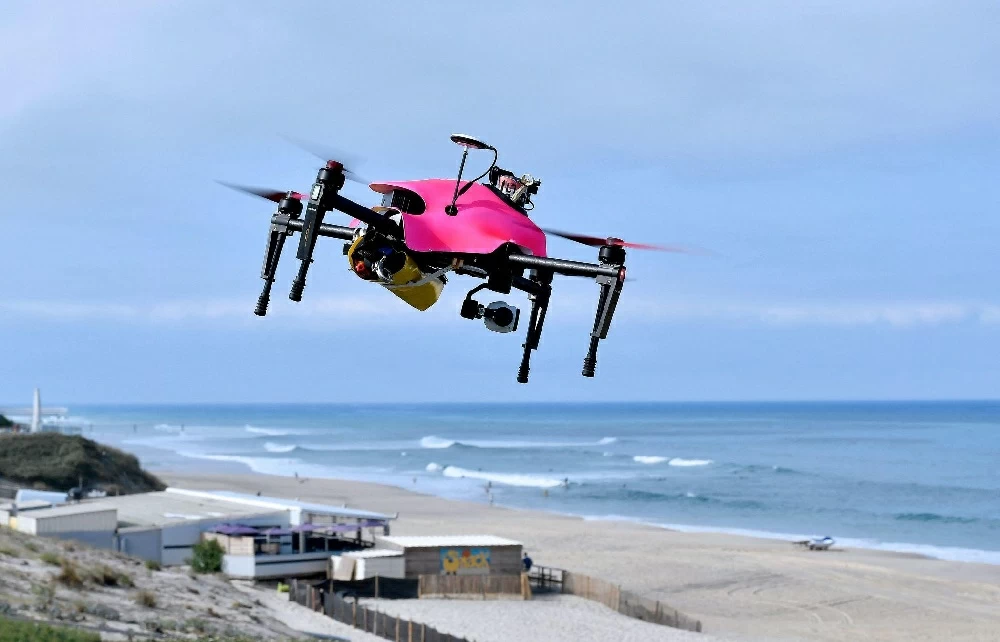
بدأت السلطات الفرنسية اختبار طائرات درون مدعومة بتقنيات الذكاء الاصطناعي لرصد الأشخاص المعرّضين لخطر الغرق وإلقاء عوامات إنقاذ لهم عند الحاجة، في ظل ارتفاع حالات الغرق التي شهدتها البلاد عقب ثلاث موجات حر متتالية منذ مايو الماضي.
وتعتمد المنظومة على طائرات درون مزودة بكاميرات حرارية، قادرة على مراقبة الشواطئ ورصد السلوكيات غير الاعتيادية للسباحين، وإرسال رسائل صوتية تحذيرية، وإسقاط عوامات إنقاذ تلقائياً عند الضرورة، كما تتيح للمنقذين التحكم بها عن بُعد للاستجابة السريعة للحوادث.
تتولى شركة فرنسية متخصصة تنفيذ المشروع بدعم من جهات محلية، وسط توقعات بالحصول على التراخيص اللازمة خلال الشهر القادم، تمهيداً لتشغيله بصورة كاملة بحلول صيف عام 2027.
أكد القائمون على المشروع أن التقنية الجديدة تهدف إلى دعم أعمال فرق الإنقاذ، وتوسيع نطاق مراقبة الشواطئ خلال الفترات التي لا تتوافر فيها دوريات الإنقاذ، ولا سيما مع تزايد الإقبال على السواحل خلال موجات الحر.
يأتي المشروع في وقت سجلت فيه فرنسا خلال الشهرين ونصف الشهر الماضيين وفاة 274 شخصاً غرقاً في البحار والأنهار والمسابح الخاصة، إلى جانب تسجيل حالات غرق أخرى تسببت في مضاعفات صحية خطرة.
The French authorities have begun testing drones powered by artificial intelligence technologies to monitor individuals at risk of drowning and to drop life buoys for them when necessary, amid rising drowning incidents that the country has experienced following three consecutive heatwaves since last May.
The system relies on drones equipped with thermal cameras, capable of monitoring beaches and detecting unusual behaviors of swimmers, sending warning voice messages, and automatically dropping life buoys when needed. It also allows lifeguards to control them remotely for quick response to incidents.
A specialized French company is implementing the project with support from local entities, with expectations to obtain the necessary licenses during the coming month, paving the way for full operation by the summer of 2027.
Project leaders confirmed that the new technology aims to support the work of rescue teams and expand beach monitoring during periods when lifeguard patrols are unavailable, especially with the increasing influx to the coasts during heatwaves.
The project comes at a time when France has recorded 274 drowning deaths in seas, rivers, and private pools over the past two and a half months, in addition to other drowning incidents that have led to serious health complications.