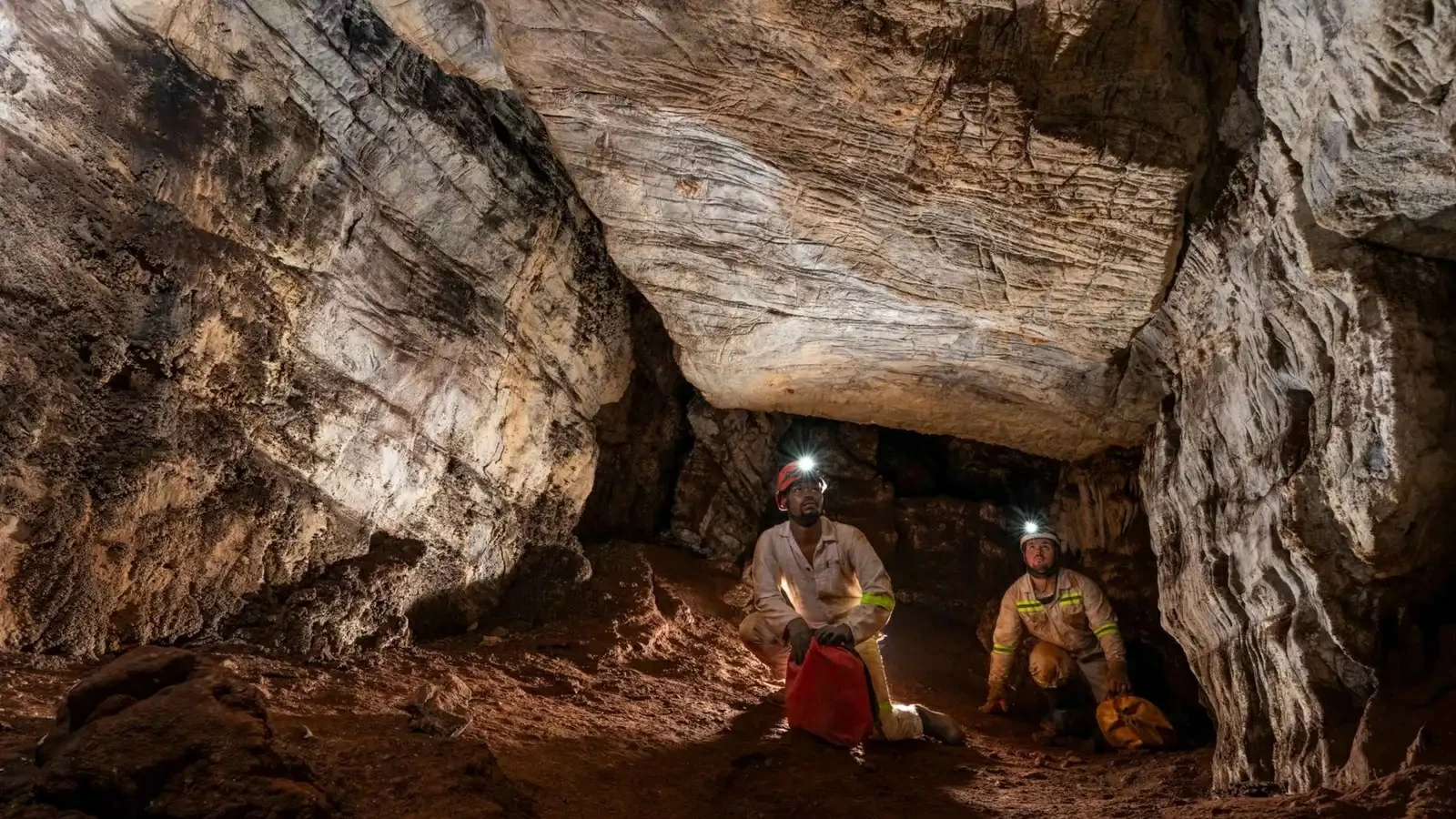
في ممراتٍ صخرية ضيقة، بالغة الظلمة، داخل أعماق سحيقة لكهف مخيف لا يمكن عبوره إلا زحفاً على الأيدي والركب تحت ضوء المشاعل الخافت. في نهاية هذا المسار الانتحاري، تكمن المفاجأة الصادمة: مقبرة جماعية منظمة ومخصصة للإناث فقط، يعود تاريخها إلى مئات آلاف السنين قبل أن يضع الإنسان الحديث بصمته على الأرض!
هذا ليس مشهداً من فيلم إثارة وخيال علمي، بل هو كشف أثري حقيقي صدم الأوساط العلمية من أعماق كهف «رايزينغ ستار» القريب من جوهانسبرغ في جنوب أفريقيا. الاكتشاف لم يثر حيرة العلماء فحسب، بل جاء ليعيد كتابة فصول التاريخ البشري بالكامل، ويكسر واحدة من أقدس النظريات الأنثروبولوجية السائدة.
لغز الطقوس الجنائزية
قاد عالم الأنثروبولوجيا البروفيسور لي بيرغر بالتعاون مع جمعية «ناشيونال جيوغرافيك» الأمريكية، مشروعاً استكشافياً مثيراً في أعماق الكهف الأفريقي، ليعثر الفريق على رفات يعود تاريخها لنحو 300 ألف عام.
لكن اللغز الأكبر ظهر داخل المختبرات، إذ أجرت الدكتورة باليسا مادوبي اختبارات دقيقة للبروتينات القديمة في جامعة كوبنهاغن، لتثبت النتائج حقيقة غير متوقعة:
جميع الهياكل العظمية التي عُثر عليها في تلك الغرفة العميقة تعود بدرجة يقين فائقة للإناث فقط من فصيلة أشباه البشر المعروفة باسم «هومو ناليدي» (Homo naledi).
هذا الفحص المخبري يطرح فرضية مذهلة: كان لدى هذه الكائنات المنقرضة تقليد اجتماعي وثقافي صارم يفرض دفن نسائهن في مكان مخصص ومقدس بعيداً عن الأعين في أعماق الأرض.
لم يكن نقل الجثامين إلى هذا العمق السحيق نزهة سهلة، فالوصول إلى المقبرة كان يتطلب جهداً بدنياً خارقاً وتخطيطاً جماعياً يثير الدهشة:
- زحف في ممرات مميتة: كان عليهم عبور شقوق صخرية بالغة الضيق تسع بالكاد لجسد واحد.
- قهر الظلام بالنار: تطلب الهبوط استخدام المشاعل النارية للإنارة، مما يثبت قدرتهم على السيطرة على النار واستخدامها كأداة حيوية للعمل في الأعماق.
ويعكس هذا السلوك الجنائزي المعقد وجود معتقدات اجتماعية متقدمة جداً وهوية ثقافية تسبق فجر البشرية الحديثة بكثير.
وتكمن المفارقة في أنه لعقود طويلة، آمن علماء الأنثروبولوجيا بنظرية ثابتة تقول إن الذكاء والطقوس المعقدة والثقافة لا تظهر إلا لدى الكائنات ذات الأدمغة الكبيرة (مثل الإنسان الحديث والنياندرتال).
لكن «هومو ناليدي» جاء ليحطم هذه القاعدة تماماً، فعلى الرغم من أن حجم أدمغتهم كان أصغر بكثير من دماغنا اليوم، إلا أنهم نجحوا في تأسيس طقوس دفن معقدة وفصل جنس الإناث فيها، والسيطرة على النار، بل ونحت رسومات هندسية داخل الكهوف.
هذا الكشف المثير لا يثبت فقط أن «النساء أولاً» قد تكون قاعدة جنائزية قديمة جداً، بل يثبت أن حجم الدماغ لم يكن يوماً العائق أمام امتلاك عقل يقدس الموتى، ويترك خلفه ألغازاً تعجز عقول القرن الحادي والعشرين عن فك شفرتها!
In narrow, rocky corridors, shrouded in darkness, deep within the depths of a terrifying cave that can only be traversed by crawling on hands and knees under the faint light of torches. At the end of this suicidal path lies a shocking surprise: an organized mass grave designated solely for females, dating back hundreds of thousands of years before modern humans left their mark on the Earth!
This is not a scene from a thriller or science fiction movie, but a real archaeological discovery that has stunned the scientific community from the depths of the "Rising Star" cave near Johannesburg, South Africa. The discovery has not only puzzled scientists but has also come to rewrite entire chapters of human history and break one of the most sacred prevailing anthropological theories.
The Mystery of Funerary Rituals
Led by anthropologist Professor Lee Berger in collaboration with the American "National Geographic" Society, an exciting exploratory project was conducted in the depths of the African cave, where the team found remains dating back approximately 300,000 years.
But the bigger mystery emerged within the laboratories, as Dr. Palessa Madubi conducted precise tests on ancient proteins at the University of Copenhagen, revealing an unexpected truth:
All the skeletons found in that deep chamber belong with a high degree of certainty solely to females of the hominin species known as "Homo naledi."
This laboratory examination raises an astonishing hypothesis: these extinct beings had a strict social and cultural tradition that mandated the burial of their women in a designated and sacred place away from prying eyes deep within the Earth.
Transporting the bodies to this profound depth was no easy task, as reaching the grave required extraordinary physical effort and collective planning that is astonishing:
- Crawling through deadly corridors: They had to cross extremely narrow rock fissures that barely accommodated a single body.
- Conquering darkness with fire: The descent required the use of fire torches for illumination, proving their ability to control fire and use it as a vital tool for working in the depths.
This complex funerary behavior reflects the existence of very advanced social beliefs and a cultural identity that predates the dawn of modern humanity by a significant margin.
The irony is that for decades, anthropologists believed in a fixed theory stating that intelligence, complex rituals, and culture only emerged in beings with large brains (such as modern humans and Neanderthals).
But "Homo naledi" has come to completely shatter this rule, as despite their brain size being much smaller than ours today, they succeeded in establishing complex burial rituals that separated the female gender, controlling fire, and even carving geometric drawings inside caves.
This exciting discovery not only proves that "women first" may be a very ancient funerary principle but also demonstrates that brain size was never a barrier to possessing a mind that venerates the dead, leaving behind mysteries that the minds of the twenty-first century struggle to decode!