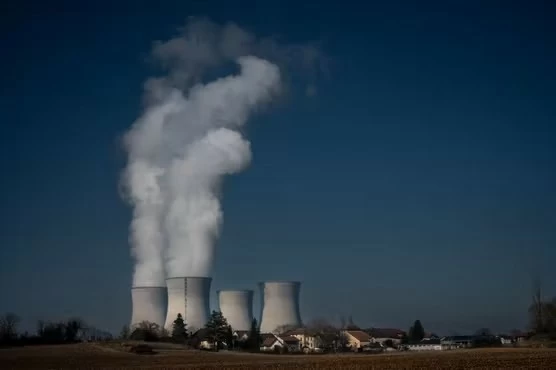
أعلنت شركة الكهرباء الفرنسية إيقاف تشغيل ثلاثة مفاعلات نووية مؤقتاً، إلى جانب خفض إنتاج ثمانية مفاعلات أخرى، في ظل موجة حر شديدة تضرب أنحاء واسعة من البلاد، وذلك للحد من التأثيرات البيئية الناتجة عن ارتفاع درجات الحرارة.
وأوضحت الشركة، بحسب صحيفة لوموند، أن المفاعلات المتوقفة تقع في محطات غولفيش وبوجيه وشوز، المقامة على ضفاف أنهار غارون والرون والموز، مشيرة إلى أن القرار جاء امتثالاً للضوابط البيئية الخاصة بدرجات حرارة المياه التي تُعاد إلى الأنهار بعد استخدامها في تبريد المفاعلات.
وتعتمد المحطات النووية الفرنسية على مياه الأنهار لتبريد المفاعلات، قبل إعادة ضخها إلى المجاري المائية، إلا أن استمرار موجة الحر يرفع حرارة الأنهار بشكل ملحوظ، ما يستدعي تقليل أو وقف تشغيل بعض المفاعلات لتجنب زيادة حرارة المياه والإضرار بالنظم البيئية.
وفي المقابل، منحت وزارة الاقتصاد الفرنسية استثناءً مؤقتاً يسمح بتجاوز الحدود المعتادة لدرجة حرارة المياه المعادة إلى نهر الرون بالقرب من محطة بوجيه، وذلك لضمان استقرار شبكة الكهرباء الوطنية، على أن يستمر العمل بهذا الاستثناء حتى 20 يوليو.
وتُعد هذه المرة الثانية خلال أسابيع قليلة التي تضطر فيها شركة الكهرباء الفرنسية إلى إيقاف بعض مفاعلاتها النووية بسبب درجات الحرارة المرتفعة، بعدما شهدت البلاد في يونيو الماضي موجة حر قياسية أثرت أيضاً في إنتاج الطاقة.
وتعيش فرنسا، ثالث موجة حر تضرب البلاد منذ شهر مايو، إذ وضعت هيئة الأرصاد الجوية أكثر من ثلث المناطق الفرنسية تحت أعلى درجات التحذير المناخي، فيما يتعرض أكثر من 25 مليون شخص لدرجات حرارة قد تصل إلى 41 درجة مئوية.
وأدت موجة الحر إلى اضطرابات واسعة، شملت إغلاق عدد من المواقع السياحية مبكراً، وإلغاء فعاليات جماهيرية، وتقصير إحدى مراحل سباق «طواف فرنسا» للدراجات، فضلاً عن اندلاع حرائق غابات في عدة مناطق وارتفاع حالات الغرق مع إقبال السكان على المسطحات المائية هرباً من الحرارة.
ومنذ نهاية مايو الماضي، تتعرض فرنسا لسلسلة متكررة من موجات الحر الشديدة، التي تسببت في ارتفاع معدلات الوفيات وكشفت تحديات تواجه البنية التحتية في التعامل مع الظواهر المناخية المتطرفة، في وقت يربط فيه العلماء تزايد هذه الأحداث بتغير المناخ الناجم عن الأنشطة البشرية.
The French electricity company announced the temporary shutdown of three nuclear reactors, along with a reduction in the production of eight other reactors, amid a severe heatwave affecting large parts of the country, in order to limit the environmental impacts resulting from rising temperatures.
The company explained, according to Le Monde newspaper, that the stopped reactors are located at the Golfech, Bugey, and Chooz plants, situated along the banks of the Garonne, Rhône, and Meuse rivers, noting that the decision was made in compliance with environmental regulations regarding the temperature of the water that is returned to the rivers after being used for cooling the reactors.
The French nuclear plants rely on river water to cool the reactors before pumping it back into the waterways; however, the ongoing heatwave significantly raises the temperature of the rivers, necessitating the reduction or shutdown of some reactors to avoid increasing water temperatures and harming ecosystems.
In contrast, the French Ministry of Economy granted a temporary exemption allowing the usual limits for the temperature of water returned to the Rhône River near the Bugey plant to be exceeded, in order to ensure the stability of the national electricity grid, with this exemption set to remain in effect until July 20.
This marks the second time in a few weeks that the French electricity company has had to shut down some of its nuclear reactors due to high temperatures, following a record heatwave in June that also affected energy production.
France is experiencing its third heatwave since May, with the meteorological agency placing more than a third of French regions under the highest climate warning levels, while over 25 million people are exposed to temperatures that could reach 41 degrees Celsius.
The heatwave has led to widespread disruptions, including the early closure of several tourist sites, the cancellation of public events, and the shortening of one stage of the Tour de France cycling race, as well as wildfires breaking out in several areas and an increase in drowning incidents as residents flock to water bodies to escape the heat.
Since the end of May, France has been subjected to a series of recurring severe heatwaves, which have caused an increase in mortality rates and revealed challenges facing infrastructure in dealing with extreme weather phenomena, at a time when scientists link the rise in these events to climate change resulting from human activities.