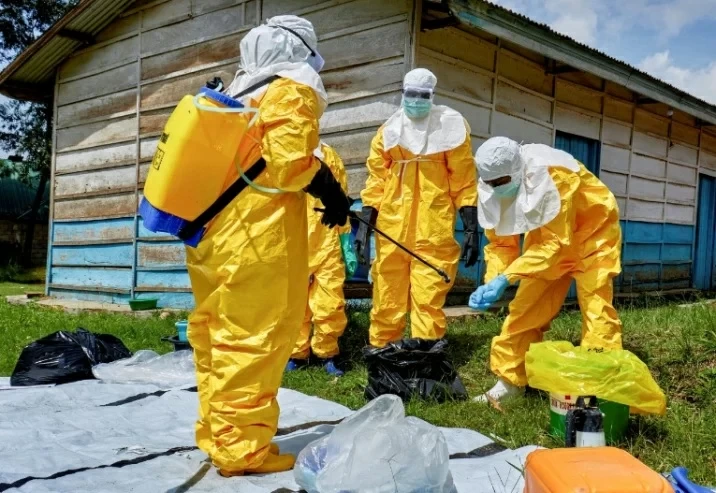
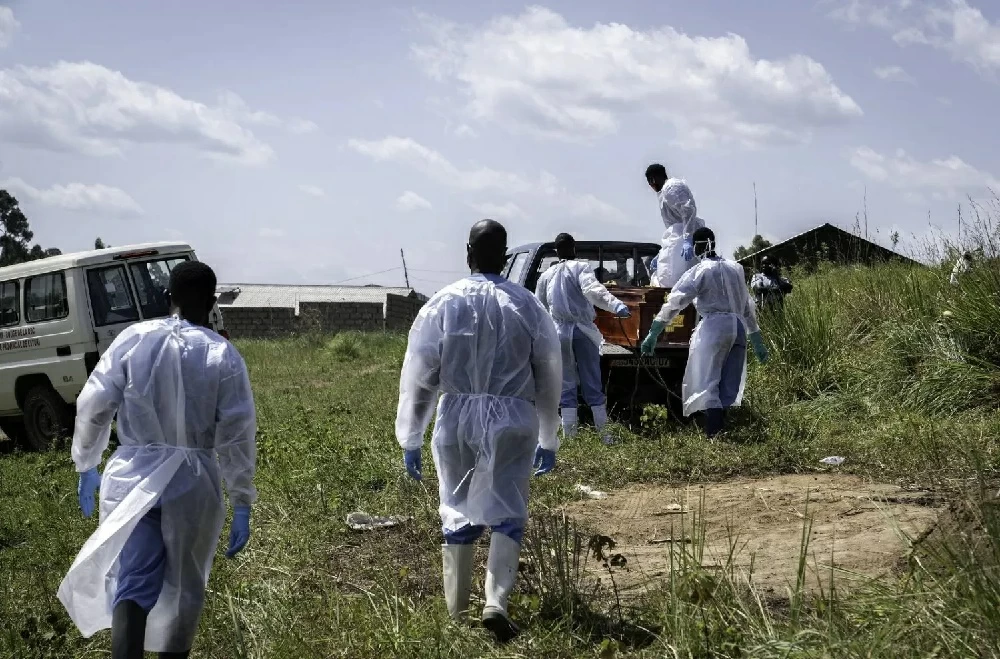
اتسع المشهد الوبائي في جمهورية الكونغو الديمقراطية ليأخذ منحى أكثر خطورة، بعدما تمدد فايروس إيبولا إلى إقليمين جديدين في شمال شرق البلاد، في تطور يعيد رسم خريطة التفشي السابع عشر للمرض داخل الدولة الإفريقية.
التفشي الذي أُعلن عنه منتصف (مايو) ظل متركزًا في إيتوري، لكنه اليوم يطرق أبواب تشوبو وأوت‑ويلي، رافعاً مستوى القلق الصحي إلى درجات غير مسبوقة.
البيانات الرسمية الصادرة (مساء الأحد) كشفت عن ارتفاع عدد الإصابات المؤكدة إلى 1926 حالة، بينها 702 وفاة، فيما رُصدت أربع إصابات في تشوبو توفي اثنان منهم، إضافة إلى وفاة مؤكدة في أوت‑ويلي. ورغم أن التحقيقات تشير إلى أن الحالات الجديدة وافدة من مدينة نيانيا في إيتوري، فإن السلطات الصحية تؤكد أن الإقليمين أصبحا جزءاً من خارطة التفشي الوبائي، ما يستدعي توسيع نطاق الاستجابة.
**media«2736421»**
تقرير المعهد الوطني للصحة العامة شدد على ضرورة التعامل مع الانتشار الجديد بجدية، خصوصاً بعد تحذيرات منظمة الصحة العالمية التي رجّحت أن يكون حجم التفشي الحقيقي أكبر بمرتين إلى أربع مرات من الأرقام الرسمية، نظراً لعدم وجود صلة واضحة بين معظم الإصابات الجديدة وحالات معروفة. ومع بدء تتبع المخالطين في الإقليمين، تدخل مدن كيسانغاني الحدودية ضمن دائرة القلق، في وقت يواصل الفيروس الانتشار عبر الاتصال المباشر بسوائل المصابين، مسبباً أعراضاً قاتلة تشمل الحمى والقيء والنزيف الداخلي والخارجي.
التطورات الأخيرة تعيد التأكيد على أن إيبولا لا يزال واحداً من أخطر التهديدات الصحية في إفريقيا، وأن السيطرة عليه تتطلب استجابة سريعة، وتنسيقاً دولياً، ومراقبة دقيقة للمناطق التي قد تتحول إلى بؤر جديدة للتفشي.
The epidemiological scene in the Democratic Republic of the Congo has expanded to take on a more serious turn, as the Ebola virus has spread to two new provinces in the northeast of the country, in a development that redraws the map of the seventeenth outbreak of the disease within the African nation.
The outbreak, which was announced in mid-May, remained concentrated in Ituri, but today it is knocking on the doors of Chopo and Haut-Uele, raising the level of health concern to unprecedented heights.
Official data released (on Sunday evening) revealed an increase in the number of confirmed cases to 1,926, including 702 deaths, while four cases were reported in Chopo, two of whom died, in addition to a confirmed death in Haut-Uele. Although investigations indicate that the new cases are coming from the city of Nyanya in Ituri, health authorities confirm that the two provinces have become part of the epidemic outbreak map, necessitating an expansion of the response efforts.
كونغو
The report from the National Institute of Public Health emphasized the need to address the new spread seriously, especially after warnings from the World Health Organization, which suggested that the actual scale of the outbreak could be two to four times larger than the official figures, due to the lack of a clear link between most of the new infections and known cases. As contact tracing begins in the two provinces, the border city of Kisangani falls within the circle of concern, while the virus continues to spread through direct contact with the bodily fluids of the infected, causing fatal symptoms that include fever, vomiting, and internal and external bleeding.
Recent developments reaffirm that Ebola remains one of the most dangerous health threats in Africa, and that controlling it requires a rapid response, international coordination, and close monitoring of areas that could turn into new hotspots for the outbreak.