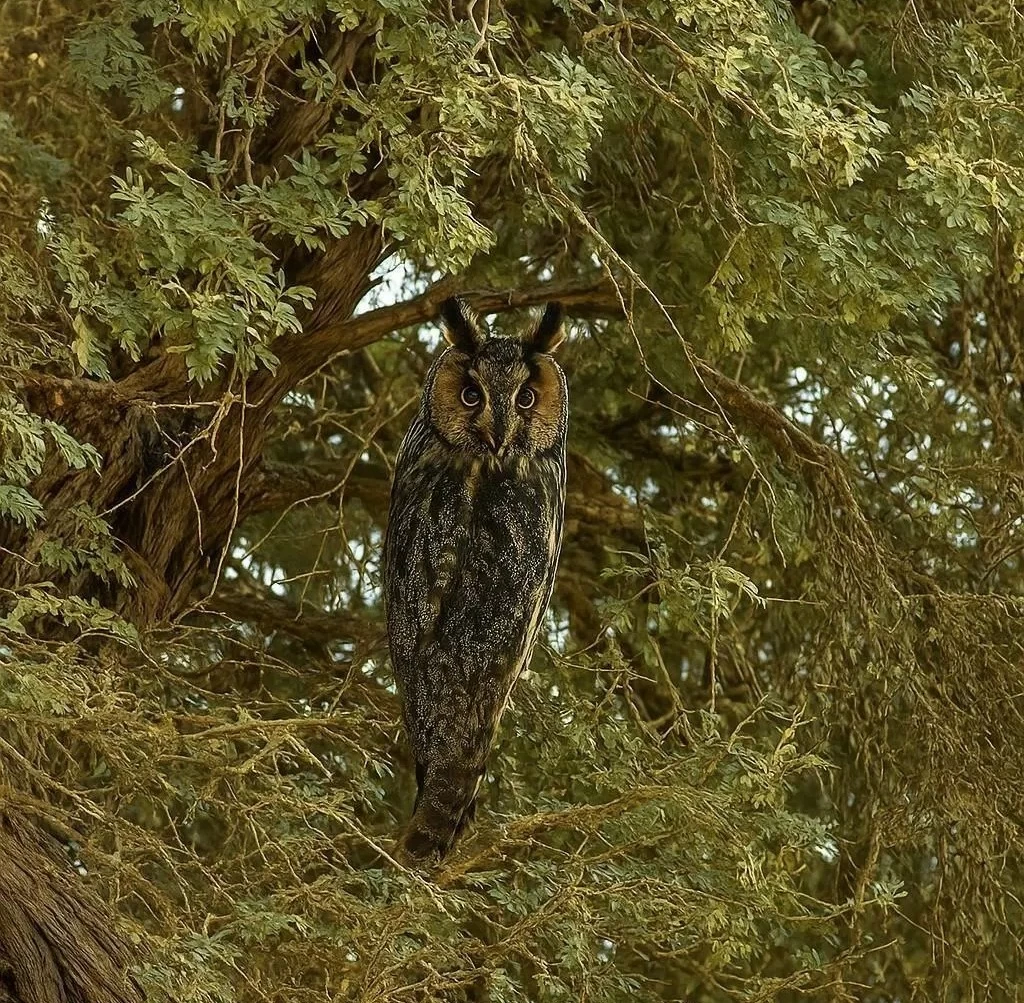
أعلنت هيئة تطوير محمية الملك عبدالعزيز الملكية إنجازاً بيئياً جديداً يعزز مكانتها كإحدى الوجهات الوطنية في صون التنوع الأحيائي، بتوثيق أول رصد مؤكد لـ9 أنواع من الطيور المهاجرة والنادرة داخل المحمية، في تسجيل علمي يُعد إضافة نوعية للسجلات الطيرية في المملكة العربية السعودية وشبه الجزيرة العربية. وكشف المتحدث باسم هيئة تطوير محمية الملك عبدالعزيز الملكية عبدالعزيز الفريح أنه جرى توثيق هذه الأنواع من خلال مسح ميداني شامل استمر لمدة عام، نفذه فريق بحثي مشترك ضم مختصين من الهيئة وجامعة الملك سعود، حيث اعتمد على منهجية علمية دقيقة تمثلت في «طريقة العد النقطي المنتظم»، وشملت الدراسة رصد طيور تنتمي إلى 5 رتب و8 عائلات تصنيفية، تتنوع بين طيور برية ومائية، وأخرى شاردة عن مسارات هجرتها المعتادة.
ونُشرت نتائج الدراسة في مجلة «Check List» العالمية المحكمة، إحدى الدوريات العلمية المتخصصة في توثيق بيانات التنوع البيولوجي وعلم الطيور، ما يمثل دوراً محورياً في رصد الأنواع النادرة والشاردة، وتحديث الخرائط الجغرافية لمسارات الهجرة، ويُعد نشر هذه النتائج توثيقاً علمياً مرجعياً لتنوع الطيور في المملكة العربية السعودية، ويؤكد جودة الجهود العلمية المشتركة المبذولة داخل المحمية. وضمّت القائمة الموثقة لأول مرة كلاً من: الصقر الوكري، والبومة طويلة الأذن، والزرزور الوردي، والعصفور أصفر الحلق، والدُّرَّسة سوداء الرأس، والنورس رقيق المنقار، والزقزاق الأوراسي، والزقزاق مهمازي الجناح، إضافة إلى طائر الفلامنغو الكبير (النحام الأكبر)، في دلالة على تنوع بيئي يعكس قدرة المحمية على استقطاب أنواع نادرة وعابرة لمسافات طويلة عبر شبه الجزيرة العربية. وسجلت الدراسة الميدانية هذه النتائج عبر التنوع التضاريسي للمحمية، الذي يمتد على مساحة تتجاوز 28 ألف كيلومتر مربع، ويشمل الأودية الغنية بالغطاء النباتي، والمسطحات المائية والبحيرات الاصطناعية خلف السدود، التي أصبحت موائل حيوية للطيور المهاجرة، وأسهمت في تعزيز كفاءة النظم البيئية بعد تحسنها نتيجة إجراءات الحماية ومنع الرعي والصيد الجائر. ويأتي هذا الاكتشاف امتداداً لسلسلة من الإنجازات العلمية التي حققتها المحمية خلال السنوات الأخيرة، والتي توجت بإدراجها في القائمة الخضراء للاتحاد الدولي لحفظ الطبيعة (IUCN)، بما يعزز مكانتها كمنصة وطنية وعالمية للبحث والرصد البيئي، ويؤكد دورها في دعم جهود حماية الحياة الفطرية واستدامة النظم البيئية. وتواصل الهيئة تنفيذ برامج الرصد والدراسات العلمية بالشراكة مع المؤسسات الأكاديمية والبحثية؛ بهدف توثيق الأنواع الفطرية ورصد أنماط هجرتها وتوزيعها، وتطوير قواعد بيانات علمية دقيقة تدعم اتخاذ القرار البيئي المبني على المعرفة، وتسهم في استدامة الموارد الطبيعية للأجيال القادمة.
The King Abdulaziz Royal Reserve Development Authority has announced a new environmental achievement that enhances its status as one of the national destinations for biodiversity conservation, by documenting the first confirmed sighting of 9 species of migratory and rare birds within the reserve. This scientific record is considered a qualitative addition to the avian records in the Kingdom of Saudi Arabia and the Arabian Peninsula. The spokesperson for the King Abdulaziz Royal Reserve Development Authority, Abdulaziz Al-Furaih, revealed that these species were documented through a comprehensive field survey that lasted for a year, conducted by a joint research team comprising specialists from the authority and King Saud University. The survey relied on a precise scientific methodology represented in the "systematic point count method," and the study included the observation of birds belonging to 5 orders and 8 taxonomic families, varying between terrestrial and aquatic birds, as well as others straying from their usual migratory paths.
The results of the study were published in the peer-reviewed international journal "Check List," one of the specialized scientific journals documenting biodiversity and ornithology data. This represents a pivotal role in monitoring rare and stray species and updating geographical maps of migratory routes. The publication of these results serves as a scientific reference documenting the diversity of birds in the Kingdom of Saudi Arabia and confirms the quality of the joint scientific efforts made within the reserve. The documented list for the first time includes: the Lanner Falcon, the Long-eared Owl, the Pink Starling, the Yellow-throated Sparrow, the Black-headed Weaver, the Slender-billed Gull, the Eurasian Curlew, the Wing-spurred Sandpiper, in addition to the Greater Flamingo (Phoenicopterus roseus), indicating an environmental diversity that reflects the reserve's ability to attract rare and long-distance migratory species across the Arabian Peninsula. The field study recorded these results across the diverse topography of the reserve, which spans over 28,000 square kilometers, including valleys rich in vegetation, water bodies, and artificial lakes behind dams, which have become vital habitats for migratory birds and have contributed to enhancing the efficiency of ecosystems following improvements due to protection measures and the prevention of overgrazing and poaching. This discovery is a continuation of a series of scientific achievements that the reserve has accomplished in recent years, culminating in its inclusion in the International Union for Conservation of Nature (IUCN) Green List, which enhances its status as a national and global platform for environmental research and monitoring, and confirms its role in supporting efforts to protect wildlife and sustain ecosystems. The authority continues to implement monitoring programs and scientific studies in partnership with academic and research institutions, aiming to document native species and monitor their migratory patterns and distribution, develop accurate scientific databases that support knowledge-based environmental decision-making, and contribute to the sustainability of natural resources for future generations.