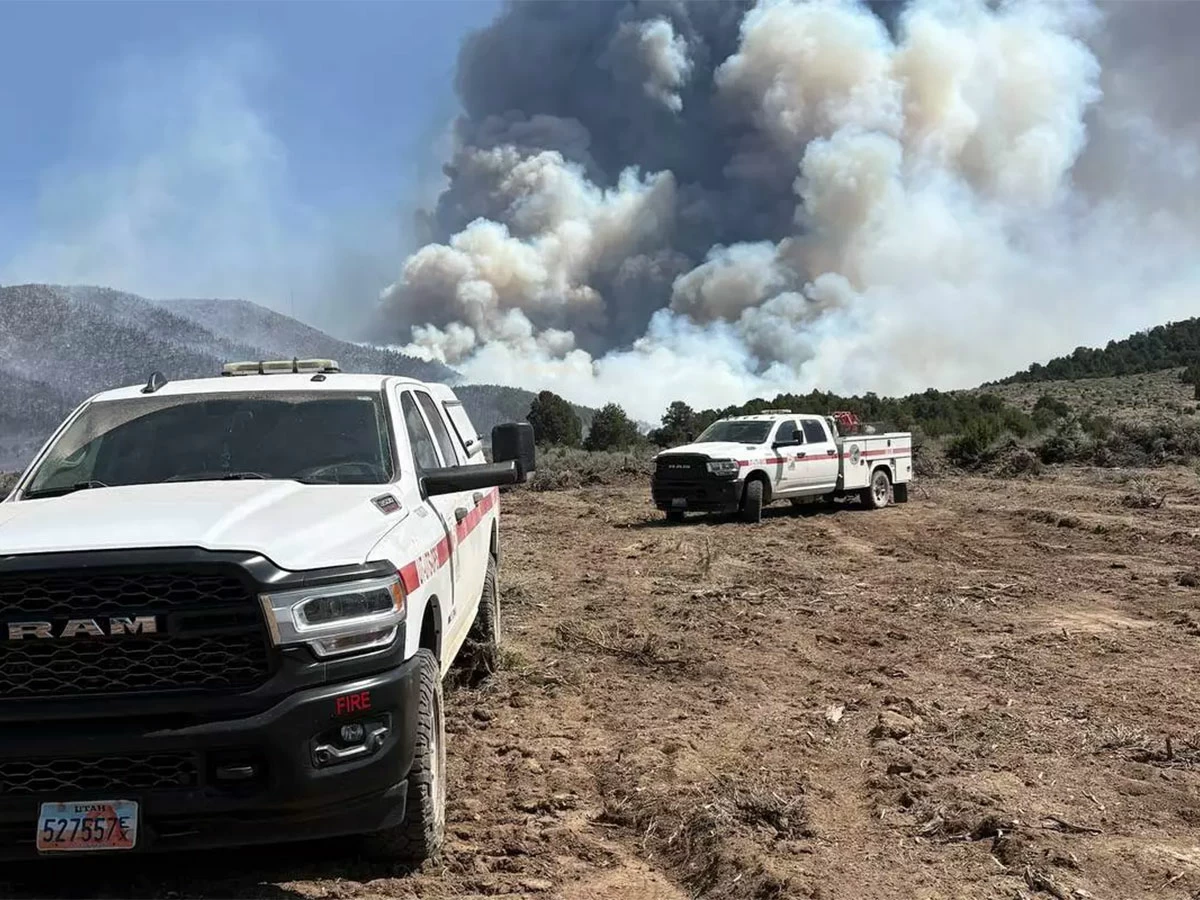
في مشهد يعكس تصاعد المخاطر المناخية التي تواجهها الولايات المتحدة، اجتاحت موجة من الحرائق الواسعة مناطق عدة في غرب البلاد، مدفوعة بارتفاع درجات الحرارة والجفاف الشديد، إلى جانب الرياح القوية التي ساهمت في انتشار النيران بوتيرة متسارعة.
وأعلنت هيئة الغابات والأراضي العامة في ولاية يوتا أن الولاية تشهد أخطر الحرائق المسجلة حالياً، بعدما خرجت النيران عن نطاق السيطرة، ما استدعى إخلاء بلدة يوريكا الصغيرة ومزرعة مجاورة حفاظاً على سلامة السكان.
وامتد الحريق على مساحة تُقدَّر بنحو 87 كيلومتراً مربعاً، وسط تحذيرات من استمرار توسعه نتيجة الظروف الجوية الجافة. ونقلت وسائل إعلام أمريكية عن مسؤولة الوقاية من الحرائق في الهيئة، كيلي ويكنز، تأكيدها أن التحقيقات الأولية تشير إلى أن الحريق نجم عن فعل بشري، فيما باشرت الجهات المختصة تحقيقاً لتحديد المسؤول عن اندلاعه.
وفي ولاية أريزونا، تواصل فرق الإطفاء جهودها للسيطرة على حريق آخر أتى على ما يقارب 120 هكتاراً من الأراضي الوعرة، في ظل تحديات ميدانية تعرقل عمليات الاحتواء السريع.
وتشهد معظم مناطق غرب الولايات المتحدة، من جبال روكي وصولاً إلى ساحل المحيط الهادئ، درجات حرارة تفوق معدلاتها المعتادة لهذا الوقت من العام. وحذر مسؤولون من أن استمرار الأجواء الحارة والجافة قد يؤدي إلى اندلاع المزيد من الحرائق خلال الأيام القادمة، ما يفاقم المخاوف بشأن موسم حرائق أكثر شدة واتساعاً.
In a scene that reflects the escalating climate risks facing the United States, a wave of extensive wildfires has swept through several areas in the West, driven by rising temperatures and severe drought, along with strong winds that have contributed to the rapid spread of the flames.
The Utah Division of Forestry and Fire Management has announced that the state is experiencing the most dangerous fires currently on record, as the flames have gone out of control, prompting the evacuation of the small town of Eureka and a nearby farm to ensure the safety of residents.
The fire has spread over an estimated area of about 87 square kilometers, amid warnings of its continued expansion due to dry weather conditions. American media reported that Kelly Weakens, the fire prevention officer at the agency, confirmed that preliminary investigations indicate the fire was caused by human activity, while the relevant authorities have begun an investigation to determine who is responsible for its outbreak.
In Arizona, firefighting teams continue their efforts to control another fire that has consumed nearly 120 hectares of rugged land, facing field challenges that hinder rapid containment operations.
Most areas in the western United States, from the Rocky Mountains to the Pacific Coast, are experiencing temperatures exceeding their usual averages for this time of year. Officials have warned that the continuation of hot and dry conditions could lead to the outbreak of more fires in the coming days, exacerbating concerns about a more intense and widespread fire season.