في خطوة قد تسهم في كشف بعضٍ من أكبر أسرار الكون، تقترب وكالة الفضاء الأمريكية «ناسا» من إطلاق واحد من أكثر مشاريعها العلمية طموحاً خلال السنوات الأخيرة، إذ دخل تلسكوب «نانسي غريس رومان» الفضائي المرحلة النهائية من الاستعدادات قبل انطلاقه نحو الفضاء في مهمة تستهدف استكشاف المجرات البعيدة والكواكب الخارجية وفهم القوى الغامضة التي تشكل الكون.
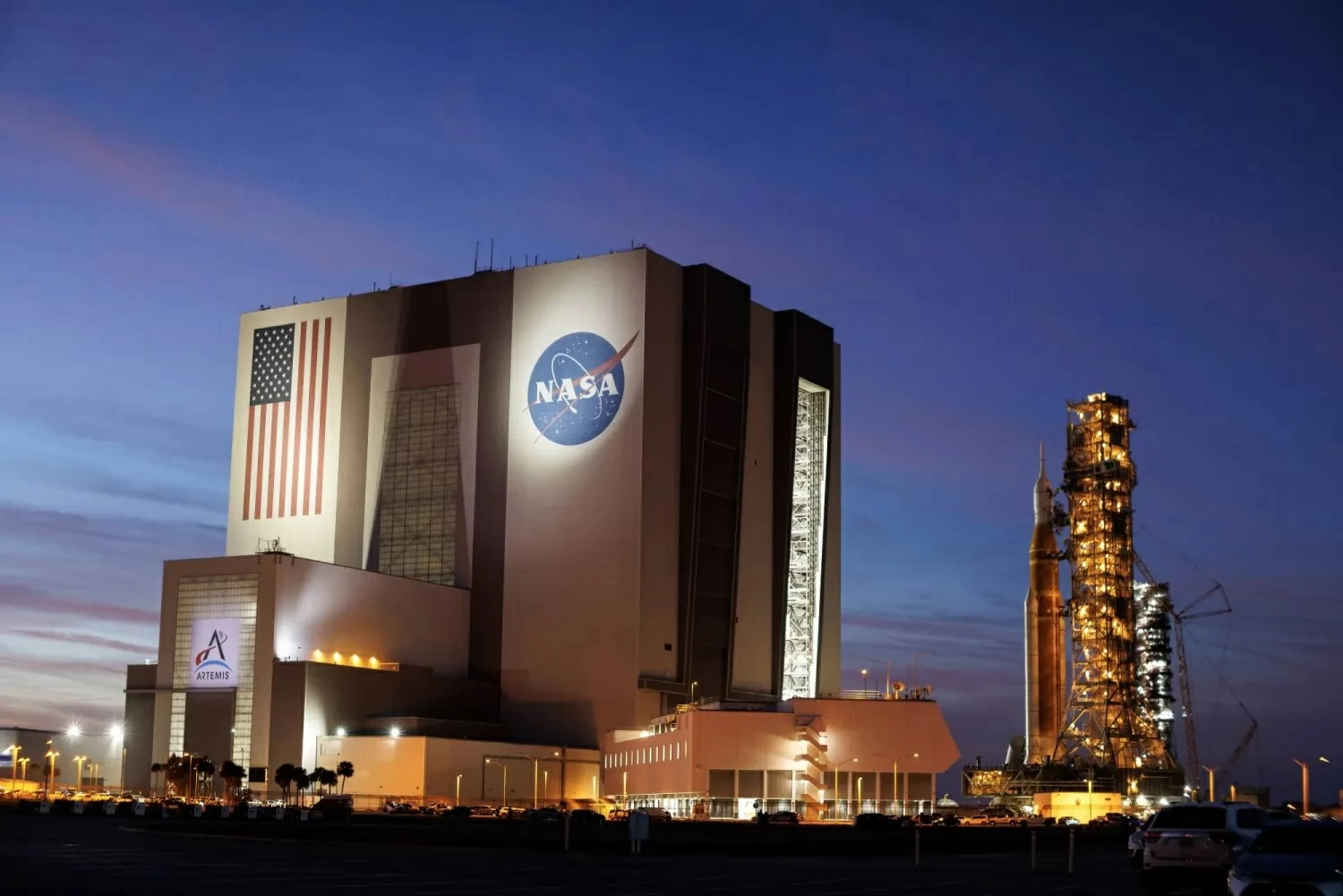
وأعلنت «ناسا» وصول التلسكوب إلى مركز كينيدي للفضاء في ولاية فلوريدا، بعد استكمال عمليات التجميع والاختبارات الفنية الرئيسية، تمهيداً لإخضاعه لسلسلة من الفحوصات النهائية التي تضمن جاهزيته للانطلاق وفق الجدول الزمني المحدد.
وخلال الأسابيع القادمة، سيعمل المهندسون والفنيون على اختبار الألواح الشمسية وأنظمة العزل والحماية الحرارية، إلى جانب تزويد المركبة بالوقود اللازم استعداداً للرحلة المرتقبة.
ومن المقرر إطلاق التلسكوب في 30 أغسطس القادم على متن صاروخ «فالكون هيفي» التابع لشركة «سبيس إكس»، من منصة الإطلاق 39A في مركز كينيدي للفضاء، فيما أشارت الوكالة إلى أن المشروع يسير بوتيرة أسرع من المخطط له بنحو ثمانية أشهر.
وبعد وصوله إلى نقطة لاغرانج الثانية (L2)، سيبدأ التلسكوب تنفيذ برنامج رصد علمي واسع النطاق يشمل دراسة مليارات المجرات ورصد مئات الآلاف من الكواكب الواقعة خارج المجموعة الشمسية، إضافة إلى جمع بيانات قد تساعد العلماء على فهم طبيعة الطاقة المظلمة، وهي القوة الغامضة التي يعتقد أنها مسؤولة عن التوسع المتسارع للكون.
ويتميز «نانسي غريس رومان» بتجهيزات تقنية متقدمة، أبرزها كاميرا رئيسية بدقة 300 ميغابكسل وقدرات رصد عالية في نطاق الأشعة تحت الحمراء، ما يمنحه القدرة على استكشاف أعماق الكون بدقة غير مسبوقة. ويُنظر إلى المهمة باعتبارها محطة علمية مهمة قد تسهم في الإجابة عن تساؤلات جوهرية تتعلق بنشأة الكون وتطوره عبر مليارات السنين.
In a move that could help uncover some of the universe's greatest secrets, NASA is nearing the launch of one of its most ambitious scientific projects in recent years, as the Nancy Grace Roman Space Telescope has entered the final stage of preparations before its launch into space on a mission aimed at exploring distant galaxies and exoplanets and understanding the mysterious forces that shape the universe.
NASA announced the arrival of the telescope at the Kennedy Space Center in Florida, after completing assembly and major technical testing, in preparation for a series of final checks to ensure its readiness for launch according to the scheduled timeline.
In the coming weeks, engineers and technicians will work on testing the solar panels and thermal insulation and protection systems, along with fueling the spacecraft in preparation for the anticipated journey.
The telescope is scheduled to launch on August 30 aboard a SpaceX Falcon Heavy rocket from launch pad 39A at the Kennedy Space Center, while the agency noted that the project is progressing about eight months ahead of schedule.
After reaching the second Lagrange point (L2), the telescope will begin a broad scientific observation program that includes studying billions of galaxies and monitoring hundreds of thousands of planets outside the solar system, in addition to collecting data that may help scientists understand the nature of dark energy, the mysterious force believed to be responsible for the accelerating expansion of the universe.
The Nancy Grace Roman is equipped with advanced technical features, most notably a primary camera with a resolution of 300 megapixels and high observation capabilities in the infrared range, giving it the ability to explore the depths of the universe with unprecedented accuracy. The mission is viewed as an important scientific milestone that could contribute to answering fundamental questions related to the origin and evolution of the universe over billions of years.