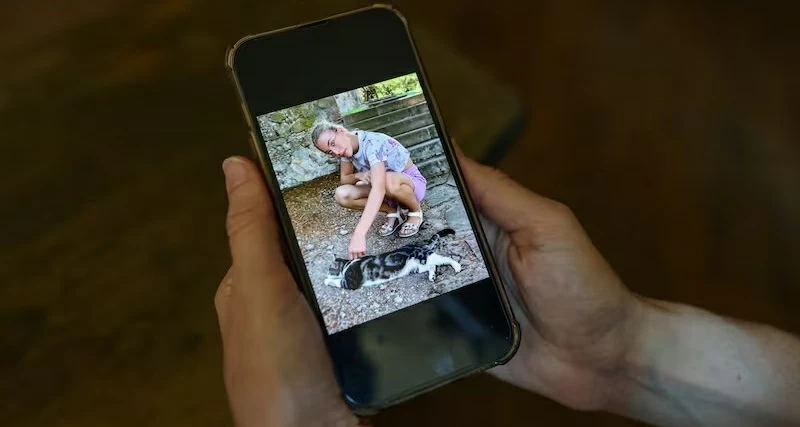
تحولت مأساة طفلة إيطالية تبلغ من العمر 12 عاماً إلى قضية رأي عام في إيطاليا وأوروبا، بعد أن رفعت أسرتها، إلى جانب عدد من العائلات الأخرى، دعوى قضائية ضد شركتي (ميتا) المالكة لمنصتي (فيسبوك) و(إنستغرام)، و(تيك توك)، متهمة خوارزميات المنصات الرقمية بتعريض الأطفال لمحتوى ضار يؤثر على صحتهم النفسية.
وتروي إيرين روجيرو أوغيس، والدة الطفلة روسيلا، أن ابنتها بدأت خلال الأشهر الأخيرة من حياتها في البحث عن محتوى مرتبط بالاكتئاب وإيذاء النفس، قبل أن تتلقى المزيد من المواد المشابهة عبر خوارزميات المنصات الاجتماعية، ما أدى إلى تدهور حالتها النفسية بشكل متسارع.
وقالت الأم إن الأسرة لم تدرك حجم استخدام ابنتها لوسائل التواصل الاجتماعي إلا بعد وفاتها، عندما تمكّنت من فتح أجهزتها الإلكترونية واكتشفت حساباً سرياً على إنستغرام يحمل اسم "مجرد شخص ميت"، إضافة إلى نشاط مكثف على منصات التواصل لم تكن الأسرة على علم به.
وبحسب رواية الأسرة، بدأت الطفلة في سبتمبر 2023 البحث عن محتوى يعكس مشاعر الحزن والاكتئاب التي كانت تمر بها، إلا أن خوارزميات المنصات استمرت في عرض المزيد من المواد المشابهة، حتى انتهى الأمر بوفاتها بعد نحو خمسة أشهر.
وتعد هذه الدعوى أول تحرك قانوني جماعي من نوعه في إيطاليا يستهدف بشكل مباشر شركات التواصل الاجتماعي وآليات عمل خوارزمياتها.
وتطالب الأسر المشاركة بفرض قيود أكثر صرامة على وصول القاصرين إلى المنصات الرقمية، إضافة إلى تعزيز التوعية بالمخاطر النفسية المحتملة المرتبطة باستخدامها.
وأكدت (ميتا) أن صحة المراهقين النفسية تتأثر بعوامل عديدة تتجاوز استخدام وسائل التواصل الاجتماعي، مشيرة إلى أن تأثير المنصات يختلف بحسب طبيعة الاستخدام ومستوى الرقابة الأسرية والإجراءات الوقائية المطبقة.
في المقابل، ترى العائلات المدعية أن أدوات الحماية الحالية غير كافية، إذ يمكن للأطفال بسهولة تجاوز القيود الزمنية أو أنظمة التصفية من خلال وسائل تقنية متاحة على الإنترنت.
وتأتي القضية في وقت تتزايد فيه المخاوف الأوروبية بشأن تأثير وسائل التواصل الاجتماعي على الأطفال والمراهقين.
كما تكثف الهيئات التنظيمية في الاتحاد الأوروبي رقابتها على المنصات الرقمية بموجب قانون الخدمات الرقمية؛ بهدف تعزيز حماية القاصرين من المحتوى الضار.
وتشير دراسات وتقارير صحية دولية إلى وجود ارتباط بين الاستخدام المفرط لوسائل التواصل الاجتماعي ومشكلات مثل اضطرابات النوم وتراجع الصحة النفسية والسلوكيات الإدمانية لدى المراهقين، بينما يؤكد خبراء آخرون أن العلاقة لا تزال معقدة وتتطلب مزيداً من البحث العلمي، محذرين من تبسيط أسباب الأزمات النفسية لدى الشباب أو تحميل التكنولوجيا وحدها المسؤولية.
وقالت والدة روسيلا إنها قررت الانضمام إلى الدعوى القضائية ليس بدافع الانتقام، وإنما بهدف رفع الوعي بالمخاطر التي لم تكن تعرفها أسرتها إلا بعد فوات الأوان، مؤكدة أن مشاركة قصتها قد تساعد عائلات أخرى على حماية أبنائها من تجارب مماثلة.
The tragedy of a 12-year-old Italian girl has turned into a public issue in Italy and Europe, after her family, along with several other families, filed a lawsuit against the companies (Meta), which owns the platforms (Facebook) and (Instagram), and (TikTok), accusing the algorithms of the digital platforms of exposing children to harmful content that affects their mental health.
Erin Rogiero Augis, the mother of the girl Rossella, recounts that her daughter began, in the last months of her life, to search for content related to depression and self-harm, before receiving more similar materials through the algorithms of social media platforms, which led to a rapid deterioration in her mental state.
The mother stated that the family did not realize the extent of their daughter's use of social media until after her death, when they managed to open her electronic devices and discovered a secret Instagram account named "Just a Dead Person," in addition to intensive activity on social media platforms that the family was unaware of.
According to the family's account, the girl began in September 2023 to search for content that reflected the feelings of sadness and depression she was experiencing, yet the algorithms of the platforms continued to display more similar materials, ultimately leading to her death after about five months.
This lawsuit is the first collective legal action of its kind in Italy directly targeting social media companies and the workings of their algorithms.
The participating families are demanding stricter restrictions on minors' access to digital platforms, in addition to enhancing awareness of the potential psychological risks associated with their use.
For their part, the companies (Meta) and (TikTok) denied the accusations against them, asserting that they implement multiple measures to protect young users, including removing harmful content, reducing exposure to sensitive materials, and providing monitoring and supervision tools for families.
(Meta) emphasized that the mental health of teenagers is affected by many factors beyond social media use, noting that the impact of the platforms varies according to the nature of use, the level of parental supervision, and the preventive measures applied.
In contrast, the suing families believe that the current protective tools are insufficient, as children can easily bypass time limits or filtering systems through available technological means online.
The case comes at a time when European concerns about the impact of social media on children and adolescents are increasing.
Regulatory bodies in the European Union are also intensifying their oversight of digital platforms under the Digital Services Act, aiming to enhance the protection of minors from harmful content.
International studies and health reports indicate a correlation between excessive social media use and issues such as sleep disorders, declining mental health, and addictive behaviors among adolescents, while other experts assert that the relationship remains complex and requires further scientific research, warning against oversimplifying the causes of mental crises among youth or placing the blame solely on technology.
Rossella's mother stated that she decided to join the lawsuit not out of revenge, but to raise awareness of the risks that her family did not know about until it was too late, affirming that sharing her story may help other families protect their children from similar experiences.