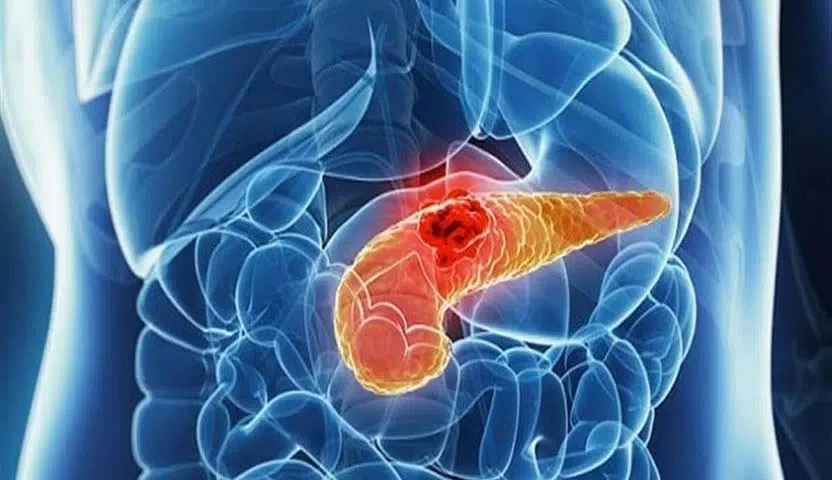
في تطور طبي قد يمثل نقطة تحول في مواجهة أحد أكثر أنواع السرطان فتكاً، أظهرت نتائج تجربة سريرية واسعة النطاق أن عقاراً فموياً تجريبياً لعلاج سرطان البنكرياس نجح في مضاعفة متوسط مدة البقاء على قيد الحياة مقارنة بالعلاج الكيميائي التقليدي، مع تقليل خطر الوفاة بنسبة 60%.
وبحسب وكالة رويترز، كشفت الدراسة، التي شملت نحو 500 مريض بسرطان البنكرياس المتقدم ممن لم يستجيبوا لخط العلاج الكيميائي الأول، أن العقار الجديد «داراكسونراسيب» (Daraxonrasib)، حقق نتائج وصفها الخبراء بأنها غير مسبوقة في هذا النوع من السرطان شديد العدوانية.
نتائج تفوق العلاج الكيميائي
وأظهرت البيانات النهائية للتجربة أن متوسط البقاء على قيد الحياة منذ التشخيص بلغ 13.2 شهر لدى المرضى الذين تلقوا العقار الجديد، مقارنة بـ6.7 شهر فقط لدى المرضى الذين خضعوا للعلاج الكيميائي التقليدي.
كما نجح العلاج في إيقاف نمو الأورام أو تقليص حجمها لدى نحو ثلث المرضى، مقابل نحو 10% فقط في مجموعة العلاج الكيميائي.
وقالت خبيرة سرطان البنكرياس في مركز السرطان بجامعة أريزونا والجمعية الأمريكية لعلم الأورام السريري الدكتورة راشنا شروف إن النتائج «تحقق جميع المعايير المطلوبة»، مؤكدة أن مضاعفة معدلات البقاء وتقليل خطر الوفاة بهذا الحجم لم يُسجل من قبل لدى المرضى الذين تطور مرضهم بعد العلاج الكيميائي.
تغيير طريقة التفكير في علاج المرض
من جانبه، اعتبر الدكتور برايان وولبين من معهد دانا فاربر للسرطان بجامعة هارفارد والباحث الرئيسي للدراسة، أن هذه النتائج ستغير نظرة الأطباء والعلماء والمرضى إلى علاج سرطان البنكرياس، لما تحمله من مؤشرات قوية على إمكانية تحسين فرص النجاة بصورة ملموسة.
ويُعد سرطان البنكرياس من أكثر السرطانات فتكاً، إذ تشير التقديرات إلى تشخيص نحو 68 ألف حالة جديدة سنوياً في الولايات المتحدة، بينما يتوفى أكثر من 53 ألف مريض بسبب المرض. كما أن نسبة البقاء على قيد الحياة لمدة 5 سنوات لدى المرضى الذين انتشر السرطان لديهم إلى أعضاء أخرى لا تتجاوز 3%.
آلية جديدة لاستهداف السرطان
ويُصنف «داراكسونراسيب» ضمن فئة دوائية جديدة تُعرف باسم مثبطات RAS(ON)، وهي تستهدف طفرات جينية في جين «RAS» المسؤول عن تحفيز نمو العديد من الأورام السرطانية.
وأظهرت الدراسة أن المرضى الحاملين لطفرة جينية تعرف باسم G12 تمكنوا من السيطرة على المرض لمدة متوسطة بلغت 7.3 شهر، مقارنة بـ3.5 شهر فقط لدى المرضى الذين تلقوا العلاج الكيميائي.
كما تقلصت الأورام أو اختفت لدى 33.2% من المرضى الحاملين لهذه الطفرة، مقابل 11.8% فقط في المجموعة الأخرى.
آثار جانبية يمكن التعامل معها
ورغم النتائج الإيجابية، سجل الباحثون بعض الآثار الجانبية المرتبطة بالعقار، أبرزها الطفح الجلدي والتهابات الفم والغثيان والإسهال.
وظهر الطفح الجلدي لدى 86.3% من المرضى، إلا أن الباحثين أكدوا أن معظم الحالات يمكن السيطرة عليها باستخدام المضادات الحيوية والعلاجات الموضعية المحتوية على الكورتيزون.
كما بلغت نسبة الآثار الجانبية الخطيرة أو المهددة للحياة 43.6% في مجموعة الدواء الجديد، مقارنة بـ57.5% بين المرضى الذين تلقوا العلاج الكيميائي.
واللافت أن نسبة المرضى الذين اضطروا إلى التوقف عن العلاج بسبب الأعراض الجانبية بلغت 1.2% فقط مع العقار الجديد، مقابل 11.2% في مجموعة العلاج الكيميائي.
مرضى يستعيدون حياتهم
ومن بين القصص اللافتة التي رافقت الدراسة، حالة الأمريكي ستيف والاس (74 عاماً)، الذي شُخص بسرطان البنكرياس في يناير الماضي والتحق بإحدى التجارب السريرية للعقار الجديد.
وبعد أشهر قليلة من العلاج، أظهرت الفحوصات تقلص حجم الورم بنسبة 46%، ما سمح له بالعودة إلى التخطيط لرحلات السفر التي كان قد أوقفها بسبب المرض.
كما كشف الدكتور شوبهام بانت، أحد المشرفين على الدراسة، أن بعض المرضى تمكنوا من استئناف أنشطة كانوا قد تخلوا عنها بسبب الألم والإرهاق، من بينهم لاعب غولف عاد إلى ممارسة رياضته المفضلة بعد شهر واحد فقط من بدء العلاج.
نحو اعتماد رسمي للعقار
وتسعى الشركة المطورة حالياً إلى توسيع استخدام الدواء في المراحل المبكرة من المرض، إضافة إلى اختباره بالتزامن مع علاجات أخرى بهدف رفع معدلات البقاء على قيد الحياة بشكل أكبر.
وفي خطوة تعكس أهمية النتائج، منحت إدارة الغذاء والدواء الأمريكية (FDA) في مايو الماضي تسهيلات خاصة لإتاحة العقار للمرضى، فيما تستعد لمراجعة ملفه بصورة سريعة تمهيداً لاتخاذ قرار بشأن اعتماده رسمياً.
ويرى الباحثون أن العقار الجديد قد يمثل بداية حقبة مختلفة في علاج سرطان البنكرياس، وهو المرض الذي ظل لعقود طويلة من أكثر السرطانات صعوبة في العلاج وأقلها استجابة للخيارات الدوائية المتاحة.
In a medical development that could represent a turning point in the fight against one of the deadliest types of cancer, results from a large-scale clinical trial have shown that an experimental oral drug for treating pancreatic cancer succeeded in doubling the average survival time compared to traditional chemotherapy, while reducing the risk of death by 60%.
According to Reuters, the study, which included about 500 patients with advanced pancreatic cancer who did not respond to first-line chemotherapy, revealed that the new drug "Daraxonrasib" achieved results described by experts as unprecedented in this highly aggressive type of cancer.
Results Surpassing Chemotherapy
The final data from the trial showed that the average survival time since diagnosis was 13.2 months for patients who received the new drug, compared to only 6.7 months for those who underwent traditional chemotherapy.
The treatment also succeeded in stopping tumor growth or shrinking its size in about one-third of patients, compared to only about 10% in the chemotherapy group.
Dr. Rashna Shroff, a pancreatic cancer expert at the University of Arizona Cancer Center and the American Society of Clinical Oncology, stated that the results "meet all the required criteria," confirming that doubling survival rates and reducing the risk of death to this extent has never been recorded in patients whose disease progressed after chemotherapy.
Changing the Mindset on Treating the Disease
For his part, Dr. Brian Wolpin from the Dana-Farber Cancer Institute at Harvard University and the principal investigator of the study, considered that these results will change the perspective of doctors, scientists, and patients regarding pancreatic cancer treatment, as they carry strong indicators of the potential to significantly improve survival chances.
Pancreatic cancer is one of the deadliest cancers, with estimates indicating about 68,000 new cases diagnosed annually in the United States, while more than 53,000 patients die from the disease. The five-year survival rate for patients whose cancer has spread to other organs does not exceed 3%.
A New Mechanism to Target Cancer
"Daraxonrasib" is classified within a new drug class known as RAS(ON) inhibitors, which target genetic mutations in the "RAS" gene responsible for stimulating the growth of many cancerous tumors.
The study showed that patients carrying a genetic mutation known as G12 were able to control the disease for an average of 7.3 months, compared to only 3.5 months for patients who received chemotherapy.
Additionally, tumors shrank or disappeared in 33.2% of patients carrying this mutation, compared to only 11.8% in the other group.
Manageable Side Effects
Despite the positive results, researchers recorded some side effects associated with the drug, the most notable being rashes, mouth infections, nausea, and diarrhea.
Rashes occurred in 86.3% of patients; however, researchers confirmed that most cases can be managed using antibiotics and topical treatments containing corticosteroids.
The rate of serious or life-threatening side effects was 43.6% in the new drug group, compared to 57.5% among patients who received chemotherapy.
Notably, the percentage of patients who had to stop treatment due to side effects was only 1.2% with the new drug, compared to 11.2% in the chemotherapy group.
Patients Regaining Their Lives
Among the notable stories accompanying the study is that of American Steve Wallace (74 years old), who was diagnosed with pancreatic cancer last January and joined one of the clinical trials for the new drug.
After a few months of treatment, tests showed a 46% reduction in tumor size, allowing him to return to planning travel trips that he had halted due to the disease.
Dr. Shobham Pant, one of the study supervisors, revealed that some patients were able to resume activities they had given up due to pain and fatigue, including a golfer who returned to playing his favorite sport just one month after starting treatment.
Towards Official Approval of the Drug
The developing company is currently seeking to expand the use of the drug in the early stages of the disease, in addition to testing it in conjunction with other treatments to further increase survival rates.
In a step reflecting the importance of the results, the U.S. Food and Drug Administration (FDA) granted special facilitation in May to make the drug available to patients, while preparing to review its file quickly in anticipation of making a decision regarding its official approval.
Researchers believe that the new drug could represent the beginning of a different era in the treatment of pancreatic cancer, a disease that has long been one of the most difficult cancers to treat and the least responsive to available drug options.