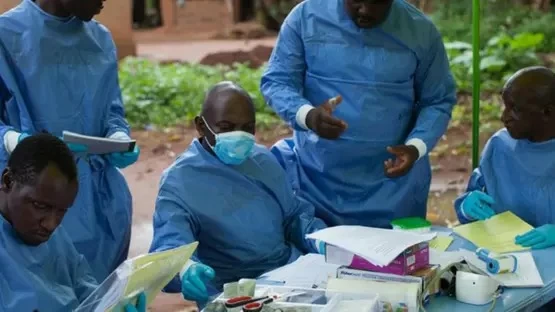
أعلنت منظمة الصحة العالمية اليوم (الأحد)، حالة الطوارئ الصحية العالمية لتفشي فايروس إيبولا في جمهورية الكونغو الديمقراطية وأوغندا، بعد تسجيل تفشٍ سريع لسلالة «بونديبوغيو» النادرة التي لا يتوفر لها لقاح أو علاج معتمد حالياً.
وبحسب بيان المنظمة، سُجلت حتى 16 مايو 8 حالات مؤكدة مخبرياً، و246 حالة مشتبهاً بها، و80 حالة وفاة في مقاطعة إيتوري شمال شرق الكونغو، خصوصاً في منطقة مونجبالو الصحية ومناطق روامبارا وبونيا المجاورة.
عدوى تضرب المنشآت الصحية
وبدأ التفشي في منطقة مونجبالو الصحية، وهي منطقة تعدين ذهب نشطة تشهد حركة سكانية كثيفة، وسرعان ما امتد إلى مناطق أخرى، ومن بين الوفيات حالات بين العاملين في المجال الصحي، مما يثير قلقاً كبيراً بشأن انتقال العدوى داخل المنشآت الصحية.
وأكد المدير العام لمنظمة الصحة العالمية الدكتور تيدروس أدهانوم غيبرييسوس أن التفشي يشكل خطراً كبيراً على الدول المجاورة بسبب الحركة عبر الحدود، خصوصاً مع أوغندا، حيث سُجلت حالات مؤكدة في العاصمة كامبالا، كما سُجلت حالات في العاصمة الكونغولية كينشاسا.
معدل وفيات مرتفع
وتعتبر سلالة بونديبوغيو أقل فتكاً من سلالة زائير التي تسببت في معظم التفشيات السابقة، لكن معدل الوفيات في هذا التفشي يبدو مرتفعاً، ولا يوجد لقاح أو علاج محدد معتمد لها، حيث يعتبر هذا هو التفشي السابع عشر للإيبولا في الكونغو الديمقراطية منذ اكتشاف المرض عام 1976.
وأطلقت الكونغو وأوغندا خطط استجابة طارئة، وتعمل منظمة الصحة العالمية ومنظمات مثل أطباء بلا حدود على تعزيز الترصد والتتبع والرعاية الداعمة.
وكانت منظمة الصحة العالمية تلقت يوم 5 مايو بلاغًا عن تفشٍّ لمرض مجهول ذي معدل وفيات مرتفع في منطقة مونجبالو الصحية، بمقاطعة إيتوري، في جمهورية الكونغو الديمقراطية، بما في ذلك وفيات بين العاملين في المجال الصحي.
وراوحت معدلات الوفيات في تفشي المرضين السابقين بين 30%،و50%، وعلى عكس فايروس إيبولا، لا يوجد لقاح مرخص أو علاجات محددة ضد سلالة بونديبوجيو، مع أن الرعاية الداعمة المبكرة تُنقذ الأرواح.
The World Health Organization announced today (Sunday) a global health emergency due to the outbreak of the Ebola virus in the Democratic Republic of the Congo and Uganda, following a rapid outbreak of the rare "Bundi Bugyo" strain for which there is currently no available vaccine or approved treatment.
According to the organization's statement, as of May 16, there have been 8 confirmed laboratory cases, 246 suspected cases, and 80 deaths in Ituri Province in northeastern Congo, particularly in the Mongbwalu health zone and the neighboring areas of Ruambura and Bunia.
Infection Strikes Health Facilities
The outbreak began in the Mongbwalu health zone, an active gold mining area experiencing high population movement, and quickly spread to other areas. Among the fatalities are cases among health workers, raising significant concerns about the transmission of the infection within health facilities.
The Director-General of the World Health Organization, Dr. Tedros Adhanom Ghebreyesus, confirmed that the outbreak poses a significant risk to neighboring countries due to cross-border movement, especially with Uganda, where confirmed cases have been reported in the capital, Kampala, as well as in the Congolese capital, Kinshasa.
High Mortality Rate
The Bundi Bugyo strain is considered less deadly than the Zaire strain, which caused most previous outbreaks, but the mortality rate in this outbreak appears to be high, and there is no specific approved vaccine or treatment for it. This is the seventeenth outbreak of Ebola in the Democratic Republic of the Congo since the disease was discovered in 1976.
Congo and Uganda have launched emergency response plans, and the World Health Organization and organizations like Doctors Without Borders are working to enhance surveillance, tracking, and supportive care.
The World Health Organization received a report on May 5 about an outbreak of an unknown disease with a high mortality rate in the Mongbwalu health zone in Ituri Province, Democratic Republic of the Congo, including fatalities among health workers.
Mortality rates in the previous two outbreaks ranged between 30% and 50%, and unlike the Ebola virus, there is no licensed vaccine or specific treatments against the Bundi Bugyo strain, although early supportive care saves lives.