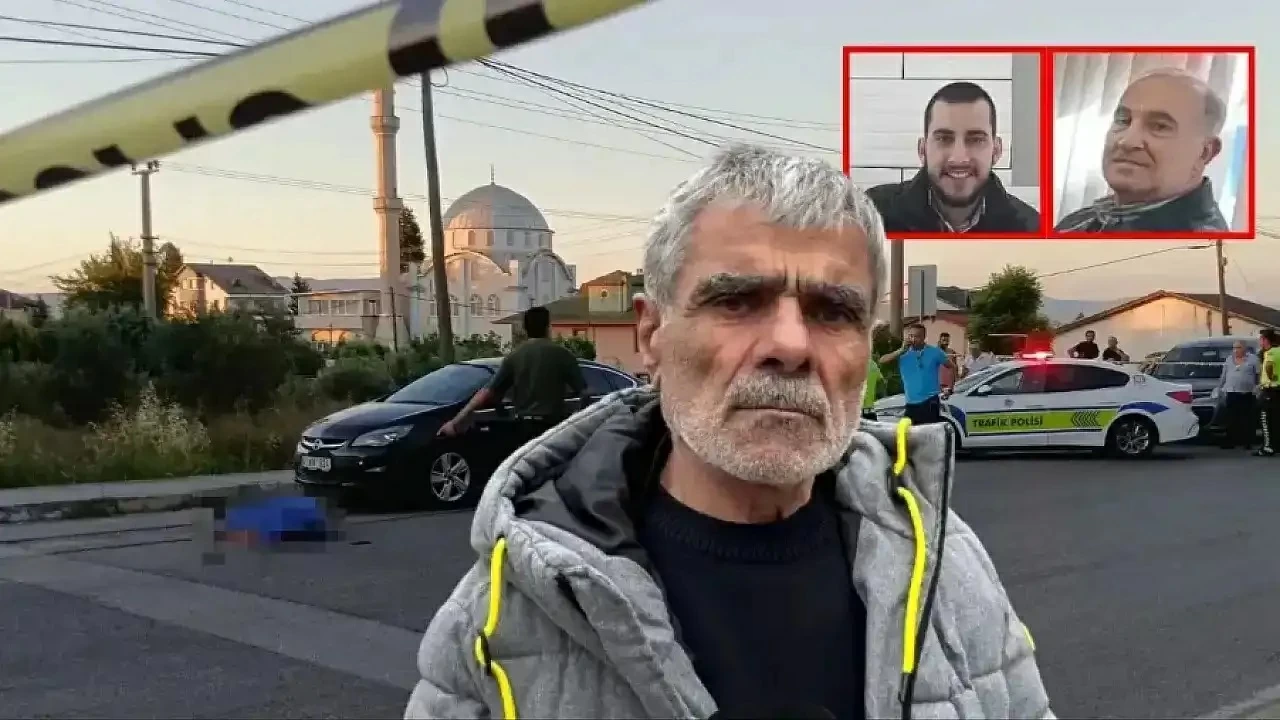
في قرار قضائي فجر موجة من الجدل العارم في الشارع التركي، غادر السجن رجل يبلغ من العمر 76 عاماً بعد 10 أشهر فقط، رغم ثبوت إقدامه على تصفية أب وابنه في «مذبحة» علنية شهدتها مدينة كوجايلي، مما أثار تساؤلات حادة حول حدود الرحمة في أحكام القصاص.
رصاصات الديون
تعود جذور المأساة إلى يوليو الماضي، حين تحول خلاف مالي حول صفقة سيارة بقيمة 1.6 مليون ليرة إلى مواجهة دموية. ولم يتردد عزت كاليون في إشهار سلاحه بوجه محمد جانم أوغلو (60 عاماً) وابنه أيكوت (30 عاماً)، ليرديهما قتيلين في الحال وسط ذهول المارة، في جريمة وثقتها عدسات الكاميرات واحدةً من أبشع حوادث العنف المرتبطة بالديون.
وبينما كان الرأي العام يترقب صدور حكم بالسجن المؤبد، ظهر تطور طبي دراماتيكي غيّر مسار القضية تماماً. تقرير معهد الطب الشرعي كشف أن «العجوز القاتل» يصارع مرض السرطان في مراحل متقدمة، وأن بقاءه خلف القضبان يمثل خطراً حتمياً على حياته قبل استكمال جلسات المحاكمة.
إقامة جبرية أم إفلات من العقاب؟
بناءً على التقرير الطبي، قررت المحكمة الإفراج عنه مع وضعه تحت «الإقامة الجبرية» داخل منزله. هذا القرار شق المجتمع التركي إلى نصفين على منصات التواصل الاجتماعي، هناك فريق يراه قراراً إنسانياً يحترم كرامة المريض في أيامه الأخيرة، وفريق آخر غاضب يرى أن «المرض لا يسقط حق الدماء»، متسائلين عن مصير العدالة لأم فقدت زوجها وابنها في لحظة واحدة.
المتهم وخلال دفاعه عن نفسه، حاول استدرار العطف بادعائه أنه تعرض للاحتيال المالي، وأنه كان في حالة «انفجار نفسي»؛ بسبب ضياع حصيلة عمره. ورغم الإفراج المؤقت، لا تزال تهمة «القتل العمد» تلاحقه، بانتظار الجلسات القادمة التي ستحدد ما إذا كان المرض سيمنحه «حرية دائمة» أم أن للقضاء كلمة أخرى.
In a judicial decision that sparked a wave of intense debate in Turkish society, a 76-year-old man was released from prison after only 10 months, despite having been proven to have carried out the execution of a father and son in a public "massacre" witnessed in the city of Kocaeli, raising sharp questions about the limits of mercy in retribution rulings.
Debt Bullets
The roots of the tragedy date back to last July, when a financial dispute over a car deal worth 1.6 million lira escalated into a bloody confrontation. Izzet Kalyon did not hesitate to draw his weapon against Mohammad Canemoglu (60 years old) and his son Aykut (30 years old), killing them instantly in front of shocked bystanders, in a crime captured on camera as one of the most heinous incidents of violence related to debts.
While public opinion awaited a life sentence, a dramatic medical development completely changed the course of the case. A forensic institute report revealed that the "killer elder" is battling advanced-stage cancer, and that his continued imprisonment poses a certain danger to his life before the completion of the trial sessions.
House Arrest or Impunity?
Based on the medical report, the court decided to release him under "house arrest" at his home. This decision split Turkish society in half on social media, with one side viewing it as a humanitarian decision that respects the dignity of the patient in his final days, while the other side, outraged, believes that "illness does not absolve blood rights," questioning the fate of justice for a mother who lost her husband and son in an instant.
During his defense, the accused tried to elicit sympathy by claiming that he had been a victim of financial fraud and that he was in a state of "psychological explosion" due to the loss of his life's savings. Despite the temporary release, the charge of "premeditated murder" still looms over him, awaiting the upcoming sessions that will determine whether the illness will grant him "permanent freedom" or if the judiciary has a different say.