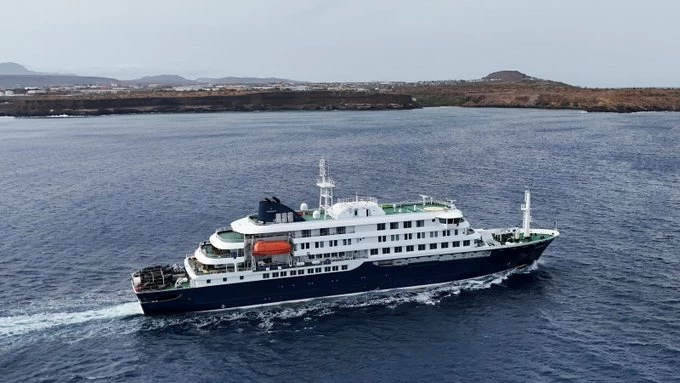
أطلقت السلطات الأوروبية، بالتنسيق مع منظمة الصحة العالمية، واحدة من أكبر عمليات الطوارئ الصحية الدولية لمواجهة تفشي فيروس هانتا (سلالة أنديز) على متن السفينة السياحية الهولندية إم في هونديوس
وبحسب السلطات الإسبانية، يشارك في العملية التنسيقية 23 دولة، إضافة إلى آلية الحماية المدنية الأوروبية، بهدف منع تحول التفشي المحدود إلى أزمة صحية عابرة للحدود.
وسُجلت حتى الآن ثلاث وفيات على متن السفينة، بينما ظهرت أعراض على خمس حالات أخرى، وسط مراقبة صحية مشددة لجميع الركاب والطاقم حوالى 150 شخصاً من 23 جنسية مختلفة.
وأكدت وزارة الصحة الإسبانية أنه لن يُسمح لأي راكب بالنزول إلى الأراضي الإسبانية بشكل حر، وأنه سيتم فحص جميع الركاب فور وصول السفينة، ونقلهم مباشرة بحافلات معزولة وتحت حراسة أمنية إلى المطار لإعادتهم إلى بلدانهم الأصلية عبر طائرات مخصصة.
أما الركاب الإسبان 14 شخصاً فسينقلون مباشرة إلى مستشفى جوميز أولا العسكري في مدريد لفرض حجر صحي عليهم.
ووفقاً لتفاصيل الخطة الأمنية والصحية فإنه يوجد تنسيق مباشر مع الولايات المتحدة، كندا، بريطانيا، ودول أخرى، وعقد اجتماعات متابعة شبه مستمرة بين الحكومات والمنظمات الدولية، وعزل كامل للسفينة وطوق أمني وصحي مشدد حول عملية الإجلاء.
وفيروس هانتا خاصة سلالة أنديز ينتقل عادة عن طريق القوارض (البول، البراز، اللعاب)، وتتميز سلالة أنديز بقدرتها النادرة على الانتقال من شخص إلى آخر في حالات الاحتكاك المباشر والمطول، يسبب الحمى النزفية مع متلازمة الرئة، ويصل معدل الوفيات في بعض الحالات إلى 30-40%.
وبدأت الرحلة من أوشوايا في الأرجنتين مطلع أبريل الماضي، حيث يُعتقد أن العدوى الأولية حدثت على البر قبل الصعود إلى السفينة.
وأثارت الأزمة توتراً سياسياً داخل إسبانيا، حيث عارضت حكومة جزر الكناري في البداية استقبال السفينة، قبل أن توافق بعد ضمانات مدريد بتطبيق إجراءات عزل صارمة.
من جانبها أكدت منظمة الصحة العالمية أن خطر الانتشار العالمي لا يزال منخفضاً، مشددة على أن انتقال الفيروس بين البشر نادر جداً، ومع ذلك، أطلقت أوروبا حالة تأهب قصوى لتجنب أي سيناريو مشابه لجائحة كوفيد-19.
The European authorities, in coordination with the World Health Organization, have launched one of the largest international health emergency operations to combat the outbreak of the Hanta virus (Andes strain) aboard the Dutch cruise ship MV Hondius.
According to Spanish authorities, 23 countries are participating in the coordination operation, in addition to the European civil protection mechanism, aiming to prevent the limited outbreak from turning into a cross-border health crisis.
So far, three deaths have been recorded aboard the ship, while symptoms have appeared in five other cases, amid strict health monitoring of all passengers and crew, approximately 150 people from 23 different nationalities.
The Spanish Ministry of Health confirmed that no passenger will be allowed to disembark freely onto Spanish territory, and that all passengers will be screened upon the ship's arrival, and transported directly by isolated buses under security escort to the airport for repatriation to their home countries via designated flights.
The 14 Spanish passengers will be taken directly to Gómez Ulla Military Hospital in Madrid to impose quarantine on them.
According to the details of the security and health plan, there is direct coordination with the United States, Canada, the United Kingdom, and other countries, and nearly continuous follow-up meetings between governments and international organizations, along with a complete isolation of the ship and strict security and health cordon around the evacuation operation.
The Hanta virus, especially the Andes strain, is typically transmitted through rodents (urine, feces, saliva), and the Andes strain is characterized by its rare ability to transmit from person to person in cases of direct and prolonged contact, causing hemorrhagic fever with pulmonary syndrome, with mortality rates in some cases reaching 30-40%.
The journey began from Ushuaia in Argentina at the beginning of last April, where it is believed that the initial infection occurred on land before boarding the ship.
The crisis has sparked political tension within Spain, as the Canary Islands government initially opposed receiving the ship, before agreeing after Madrid guaranteed the implementation of strict isolation measures.
For its part, the World Health Organization confirmed that the risk of global spread remains low, emphasizing that human-to-human transmission of the virus is very rare; however, Europe has declared a maximum alert to avoid any scenario similar to the COVID-19 pandemic.