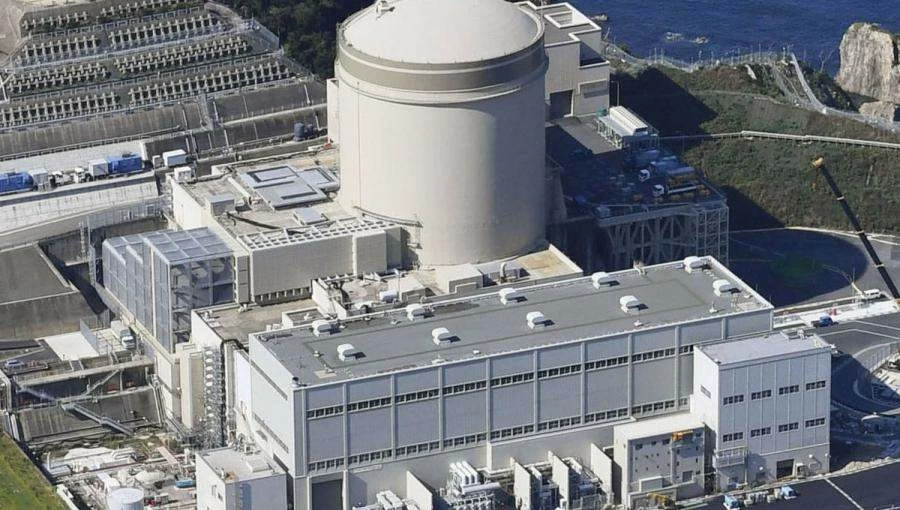
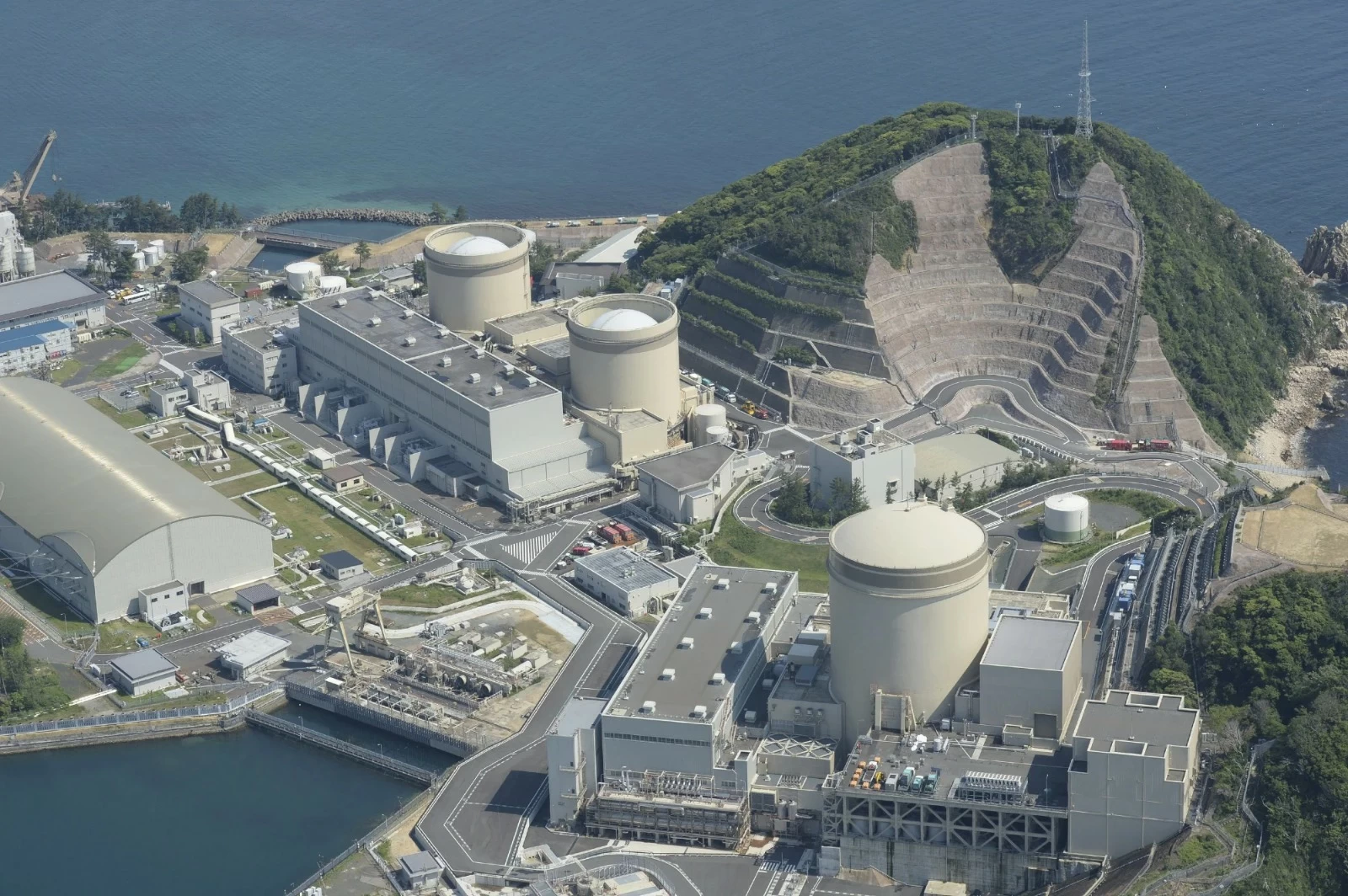
أعلنت شركة «كانساي» للطاقة الكهربائية اليابانية، اليوم (الجمعة)، عن إيقاف تشغيل المفاعل رقم 3 في محطة ميهاما للطاقة النووية بمحافظة فوكوي وسط اليابان بعد اكتشاف تسرب بخار بالقرب من توربين عالي الضغط.
وقالت الشركة إن التسرب وقع حوالى الساعة 4:10 صباحاً بالتوقيت المحلي، حيث سُمع إنذار يشير إلى فرق درجة حرارة مرتفع في غطاء التوربين عالي الضغط، وبعد حوالى 15 دقيقة، قام العمال بإيقاف المفاعل يدوياً، وتم إيقاف التسرب تماماً بحلول الساعة 4:43 صباحاً.
وأكدت «كانساي إلكتريك» أن البخار المتسرب لم يحتو على أي مواد مشعة، وأنه لم يكن له أي تأثير على البيئة الخارجية أو سلامة المحطة، معلنة أنها بدأت تحقيقاً لتحديد سبب التسرب، ولم تحدد بعد موعد إعادة تشغيل المفاعل.
ويُعد المفاعل رقم 3 في محطة ميهاما من أقدم المفاعلات النووية العاملة في اليابان، حيث بدأ تشغيله عام 1976، وفي عام 2021، أصبح أول مفاعل ياباني يتجاوز 40 عاماً من التشغيل بموجب القواعد الجديدة التي فُرضت بعد كارثة فوكوشيما دايتشي عام 2011.
وتسمح اللوائح اليابانية بتمديد عمر المفاعل لمدة تصل إلى 20 عاماً إضافية بعد موافقة الهيئة التنظيمية النووية.
وتُعد محطة ميهاما موقعاً حساساً تاريخياً، إذ شهدت عام 2004 حادثاً خطيراً آخر في نفس المفاعل رقم 3، حيث أدى تسرب بخار ساخن من أنبوب مكسور إلى مقتل 5 عمال وإصابة 6 آخرين، وكان ذلك أحد أخطر الحوادث النووية في اليابان قبل فوكوشيما.
يأتي هذا الحادث في وقت تسعى فيه اليابان إلى تعزيز الاعتماد على الطاقة النووية ضمن إستراتيجيتها لتحقيق الحياد الكربوني، رغم القلق العام المستمر من سلامة المحطات النووية بعد كارثة 2011.
The Japanese electric power company "Kansai" announced today (Friday) the shutdown of reactor number 3 at the Mihama nuclear power plant in Fukui Prefecture, central Japan, after discovering a steam leak near a high-pressure turbine.
The company stated that the leak occurred around 4:10 AM local time, when an alarm was heard indicating a high temperature difference in the cover of the high-pressure turbine. After about 15 minutes, workers manually shut down the reactor, and the leak was completely stopped by 4:43 AM.
Kansai Electric confirmed that the leaked steam did not contain any radioactive materials and that it had no impact on the external environment or the safety of the plant, announcing that it had begun an investigation to determine the cause of the leak, and no date for restarting the reactor has been set yet.
Reactor number 3 at the Mihama plant is one of the oldest operating nuclear reactors in Japan, having started operations in 1976. In 2021, it became the first Japanese reactor to exceed 40 years of operation under the new regulations imposed after the Fukushima Daiichi disaster in 2011.
Japanese regulations allow for the extension of a reactor's lifespan for up to an additional 20 years after approval from the nuclear regulatory authority.
The Mihama plant is a historically sensitive site, having witnessed another serious incident in 2004 at the same reactor number 3, where a hot steam leak from a broken pipe resulted in the deaths of 5 workers and injuries to 6 others. This was one of the most serious nuclear incidents in Japan prior to Fukushima.
This incident comes at a time when Japan is seeking to enhance its reliance on nuclear energy as part of its strategy to achieve carbon neutrality, despite ongoing public concerns about the safety of nuclear plants following the 2011 disaster.