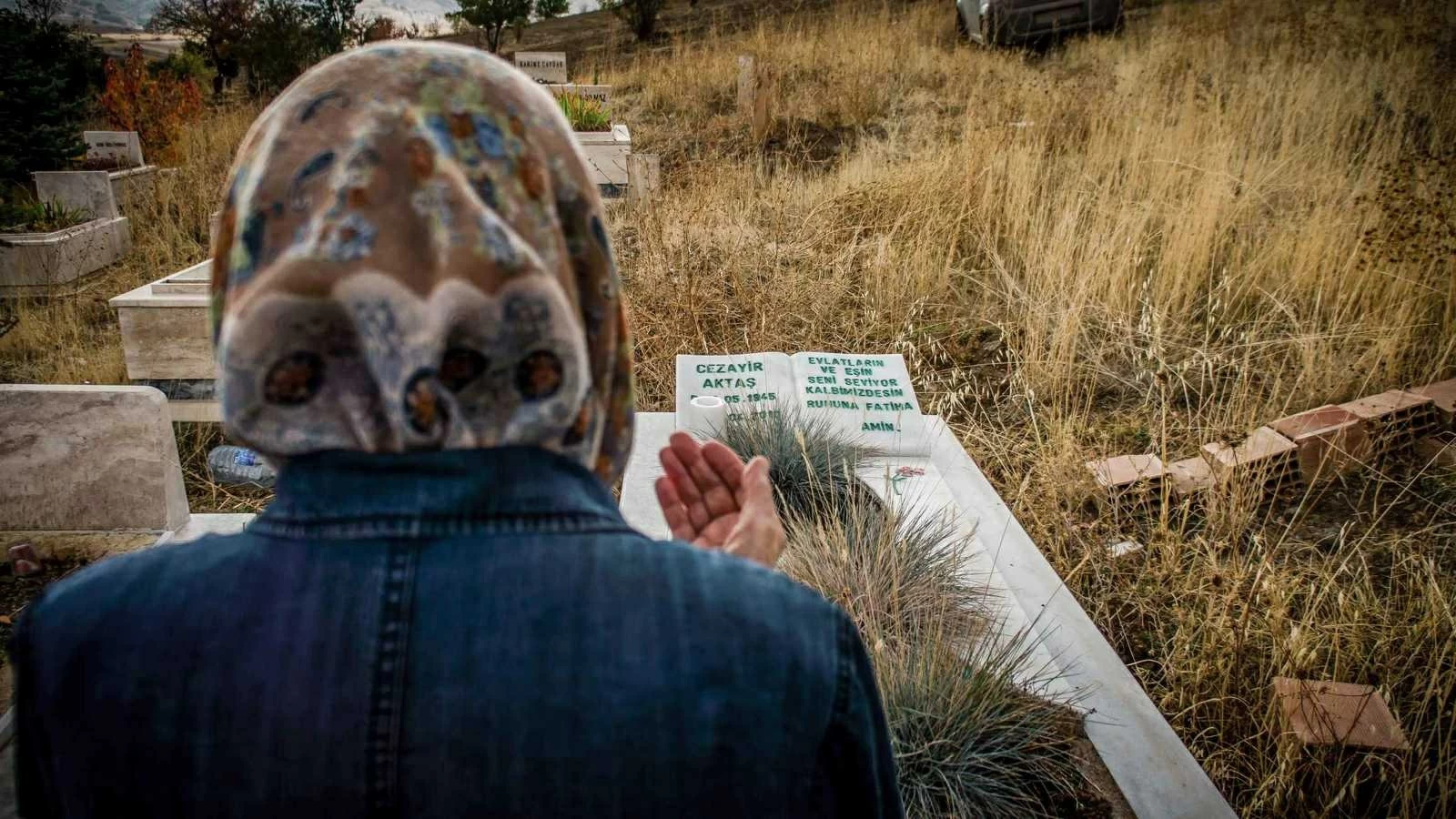
في قرار هزّ الرأي العام التركي وأعاد للأذهان واحدة من أبشع الجرائم المنسية، قررت السلطات في إسطنبول كسر صمت استمر 26 عاماً عبر «نبش قبور» موتى، في محاولة أخيرة لفك لغز مقتل المراهقة تشاغلا توغالتاي التي ذُبحت داخل منزلها عام 2000.
القبور تنطق بالحقائق
لم تجد السلطات التركية مفراً من اتخاذ هذه الخطوة الجريئة، حيث صدرت الأوامر بفتح قبور 4 أشخاص متوفين كانوا ضمن دائرة الاشتباه منذ عقود. والهدف هو سحب عينات الحمض النووي (DNA) ومقارنتها بالأدلة التي صمدت في مسرح الجريمة لربع قرن، للكشف عما إذا كان القاتل قد أفلت بفعلته ورحل عن الدنيا قبل نيل عقابه.
ولا تعتمد التحقيقات الجديدة على الصدفة، بل تقودها وحدة تركية خاصة للبحث في «الجرائم الغامضة»، تستخدم تقنيات الذكاء الاصطناعي لإعادة تحليل البيانات القديمة وربطها ببعضها. والتقى وزير العدل التركي أكين غورليك بعائلة الضحية شخصياً ليؤكد لهم أن التكنولوجيا الحديثة ستكشف ما عجز عنه البشر قبل 26 عاماً.
وبينما باشرت فرق المختبرات الجنائية فحص العينات المأخوذة من القبور، بالإضافة إلى فحص 12 شخصاً آخرين من المشتبه بهم (الأحياء)، تسود حالة من الترقب في الشارع التركي. وتعتبر هذه القضية بمثابة «رسالة تحذير» لكل من يعتقد أن الزمن كفيل بمحو الجريمة، فالعدالة قررت أن «تنبش القبور» لتنتصر للضحية.
In a decision that shook Turkish public opinion and brought to mind one of the most horrific forgotten crimes, the authorities in Istanbul decided to break a silence that lasted 26 years by "exhuming graves," in a final attempt to unravel the mystery of the murder of the teenager Çagla Tugaltay, who was slaughtered inside her home in 2000.
The graves speak the truths
The Turkish authorities found no way out but to take this bold step, as orders were issued to open the graves of 4 deceased individuals who had been under suspicion for decades. The aim is to extract DNA samples and compare them with the evidence that has withstood at the crime scene for a quarter of a century, to reveal whether the killer escaped justice and left this world before facing punishment.
The new investigations are not based on chance; they are led by a special Turkish unit investigating "mysterious crimes," which uses artificial intelligence techniques to reanalyze old data and connect it. The Turkish Minister of Justice, Akın Gürlek, personally met with the victim's family to assure them that modern technology will uncover what humans failed to do 26 years ago.
As forensic teams began examining the samples taken from the graves, in addition to testing 12 other living suspects, a sense of anticipation prevails in Turkish streets. This case serves as a "warning message" to anyone who believes that time can erase crime, as justice has decided to "exhume graves" to stand up for the victim.