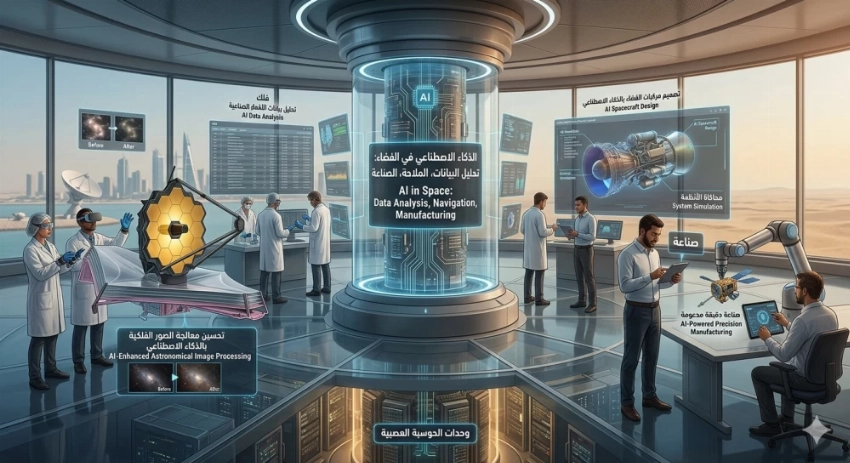
الطبيب يبقى. لكن كل من يعمل حوله يتضاءل تدريجياً وبهدوء مخيف! تفوّق الذكاء الاصطناعي في الطب والفضاء، فلماذا نظن أنه لن يتفوق في مجالك؟! تجاوز أطباء الطوارئ في دقة فرز الحالات: 67% مقابل 50-55% روبوتات المحطة الفضائية الدولية باتت تخطط حركاتها بنسبة أسرع 50-60% بفضل الذكاء.
سرطان البنكرياس، هو أحد أكثر السرطانات صمتاً وفتكاً. نسبة النجاة أقل من 5%. السبب الرئيسي: يُكتشف متأخراً حين يكون العلاج شبه مستحيل.
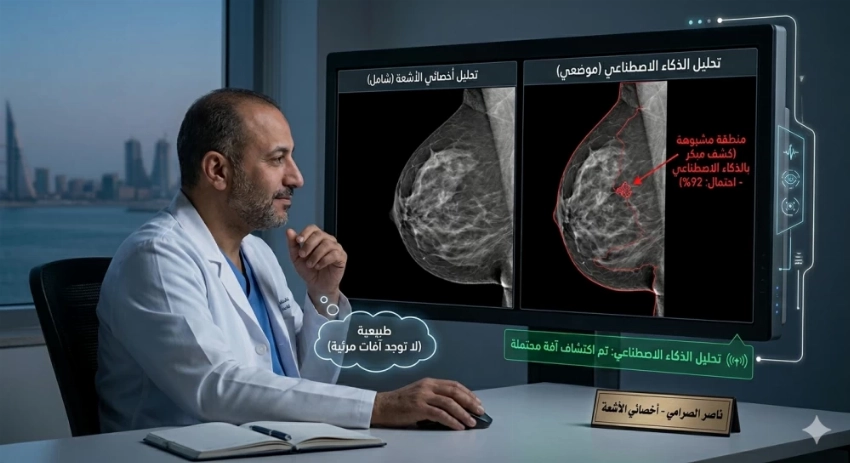
الباحثون في Mayo Clinic طوّروا نموذج REDMOD، نشروه في مجلة Gut في أبريل 2026، حلّل النموذج ما يقارب 2000 صورة أشعة CT كانت قُرئت كطبيعية بالكامل من متخصصين. النتيجة:
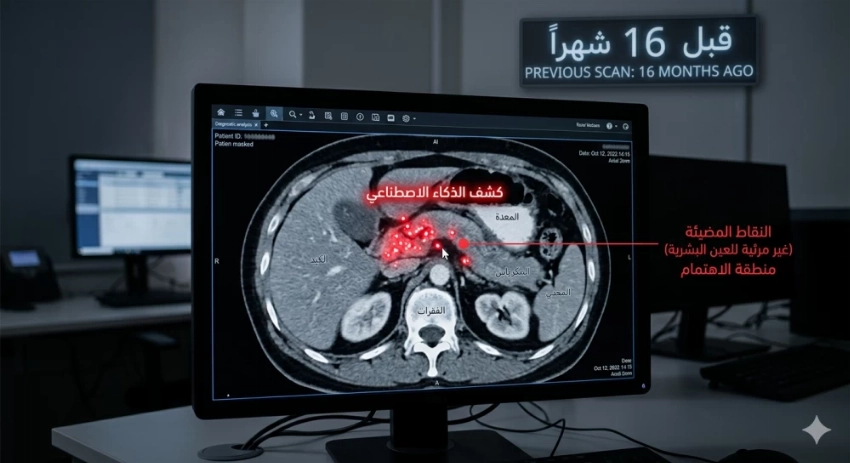
اكتشف 73% من حالات السرطان الخفية، قبل 16 شهراً من التشخيص الطبي التقليدي. وفي الصور التي التُقطت قبل أكثر من عامين، اكتشف الذكاء الاصطناعي ثلاثة أضعاف ما اكتشفه المتخصصون على نفس الصور. نعم، ثلاثة أضعاف، على نفس الصور التي قالوا عنها «طبيعية».
تذكر هذا الفارق الجوهري!
حين نتحدث عن REDMOD وأخواته، لا نتحدث عن ChatGPT أو نماذج اللغة الكبيرة التي تُجيب على أسئلتك اليومية.
هذه نماذج متخصصة تم تدريبها على ملايين الصور الطبية وبيانات المرضى لمهمة واحدة محددة، دقتها في مجالها لا تُقارن بنموذج عام.
الفارق كالفارق بين طبيب عام جديد وجراح قلب متخصص واستشاري كلاهما طبيب، لكن عمق التخصص والخبرة يصنع الفارق.
نماذج ذكية جدا !
ليس REDMOD وحده REDMOD ليس استثناءً، هو آخر سلسلة طويلة من التفوق الموثق: دراسة كورية جنوبية أثبتت أن الذكاء الاصطناعي حقق 90% دقة في اكتشاف سرطان الثدي، مقابل 78% للأطباء المتخصصين. وفي الاكتشاف المبكر تحديداً: 91% للذكاء الاصطناعي مقابل 74% للأطباء. شركات مثل Zebra Medical Vision وAidoc نشرت أنظمة في مئات المستشفيات حول العالم لتفسير صور الأشعة والماموغرام وفحوصات العين، بدقة تعادل أو تتجاوز المتخصصين. وفي اكتشاف الأدوية، شركات مثل Atomwise وBenevolentAI لديها أدوية اكتشفها الذكاء الاصطناعي وصلت إلى تجارب سريرية من المرحلة الثانية، تُختبر على بشر وتُظهر نتائج واعدة.ودراسة هارفارد كشفت أن الذكاء الاصطناعي تجاوز أطباء الطوارئ في دقة فرز الحالات: 67% مقابل 50-55% للأطباء، هناك في غرف الطوارئ، حيث الضغط والسرعة والقرار في ثوانٍ. الطب بكل تخصصاته، من الأشعة، الأمراض، الطوارئ، الأورام، يتحوّل أمامنا. ليس في مختبرات بحثية بعيدة، في مستشفيات تعمل الآن بهذا النمط يوميا.. والطب هنا ليس استثناءً، هو تاكيد النفوذ والتفوق.
أداة.. وأداة تلتهم!
يقولون: «الذكاء الاصطناعي مجرد أداة تساعد الطبيب». صحيح، جزئياً ربما، لكن تتبّع ما تفعله هذه «الأداة» فعلاً:
REDMOD يعمل تلقائياً على الأشعة الروتينية دون تدخل بشري في التحليل، تقنيو الأشعة
الذين يُعدّون الصور يدوياً؟ دورهم يتقلّص.
النماذج الذكية في المختبرات تُحلّل عينات الدم والأنسجة وتُصدر تقارير أولية، فنيو المختبرات عددهم يتراجع. أنظمة المراقبة الذكية ترصد المريض على مدار الساعة وتُنبّه الطاقم قبل التدهور. وإدارة المواعيد والسجلات والتقارير والفواتير، كلها فيلا الطريق إلى الأتمتة.
الطبيب يبقى، لكن كل من يعمل حوله يتضاءل تدريجياً وبهدوء مخيف.
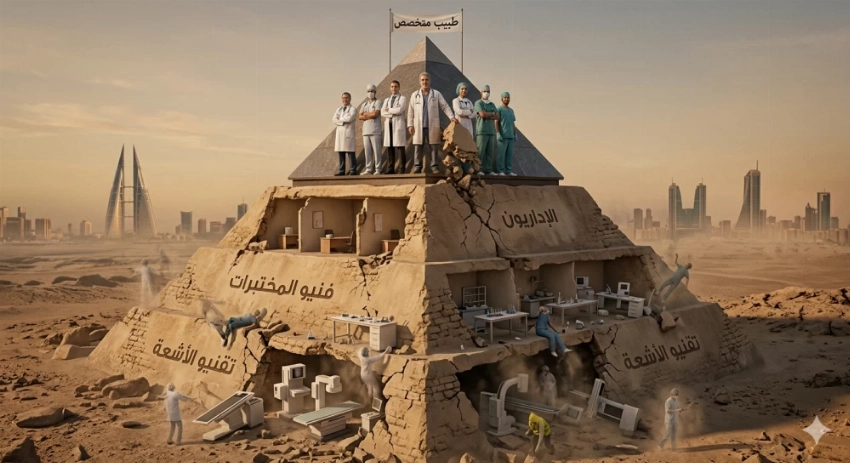
الأداة لا تستبدل القمة، تقلص في القاعدة باستمرار، وحين تختفي القاعدة، يبقى الهرم قائماً مع الآلة.
صناعة الفضاء تدار بالذكاء!
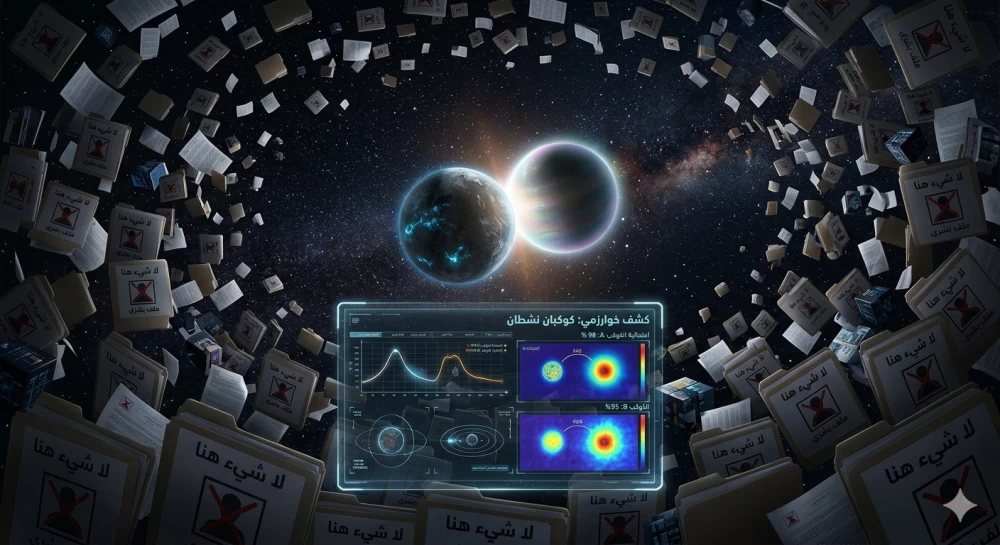
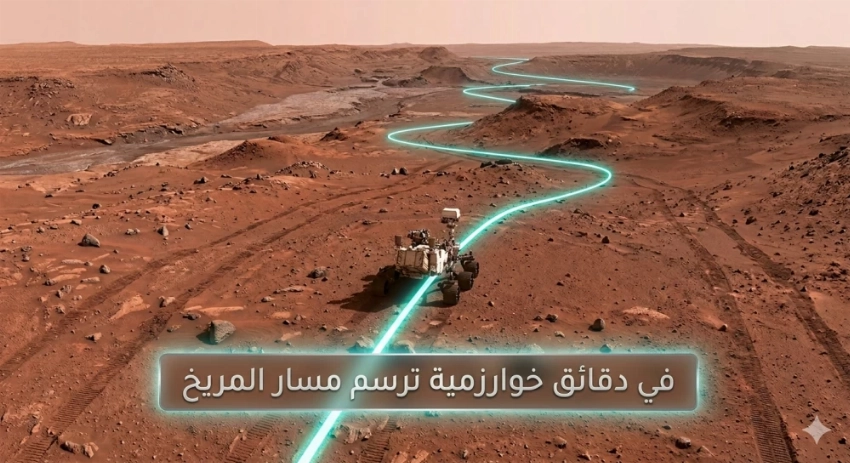
-في ديسمبر 2025- أكمل مركبة Perseverance التابعة لناسا أول رحلة على سطح المريخ مخططة بالكامل بالذكاء الاصطناعي، دون تدخل بشري في التخطيط. المهمة التي كان يؤديها مخططو المسار البشري يدوياً منذ 28 عاماً، أنجزتها الخوارزمية في دقائق. روبوتات المحطة الفضائية الدولية باتت تخطط حركاتها بنسبة أسرع 50-60% بفضل الذكاء الاصطناعي. وناسا بالتعاون مع غوغل اكتشفت كوكبين خارج المجموعة الشمسية كان العلماء البشر قد أغفلوهما في بيانات مهمة Kepler. الفضاء لا يقبل الخطأ، هو كالطب تماماً. ومع ذلك، معهما الذكاء الاصطناعي يتقدم ويتفوق، فإذا نجح حيث لا هامش للخطأ، فأين الحدود؟ إذا تجاوز الذكاء الاصطناعي الطبيب في أشد المجالات تعقيداً، فلماذا نظن أنه لن يتجاوز الفيلسوف والقاضي والأديب؟
كنّا نعتقد أن التعقيد يحمينا. REDMOD أثبت أن التعقيد، أحياناً، هو نقطة ضعف الإنسان لا قوّته. العقل البشري لا يستطيع معالجة مئات المتغيرات في آنٍ واحد.. الآلة تفعل ذلك في ثوانٍ.
الحجة التي كنّا نستند إليها «هذا يحتاج حكمة وتجربة وإنسانية»، باتت تحتاج مراجعة جدية. فالذكاء الاصطناعي يملك كل الخبرات والتجارب الإنسانية ويتدرب عليها، يقارن حالة بملايين الحالات المشابهة ويقدم القرار للطبيب أو الاستشاري.
حين يتفوق الذكاء الاصطناعي في الطب والفضاء، وهي أشد المجالات دقةً وتعقيداً، سيكون السؤال التلقائي التالي: هل وصل لكل شيء آخر؟
جواب لا يحتاج للكثير من التفكير أو الذكاء الإنساني، إذا اخترق الأصعب، فالأيسر منه في متناول اليد. الطب لا يقبل الهلوسة، والفضاء لا يقبل الخطأ، وكلاهما تجاوزه الذكاء الاصطناعي، فماذا تبقّى من الصعب؟
ونماذج مثل REDMOD لا تكتفي بإعطاء نتيجة، بل تُظهر للطبيب «خريطة حرارة» تُبرز المناطق المشبوهة في الصورة.. ليس ذكاءً معتماً، بل ذكاءً شفافاً يمكن مراجعته.
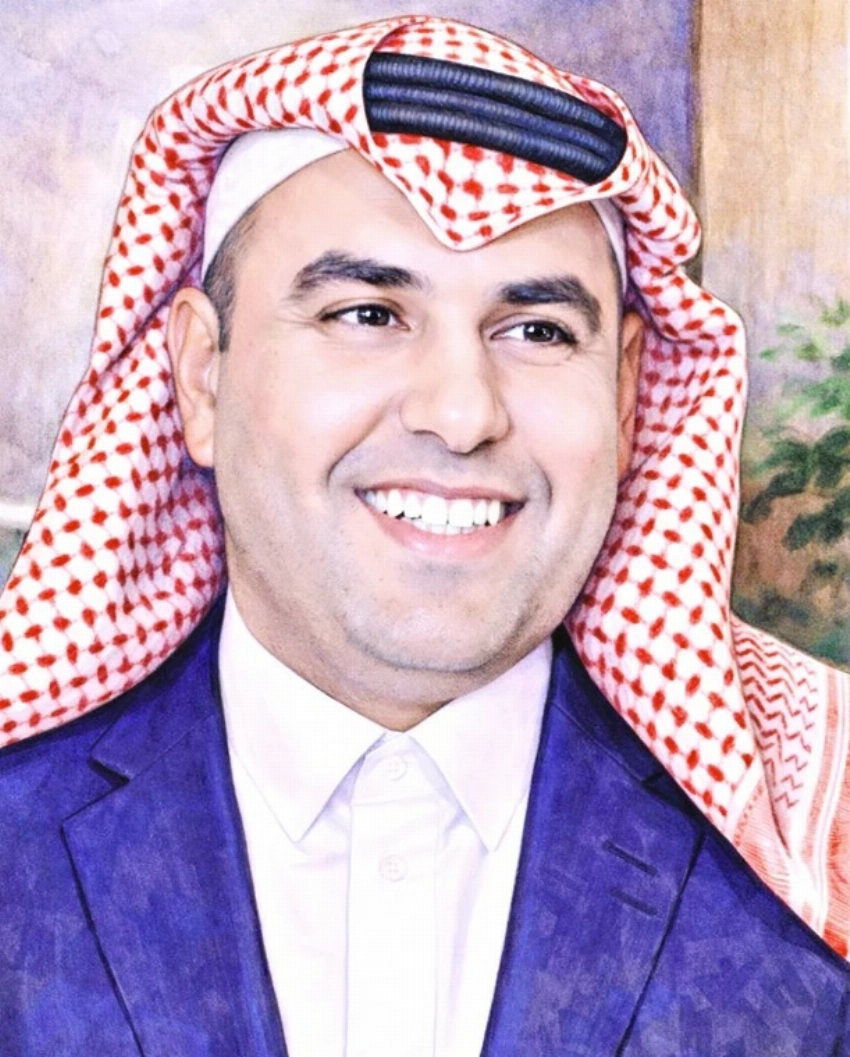
ناصر الصرامي
الحياة.. الزمن.. الوقت 16 شهراً في مواجهة سرطان البنكرياس ليست أرقاماً، هي حياة كاملة قد تُعاش.
كما قال الباحثون في Mayo Clinic: «أكبر عائق أمام إنقاذ الأرواح من سرطان البنكرياس كان عجزنا عن رؤية المرض حين يكون قابلاً للعلاج. هذا الذكاء الاصطناعي يستطيع الآن تحديد بصمة السرطان في بنكرياس يبدو طبيعياً تماماً».
الذكاء الاصطناعي في الطب اليوم لا يستبدل الإنسان، لكنه يمنحه شيئاً لم يملكه من قبل: الوقت.
لكن السؤال يبقى: إذا أعطانا الوقت في الطب، ونجدة الحياة، فهل يصعب أن يُعطينا إياه في كل شيء آخر؟
الفلسفة، الأدب، القانون، الإبداع، وحتى الكتابة..
إلى اللقاء،،
The doctor remains. But everyone working around him gradually diminishes in a frighteningly quiet manner! The superiority of artificial intelligence in medicine and space has been established, so why do we think it won't excel in your field?! Emergency doctors have been surpassed in case triage accuracy: 67% compared to 50-55%. Robots on the International Space Station are now planning their movements 50-60% faster thanks to intelligence.
Pancreatic cancer is one of the most silent and deadly cancers. The survival rate is less than 5%. The main reason: it is discovered late when treatment is nearly impossible.
Researchers at Mayo Clinic developed the REDMOD model, published in the journal Gut in April 2026, which analyzed nearly 2000 CT scan images that were read as completely normal by specialists. The result:
It detected 73% of hidden cancer cases, 16 months before traditional medical diagnosis. In images taken more than two years ago, artificial intelligence discovered three times what specialists found in the same images. Yes, three times, in the same images they deemed "normal."
Remember this fundamental difference!
When we talk about REDMOD and its counterparts, we are not talking about ChatGPT or large language models that answer your daily questions.
These are specialized models trained on millions of medical images and patient data for one specific task, and their accuracy in their field is incomparable to a general model.
The difference is like that between a new general practitioner and a specialized heart surgeon; both are doctors, but the depth of specialization and experience makes the difference.
Very smart models!
REDMOD is not alone; it is the latest in a long line of documented superiority: A South Korean study proved that artificial intelligence achieved 90% accuracy in detecting breast cancer, compared to 78% for specialized doctors. In early detection specifically: 91% for artificial intelligence versus 74% for doctors. Companies like Zebra Medical Vision and Aidoc have deployed systems in hundreds of hospitals worldwide to interpret X-ray, mammogram, and eye exam images with accuracy equal to or exceeding specialists. In drug discovery, companies like Atomwise and BenevolentAI have AI-discovered drugs that have reached phase two clinical trials, being tested on humans and showing promising results. A Harvard study revealed that artificial intelligence surpassed emergency doctors in case triage accuracy: 67% compared to 50-55% for doctors, there in the emergency rooms, where pressure, speed, and decision-making happen in seconds. Medicine in all its specialties, from radiology, diseases, emergencies, and oncology, is transforming before our eyes. Not in distant research labs, but in hospitals operating this way daily... and medicine here is not an exception; it is a confirmation of influence and superiority.
A tool... and a tool that devours!
They say: "Artificial intelligence is just a tool that helps the doctor." True, perhaps partially, but track what this "tool" is actually doing:
REDMOD operates automatically on routine scans without human intervention in analysis, radiology technicians
who manually prepare the images? Their role is diminishing.
Smart models in laboratories analyze blood and tissue samples and issue preliminary reports, so the number of lab technicians is decreasing. Smart monitoring systems track the patient around the clock and alert the staff before deterioration. And managing appointments, records, reports, and billing, all pave the way for automation.
The doctor remains, but everyone working around him gradually diminishes in a frighteningly quiet manner.
The tool does not replace the top; it continuously reduces the base, and when the base disappears, the pyramid stands with the machine.
The space industry is managed by intelligence!
-In December 2025- NASA's Perseverance rover completed its first journey on the surface of Mars entirely planned by artificial intelligence, without human intervention in planning. The mission that human path planners had been performing manually for 28 years was accomplished by the algorithm in minutes. Robots on the International Space Station are now planning their movements 50-60% faster thanks to artificial intelligence. NASA, in collaboration with Google, discovered two exoplanets that human scientists had overlooked in the Kepler mission data. Space does not tolerate mistakes; it is just like medicine. Yet, with it, artificial intelligence advances and excels, so if it succeeds where there is no margin for error, what are the limits? If artificial intelligence surpasses the doctor in the most complex fields, why do we think it won't surpass the philosopher, the judge, and the writer?
We used to think that complexity protects us. REDMOD proved that complexity, sometimes, is the human's weakness, not strength. The human mind cannot process hundreds of variables simultaneously... the machine does that in seconds.
The argument we relied on, "This requires wisdom, experience, and humanity," now needs serious reconsideration. Artificial intelligence possesses all human experiences and training on them, compares a case to millions of similar cases, and presents the decision to the doctor or consultant.
When artificial intelligence excels in medicine and space, which are the most precise and complex fields, the next automatic question will be: Has it reached everything else?
The answer does not require much thought or human intelligence; if it has penetrated the hardest, the easier is within reach. Medicine does not accept hallucination, and space does not accept mistakes, and both have been surpassed by artificial intelligence, so what remains of the difficult?
And models like REDMOD do not just provide a result; they show the doctor a "heat map" highlighting suspicious areas in the image... not opaque intelligence, but transparent intelligence that can be reviewed.
ناصر الصرامي
Life... time... 16 months in the face of pancreatic cancer are not just numbers; they are a full life that could be lived.
As the researchers at Mayo Clinic said: "The biggest barrier to saving lives from pancreatic cancer was our inability to see the disease when it was treatable. This artificial intelligence can now identify the cancer signature in a pancreas that appears completely normal."
Artificial intelligence in medicine today does not replace humans, but it gives them something they have never had before: time.
But the question remains: If it gives us time in medicine, and saves lives, is it difficult for it to give us time in everything else?
Philosophy, literature, law, creativity, and even writing...