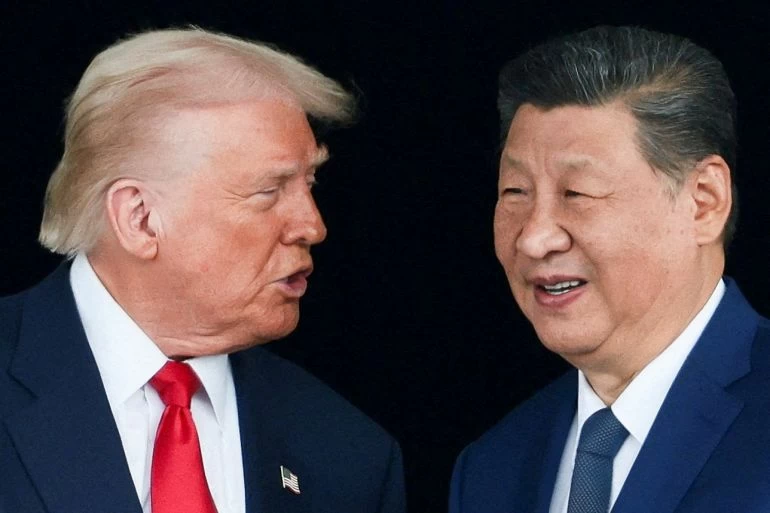
في خطوة تعكس تصاعد التوتر الاقتصادي والسياسي بين بكين وواشنطن، أصدرت الصين توجيهات مباشرة إلى مصافي النفط المحلية المستوردة للخام الإيراني بعدم الالتزام بالعقوبات الأمريكية المفروضة على طهران، وذلك قبيل زيارة وزير الخارجية الإيراني عباس عراقجي إلى العاصمة الصينية.
وفعّلت وزارة التجارة الصينية، لأول مرة منذ إقراره عام 2021، قانوناً يهدف إلى حماية الشركات والمصالح الصينية من القوانين والإجراءات الأجنبية، مؤكدة أن الخطوة تأتي لمواجهة ما وصفته بـ«الولاية القضائية الممتدة» التي تمارسها الولايات المتحدة خارج حدودها، وفق ما نقلته وكالة «رويترز».
واشنطن تضغط على المصافي الصينية
وتواصل وزارة الخزانة الأمريكية تصعيد ضغوطها على مصافي التكرير المستقلة الصغيرة في الصين، بسبب استمرارها في شراء النفط الإيراني رغم العقوبات.
وفرضت واشنطن عقوبات على خمس مصافٍ صينية، كان أحدثها في أواخر أبريل، مستهدفة شركة «هنغلي للبتروكيماويات» التي تُعد من أكبر المشترين للخام الإيراني، بعدما اشترت نفطاً بمليارات الدولارات خلال الفترة الماضية.
بيسنت: النفط الإيراني «دعم للإرهاب»
وفي تصعيد جديد، اعتبر وزير الخزانة الأمريكي سكوت بيسنت أن استمرار الصين في شراء النفط الإيراني يمثل «دعماً للإرهاب»، داعياً بكين إلى لعب دور دبلوماسي أكبر للمساعدة في إعادة فتح مضيق هرمز.
وأشار بيسنت إلى أن المضيق، الذي يُعد أحد أهم شرايين الطاقة العالمية لنقل النفط والغاز، لا يزال متأثراً بتداعيات الحرب، ما تسبب في اضطرابات واسعة بأسواق الطاقة العالمية.
لقاء صيني ـ إيراني قبل قمة ترامب وشي
والتقى وزير الخارجية الإيراني عباس عراقجي نظيره الصيني وانغ يي في بكين، في أول اجتماع رفيع المستوى بين البلدين منذ اندلاع الحرب الأخيرة مع إيران.
وتأتي زيارة عراقجي في توقيت حساس، قبل أسبوع واحد فقط من القمة المرتقبة بين الرئيس الأمريكي دونالد ترمب والرئيس الصيني شى جين بينج في بكين، وسط ترقب دولي لمستقبل المواجهة الاقتصادية والسياسية بين أكبر قوتين في العالم، وانعكاساتها على أسواق الطاقة والملف الإيراني.
In a move that reflects the escalating economic and political tensions between Beijing and Washington, China has issued direct instructions to local oil refineries importing Iranian crude not to comply with the U.S. sanctions imposed on Tehran, just ahead of Iranian Foreign Minister Abbas Araghchi's visit to the Chinese capital.
The Chinese Ministry of Commerce has activated, for the first time since its enactment in 2021, a law aimed at protecting Chinese companies and interests from foreign laws and regulations, emphasizing that this step is taken to confront what it described as the "extended jurisdiction" exercised by the United States beyond its borders, according to Reuters.
Washington Pressures Chinese Refineries
The U.S. Treasury Department continues to escalate its pressure on small independent refineries in China due to their ongoing purchases of Iranian oil despite the sanctions.
Washington has imposed sanctions on five Chinese refineries, the latest being in late April, targeting the "Hengli Petrochemical" company, which is one of the largest buyers of Iranian crude, after it purchased oil worth billions of dollars in recent times.
Biscent: Iranian Oil is "Support for Terrorism"
In a new escalation, U.S. Treasury Secretary Scott Biscent stated that China's continued purchase of Iranian oil represents "support for terrorism," urging Beijing to play a larger diplomatic role to help reopen the Strait of Hormuz.
Biscent pointed out that the strait, which is considered one of the most important arteries for global energy transportation of oil and gas, is still affected by the repercussions of the war, causing widespread disruptions in global energy markets.
Chinese-Iranian Meeting Before Trump-Xi Summit
Iranian Foreign Minister Abbas Araghchi met with his Chinese counterpart Wang Yi in Beijing, in the first high-level meeting between the two countries since the outbreak of the recent war with Iran.
Araghchi's visit comes at a sensitive time, just one week before the anticipated summit between U.S. President Donald Trump and Chinese President Xi Jinping in Beijing, amid international anticipation regarding the future of the economic and political confrontation between the two largest powers in the world, and its implications for energy markets and the Iranian file.