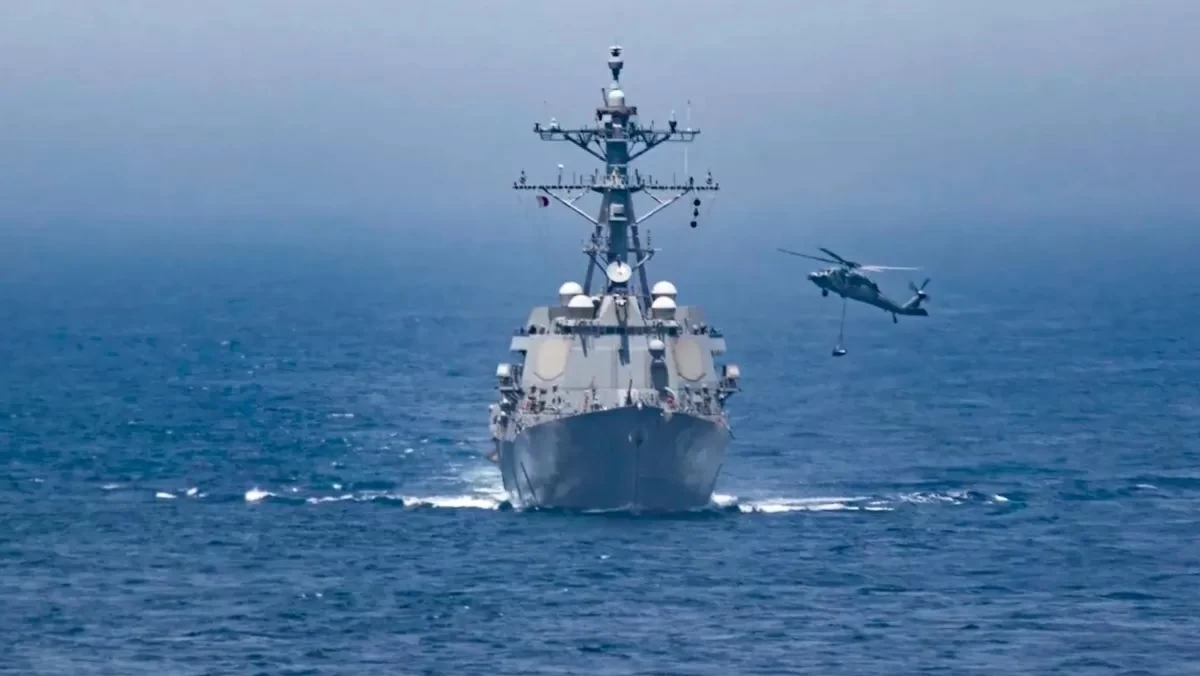
على الرغم من التفاؤل الذي رافق الإعلان الأمريكي عن تعليق «مشروع الحرية» لإعادة الملاحة إلى مضيق هرمز، عبر التلويح بالقوة العسكرية، باعتبار أنه يفتح مسار التفاوض مجددا خصوصا في ظل تأكيد الرئيس دونالد ترمب عن حدوث تقدم كبير في المفاوضات، فإن الغموض لا يزال يكتنف العملية برمتها، رغم أنها يمكن أن تؤشر إلى قرب التوصل إلى اتفاق.
جهود دبلوماسية لم تؤت ثمارها
وفيما أعربت الصين عن استعدادها للمساهمة في إطلاق مفاوضات سلام بين طهران وواشنطن، لم تؤتِ الجهود الدبلوماسية لإنهاء النزاع ثمارها حتى الآن، ولم يعقد المسؤولون الأمريكيون والإيرانيون سوى جولة واحدة من محادثات السلام المباشرة، وباءت محاولات لعقد اجتماعات أخرى بالفشل.
وفي هذا السياق، أفاد وزير خارجية إيران عباس عراقجي، اليوم (الأربعاء)، بأن بلاده لن تقبل سوى «باتفاق عادل وشامل» في مفاوضاتها مع الولايات المتحدة بشأن إنهاء الحرب. ونقلت وسائل إعلام إيرانية عن عراقجي قوله بعد اجتماع مع نظيره الخارجية الصيني وانغ يي في بكين: سنبذل قصارى جهدنا لحماية حقوقنا ومصالحنا المشروعة في المفاوضات.
الصين تعرض الوساطة
من جهته، أعلن وزير الخارجية الصيني استعداد بلاده للمساهمة في إطلاق عملية مفاوضات سلام بين إيران والولايات المتحدة، حسبما ذكر تلفزيون الصين المركزي.
وقال إن الصين مستعدة للمساعدة في إطلاق ودفع عملية مفاوضات السلام بين إيران والولايات المتحدة، ولعب دور أكبر في استعادة السلام والاستقرار في الشرق الأوسط. ولم يتطرق عراقجي بشكل مباشر إلى عرض ترمب بوقف مؤقت للعمليات لمرافقة السفن عبر مضيق هرمز.
واشنطن تتمسك باستمرار الحصار
وكتب ترمب على وسائل التواصل الاجتماعي «اتفقنا بشكل متبادل على أنه، في حين سيظل الحصار سارياً ونافذاً بالكامل، سيتم تعليق مشروع الحرية.. لفترة قصيرة من الوقت لمعرفة ما إذا كان يمكن إتمام الاتفاق وتوقيعه أم لا».
ولفت في منشور على «تروث سوشيال» إلى: «تقدم عظيم أحرز صوب إبرام اتفاق كامل ونهائي مع ممثلي إيران».
وقال وزير الخارجية ماركو روبيو ومسؤولون كبار آخرون في الإدارة الأمريكية أمس (الثلاثاء) إنه لا يمكن السماح لإيران بالسيطرة على حركة المرور عبر المضيق.
Despite the optimism that accompanied the American announcement to suspend the "Freedom Project" for restoring navigation in the Strait of Hormuz, by hinting at military force, considering that it opens the path for negotiations again, especially in light of President Donald Trump's confirmation of significant progress in the negotiations, ambiguity still surrounds the entire process, even though it may indicate a near agreement.
Diplomatic efforts have not borne fruit
While China expressed its readiness to contribute to launching peace negotiations between Tehran and Washington, diplomatic efforts to end the conflict have not yet yielded results, and American and Iranian officials have only held one round of direct peace talks, with attempts to hold other meetings failing.
In this context, Iranian Foreign Minister Abbas Araghchi stated today (Wednesday) that his country will only accept a "fair and comprehensive agreement" in its negotiations with the United States regarding ending the war. Iranian media quoted Araghchi as saying after a meeting with his Chinese counterpart Wang Yi in Beijing: We will do our utmost to protect our legitimate rights and interests in the negotiations.
China offers mediation
For his part, the Chinese Foreign Minister announced his country's readiness to contribute to launching a peace negotiation process between Iran and the United States, as reported by China Central Television.
He stated that China is prepared to assist in initiating and advancing the peace negotiation process between Iran and the United States, and to play a larger role in restoring peace and stability in the Middle East. Araghchi did not directly address Trump's offer for a temporary halt to operations to escort ships through the Strait of Hormuz.
Washington insists on continuing the blockade
Trump wrote on social media, "We mutually agreed that while the blockade will remain fully in effect, the Freedom Project will be suspended... for a short period of time to see if an agreement can be completed and signed or not."
He noted in a post on "Truth Social": "Great progress has been made towards reaching a comprehensive and final agreement with Iranian representatives."
Secretary of State Marco Rubio and other senior officials in the U.S. administration stated yesterday (Tuesday) that Iran cannot be allowed to control traffic through the strait.