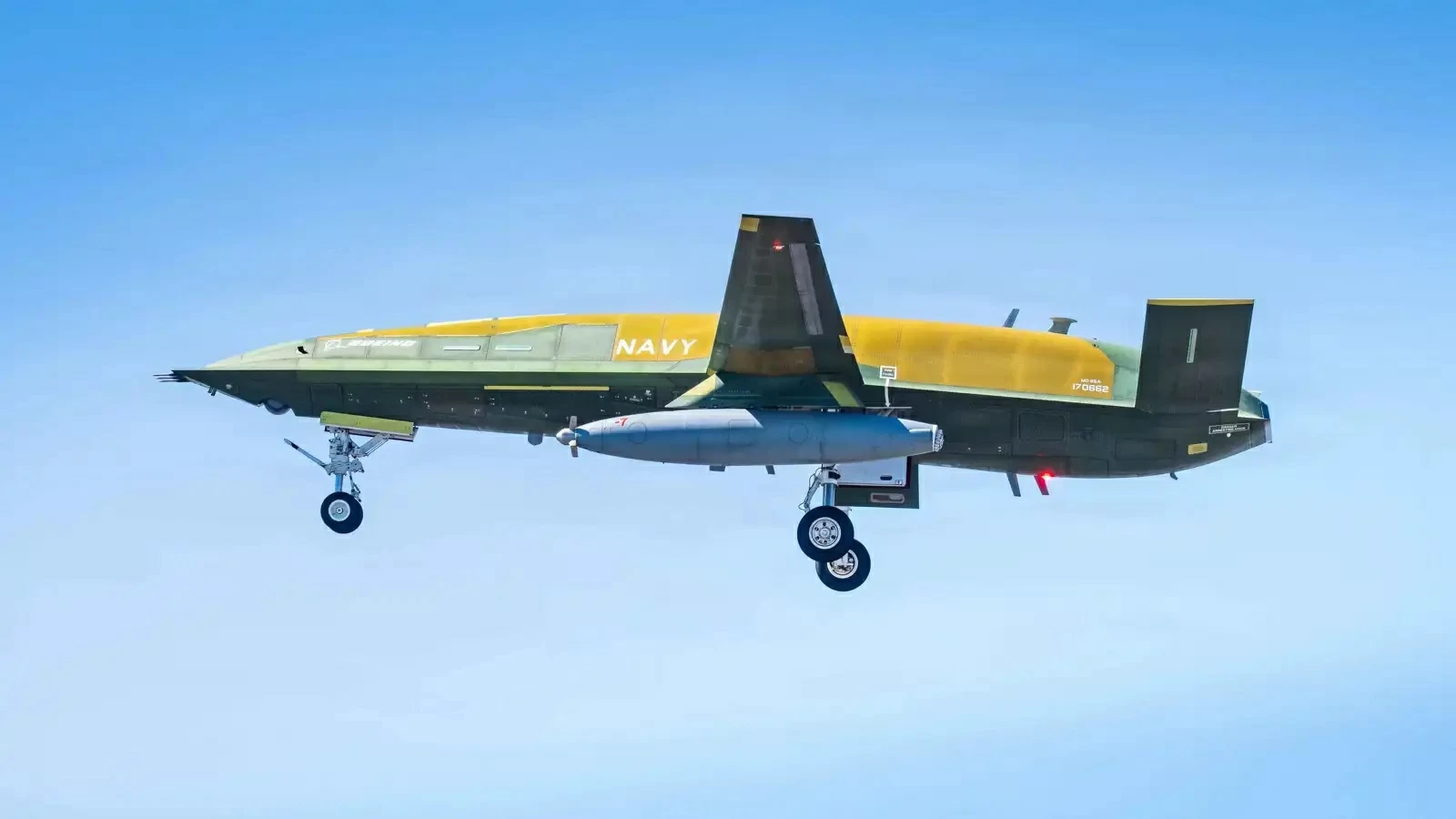
أعلنت البحرية الأمريكية، أمس (الإثنين)، نجاح أول اختبار لطائرتها المسيّرة المخصصة للتزود بالوقود جواً، في رحلة استمرت قرابة ساعتين.
وبينت البحرية الأمريكية عبر موقعها الرسمي أن الطائرة MQ-25A Stingray التابعة لها أكملت أول رحلة تجريبية بنجاح انطلاقاً من منشأة شركة بوينغ في مطار ميد أمريكا بمدينة ماسكوتا بولاية إلينوي، في 25 أبريل، في خطوة تُعد مهمة ضمن تطوير عمليات الطائرات غير المأهولة على متن حاملات الطائرات.
وأوضحت أن الرحلة استمرت نحو ساعتين، وخلالها تولى طيارون من البحرية الأمريكية وشركة بوينغ إدارة الطائرة من محطة التحكم الأرضية، وتم تنفيذ مجموعة من المناورات والاختبارات التي أثبتت كفاءة أنظمة التحكم الأساسية، وأداء المحرك، وقدرات المناورة.
من جانبه، قال المسؤول عن برنامج الطائرات غير المأهولة والأسلحة الهجومية الأدميرال توني روسي إن نجاح هذه الرحلة الأولى يعكس متانة الشراكة بين البحرية وشركائها في القطاع الصناعي.
وأضاف أن طائرة MQ-25A تمثل خطوة تأسيسية نحو دمج عمليات التزود بالوقود الجوي غير المأهول على حاملات الطائرات، بما يتيح للمقاتلات المأهولة تنفيذ مهماتها بمدى أطول وكفاءة أعلى، مؤكداً أن هذه القدرة تُعد عنصراً مهماً في مستقبل الطيران البحري.
وتُعد MQ-25A Stingray أول نظام طائرات غير مأهولة يعمل على متن حاملات الطائرات في البحرية الأمريكية، وقد صُممت بشكل أساسي لأداء مهمات التزود بالوقود جواً.
وبحسب البحرية الأمريكية، فإن إسناد مهمة التزود بالوقود لهذه الطائرات سيسهم في توسيع مدى العمليات القتالية ورفع قدرات الضربات الجوية ضمن أسطول الجناح الجوي لحاملات الطائرات.
The U.S. Navy announced yesterday (Monday) the successful completion of the first test of its drone designed for aerial refueling, in a flight that lasted nearly two hours.
The U.S. Navy indicated on its official website that its MQ-25A Stingray successfully completed its first test flight from Boeing's facility at MidAmerica Airport in Mascoutah, Illinois, on April 25, marking an important step in the development of unmanned aircraft operations on aircraft carriers.
It explained that the flight lasted about two hours, during which U.S. Navy and Boeing pilots managed the aircraft from the ground control station, performing a series of maneuvers and tests that demonstrated the efficiency of the core control systems, engine performance, and maneuverability capabilities.
For his part, Admiral Tony Rossi, who is responsible for the unmanned aircraft and strike weapons program, stated that the success of this first flight reflects the strength of the partnership between the Navy and its industrial partners.
He added that the MQ-25A represents a foundational step towards integrating unmanned aerial refueling operations on aircraft carriers, allowing manned fighters to execute their missions with greater range and efficiency, emphasizing that this capability is an important element in the future of naval aviation.
The MQ-25A Stingray is the first unmanned aircraft system to operate from U.S. Navy aircraft carriers, and it is primarily designed to perform aerial refueling missions.
According to the U.S. Navy, assigning the aerial refueling mission to these aircraft will contribute to expanding the range of combat operations and enhancing the air strike capabilities within the air wing of aircraft carriers.