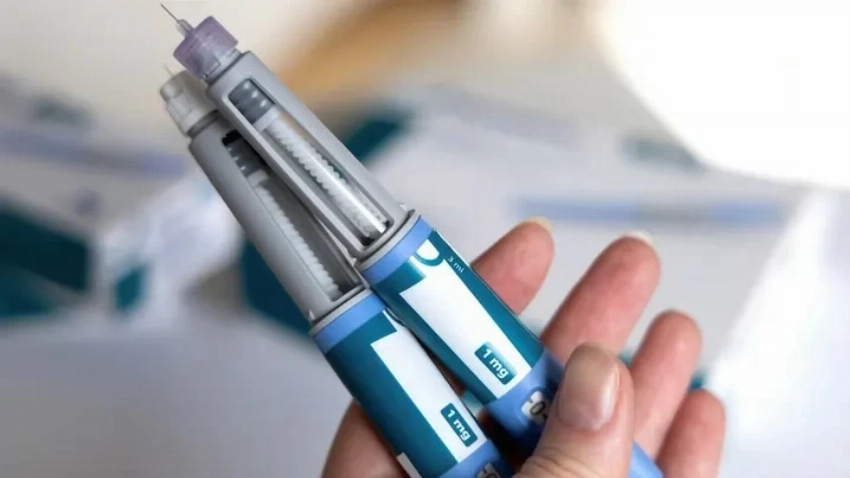
شهدت أدوية إنقاص الوزن «GLP-1» قفزة هائلة في الانتشار خلال السنوات الأخيرة، بعدما بدأت كعلاج لمرض السكري قبل أن تتحول إلى خيار شائع لفقدان الوزن.
وتشير أبحاث متزايدة إلى أن فوائد هذه الأدوية قد تتجاوز خسارة الوزن، مع أدلة قوية على دورها في تحسين صحة القلب والكلى، ومع ذلك، يحذر خبراء من أن استخدامها بشكل غير صحيح قد يقلل من فعاليتها أو يؤدي إلى مشكلات صحية جديدة.
وبحسب شبكة فوكس نيوز، أكدت المتخصصة في الطب الوظيفي وعلاج السمنة الدكتورة مينا تي مالهوترا أنها لاحظت تحسناً ملحوظاً لدى مرضى السكري الذين استخدموا هذه الأدوية، بما في ذلك تحسن في وظائف الدماغ والذاكرة والدورة الدموية، إلى جانب الكبد والكلى، ما يشير إلى أن تأثيرها يتجاوز مجرد التحكم في السكر أو الوزن.
لكنها حذرت من أخطاء شائعة قد يقع فيها المستخدمون:
البدء بالأدوية قبل تعديل نمط الحياة
تشدد مالهوترا على ضرورة تبني نمط حياة صحي أولاً، مثل تحسين النظام الغذائي وزيادة تناول البروتين والألياف، فهذه التغييرات البسيطة قد تؤدي إلى فقدان وزن مبكر وتحسين حساسية الإنسولين، كما تساعد لاحقاً على تقليل الجرعات والآثار الجانبية.
تناول الأدوية دون إشراف طبي
حذرت الطبيبة من تزايد الحصول على هذه الأدوية عبر الإنترنت دون تقييم طبي شامل، وأكدت أهمية إجراء فحوصات دقيقة قبل بدء العلاج، للكشف عن أي مشكلات كامنة مثل اضطرابات الغدة الدرقية أو أمراض القلب.
نقص البروتين في النظام الغذائي
من الأخطاء الشائعة تقليل السعرات الحرارية دون تعويض ذلك بتناول كميات كافية من البروتين، مما يؤدي إلى فقدان الكتلة العضلية بدلاً من الدهون، ويوصي الخبراء بتناول نحو 0.5 إلى 0.8 غرام من البروتين لكل رطل من وزن الجسم يومياً، مع زيادة الكمية لدى الأشخاص النشطين.
زيادة الجرعات بسرعة
يلجأ بعض المستخدمين إلى رفع الجرعات بسرعة للحصول على نتائج أسرع، وهو ما قد يؤدي إلى مضاعفات مثل التهاب البنكرياس، وتؤكد مالهوترا أن زيادة الجرعة يجب أن تتم تدريجياً وبفاصل زمني لا يقل عن شهر.
سوء التعامل مع الآثار الجانبية
تشمل الآثار الجانبية المحتملة الغثيان والإمساك، ويمكن الحد منها عبر تناول وجبات صغيرة ومتكررة، وتقليل الدهون، وزيادة السوائل، كما قد تساعد بعض الحلول البسيطة مثل الزنجبيل أو الأطعمة الغنية بالألياف في تحسين الأعراض.
وتختتم مالهوترا بالتأكيد على أن النجاح في استخدام هذه الأدوية يعتمد على التوازن، وليس البحث عن نتائج سريعة، مشيرة إلى أن التحسن الحقيقي يتطلب وقتاً والتزاماً بنمط حياة صحي متكامل.
Weight loss medications "GLP-1" have seen a massive surge in popularity in recent years, having started as a treatment for diabetes before becoming a common option for weight loss.
Increasing research suggests that the benefits of these medications may extend beyond weight loss, with strong evidence of their role in improving heart and kidney health. However, experts warn that improper use may reduce their effectiveness or lead to new health issues.
According to Fox News, Dr. Mina T. Malhotra, a specialist in functional medicine and obesity treatment, has observed significant improvements in diabetic patients who used these medications, including enhancements in brain function, memory, and circulation, as well as liver and kidney health, indicating that their impact goes beyond merely controlling sugar or weight.
However, she warned of common mistakes that users may make:
Starting medications before lifestyle changes
Malhotra emphasizes the necessity of adopting a healthy lifestyle first, such as improving diet and increasing protein and fiber intake. These simple changes can lead to early weight loss and improved insulin sensitivity, which can later help reduce dosages and side effects.
Taking medications without medical supervision
The doctor warned against the increasing acquisition of these medications online without a comprehensive medical evaluation, stressing the importance of conducting thorough tests before starting treatment to uncover any underlying issues such as thyroid disorders or heart diseases.
Protein deficiency in the diet
A common mistake is reducing calorie intake without compensating by consuming adequate amounts of protein, which can lead to loss of muscle mass instead of fat. Experts recommend consuming about 0.5 to 0.8 grams of protein per pound of body weight daily, with an increase for active individuals.
Increasing dosages too quickly
Some users resort to rapidly increasing dosages to achieve faster results, which can lead to complications such as pancreatitis. Malhotra confirms that dosage increases should be gradual and spaced at least a month apart.
Poor management of side effects
Potential side effects include nausea and constipation, which can be minimized by consuming small, frequent meals, reducing fats, and increasing fluids. Simple solutions like ginger or fiber-rich foods may also help improve symptoms.
Malhotra concludes by emphasizing that success in using these medications depends on balance, not on seeking quick results, noting that real improvement requires time and commitment to a comprehensive healthy lifestyle.