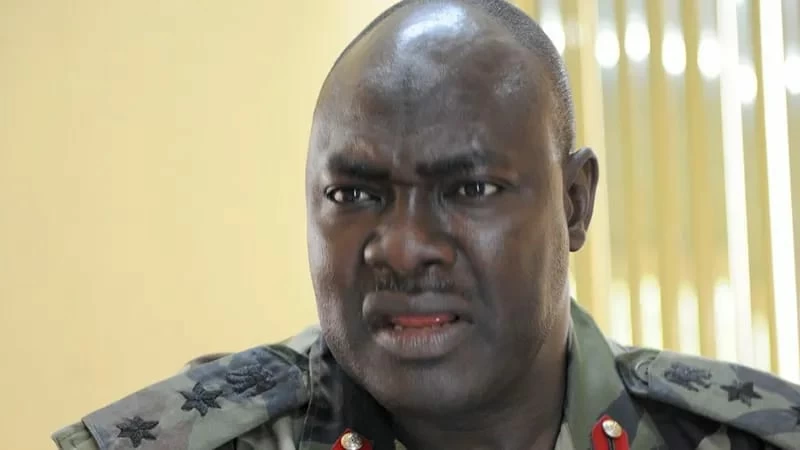
توفي اللواء النيجيري المتقاعد رابي أبو بكر أثناء احتجازه لدى خاطفيه بعد أسابيع من اختطافه مع زوجته في ولاية كاتسينا شمال غربي نيجيريا، في حادثة جديدة تعكس حجم التحديات الأمنية التي تواجهها البلاد مع تصاعد عمليات الخطف والعنف المسلح.
وكان أبو بكر، المتحدث السابق باسم الجيش النيجيري بين 2015 و2017، قد اختُطف في 30 مايو الماضي برفقة زوجته وسائقه أثناء توجههم إلى مناسبة عائلية، بعدما اعترض مسلحون مركبتهم واقتادوهم إلى جهة مجهولة.
فيديو من الأسر
وقبل الإعلان عن وفاته بأيام، تداولت منصات التواصل الاجتماعي مقطع فيديو ظهر فيه الجنرال المتقاعد مصاباً في ساقه اليسرى إلى جانب زوجته وعدد من الرهائن، في مشهد أثار تعاطفاً واسعاً وقلقاً بشأن مصيره.
ولم تعلن أي جهة مسؤوليتها عن عملية الاختطاف، إلا أن شمال غربي نيجيريا يشهد نشاطاً متزايداً لعصابات تُعرف محلياً بـ«قطاع الطرق»، وهي جماعات تنفذ عمليات خطف مقابل الفدية، إضافة إلى هجمات مسلحة وسرقات تستهدف القرى والمجتمعات الريفية.
جهود إنقاذ
وأوضح الجيش النيجيري أنه تجنب الإدلاء بتفاصيل علنية حول القضية خلال الفترة الماضية حفاظاً على سير عمليات الإنقاذ، مؤكداً تسخير مختلف الإمكانات والموارد العملياتية لضمان تحرير اللواء المتقاعد وعودته سالماً.
ورغم إعلان وفاة أبو بكر، لا يزال مصير زوجته مجهولاً، فيما أكدت السلطات الأمنية تكثيف عمليات الملاحقة لتعقب المتورطين في الجريمة وتفكيك الشبكات الإجرامية والجماعات المسلحة التي تنشط في المنطقة.
خسارة مأساوية
ونعى الجيش النيجيري اللواء الراحل، الذي أفادت تقارير محلية بأنه توفي عن عمر ناهز 61 عاماً، واصفاً رحيله بأنه «خسارة مأساوية» للقوات المسلحة.
وأشار بيان الجيش إلى أن أبو بكر لعب أدواراً بارزة في جهود مكافحة التمرد والجماعات المسلحة، مؤكداً أن مسيرته المهنية والتزامه بخدمة الوطن سيبقيان نموذجاً يحتذى به داخل المؤسسة العسكرية.
وتُعد ولاية كاتسينا من أكثر المناطق تضرراً من أعمال الخطف والعنف في نيجيريا خلال السنوات الأخيرة، وسط استمرار نشاط الجماعات المسلحة والعصابات الإجرامية في أجزاء واسعة من شمال غربي البلاد.
Retired Nigerian General Rabi Abu Bakr died while in captivity with his kidnappers after weeks of being abducted along with his wife in Katsina State, northwestern Nigeria, in a new incident that reflects the scale of the security challenges facing the country amid rising kidnapping and armed violence.
Abu Bakr, who served as the spokesperson for the Nigerian army from 2015 to 2017, was kidnapped on May 30 along with his wife and driver while heading to a family event, after armed men intercepted their vehicle and took them to an unknown location.
Video from captivity
Days before the announcement of his death, social media platforms circulated a video showing the retired general injured in his left leg alongside his wife and several hostages, in a scene that sparked widespread sympathy and concern for his fate.
No group has claimed responsibility for the kidnapping, but northwestern Nigeria has seen increasing activity from gangs locally known as "bandits," which are groups that carry out kidnappings for ransom, in addition to armed attacks and thefts targeting villages and rural communities.
Rescue efforts
The Nigerian army stated that it had avoided making public details about the case in recent times to preserve the integrity of the rescue operations, confirming that various operational capabilities and resources were being mobilized to ensure the retired general's release and safe return.
Despite the announcement of Abu Bakr's death, his wife's fate remains unknown, while security authorities have confirmed the intensification of pursuit operations to track down those involved in the crime and dismantle the criminal networks and armed groups active in the region.
Tragic loss
The Nigerian army mourned the late general, who local reports indicated died at the age of 61, describing his passing as a "tragic loss" for the armed forces.
The army's statement noted that Abu Bakr played prominent roles in counter-insurgency efforts and against armed groups, emphasizing that his professional career and commitment to serving the nation would remain a model to be emulated within the military institution.
Katsina State is considered one of the most affected areas by kidnapping and violence in Nigeria in recent years, amid the ongoing activity of armed groups and criminal gangs in large parts of northwestern Nigeria.